



Why Medical Accuracy Matters in Fiction
Updated: Sep 16
Table of Contents
How Medical Accuracy Builds Reader Credibility
Common Medical Mistakes in Novels That Break Immersion
Medical Research Tips for Authors Writing Clinical Fiction
Building a Research Methodology
Fact-Checking Against Current Protocols
Hiring a Medical Consultant for Writers
Balancing Clinical Detail With Narrative Flow
Medical Ethics vs. Dramatic License in Storytelling
Why Readers of Medical Thrillers Demand Authenticity
Conclusion
Last Updated: August 19, 2026
How Medical Accuracy Builds Reader Credibility
Medical accuracy in fiction isn't a luxury for pedantic readers, it's the foundation of reader trust. When a character's symptoms align with actual pathophysiology, when treatment timelines match clinical reality, when hospital protocols reflect genuine ICU dynamics, readers feel the difference immediately. They may not consciously recognize it, but their immersion deepens. The narrative tension becomes believable because the world feels real.
This is where many thrillers stumble. A reader who works in healthcare or has survived a medical crisis can spot a fabricated heart attack symptom in seconds. Once that credibility fractures, the suspension of disbelief collapses. The plot twist that should devastate them instead triggers skepticism. They're no longer inside the story, they're outside it, fact-checking.
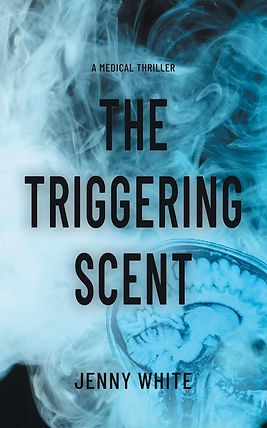
Jenny White understands this intimately. As a retired registered nurse and brain tumor survivor, she brings authentic clinical knowledge to her medical thrillers. Her debut novel, The Triggering Scent, demonstrates how why medical accuracy matters in fiction becomes the invisible architecture holding readers in suspense. When Abbey Roberts navigates ICU protocols and ethical dilemmas with genuine procedural realism, readers trust the stakes are real.
The credibility advantage extends beyond healthcare professionals. General readers recognize authenticity even when they can't name what they're sensing. A thriller that respects medical reality feels grounded. One that invents convenient symptoms or skips critical diagnostic protocols feels like a shortcut. Over the course of 300 pages, those shortcuts accumulate into doubt.

Common Medical Mistakes in Novels That Break Immersion
The most frequent error in medical fiction is compression of time. A character arrives at the emergency department with chest pain and receives a diagnosis within minutes. In reality, diagnostic protocols require bloodwork, imaging, specialist consultation, and ruling out competing conditions. This takes hours, sometimes days. Readers familiar with healthcare recognize the gap immediately.
Another persistent mistake is symptom invention. Authors create dramatic medical presentations that don't align with actual disease manifestation. A stroke victim suddenly regaining full function by the next scene, a cancer patient experiencing no side effects from chemotherapy, a septic patient remaining lucid and articulate, these break clinical authenticity. Pathophysiology doesn't bend for narrative convenience.
Medication errors plague many thrillers. Characters receive injections that work instantly, take pills with effects that appear within minutes, or experience side effects that contradict documented pharmacology. The dosing is often arbitrary. Real medications have specific absorption rates, half-lives, contraindications, and interactions. When authors ignore these details, readers who take medications notice.
Hospital dynamics frequently feel theatrical rather than authentic. Trauma responses in real ICUs are methodical and controlled, not the chaotic Hollywood version. Code blues follow strict protocols. Nurses document obsessively. Physicians consult specialists rather than making solo decisions. Visiting hours are restricted. These procedural realities might seem boring on the surface, but they're what make clinical chaos feel genuine when it occurs.
The sensitivity of trauma portrayal deserves its own category. Cancer survivors reading about cancer, trauma survivors reading about trauma, require that narrative respect. Trauma porn, graphic suffering without earned emotional context, alienates readers seeking resilience narratives. Authentic storytelling acknowledges suffering without exploiting it. It shows recovery as complex and non-linear, not miraculous or swift.
Medical Research Tips for Authors Writing Clinical Fiction
Writing authentic medical fiction requires systematic research methodology. Begin by identifying the specific medical conditions, procedures, and settings your narrative requires. Don't research generically. A book about ICU nursing demands different knowledge than one centered on surgical oncology. Narrow your scope and research deeply rather than broadly.
Building a Research Methodology
Start with peer-reviewed medical literature. PubMed and Google Scholar provide free access to abstracts and many full-text articles. Medical textbooks, particularly nursing and clinical pharmacology texts, offer comprehensive, reliable information. These sources prioritize accuracy over narrative appeal, which is exactly what you need. Read case studies and clinical guidelines relevant to your story's conditions.
Consult clinical reference databases. UpToDate, while subscription-based, is the standard practitioners use. Many libraries offer institutional access. These databases present current protocols, diagnostic criteria, and treatment approaches exactly as clinicians encounter them. The information is current, evidence-based, and organized for practical application.
Interview healthcare professionals directly. This is where many authors hesitate, but practitioners generally welcome the opportunity to inform fiction. Approach nurses, physicians, respiratory therapists, or pharmacists with specific questions. "How long does it actually take to intubate a patient?" beats vague inquiries. Specific questions yield specific, usable answers.
Document everything. Create a research file with source citations. Note the year of publication, medical knowledge evolves. A 2015 protocol may have changed by 2026. Distinguish between what's universally true and what's institution-specific. Some hospitals use certain medications or procedures; others don't. This variation is realistic.
Pro Tip When interviewing healthcare professionals, bring your manuscript pages. Ask them to read the relevant scene and identify inaccuracies. Real practitioners can spot what feels wrong faster than any research database can confirm what's right.
Fact-Checking Against Current Protocols
After drafting scenes involving medical content, verify each clinical detail against current sources. Medication names, dosages, administration routes, onset times, and side effects must match contemporary pharmacology. Diagnostic procedures should reflect current standards, not outdated approaches. Treatment timelines should align with actual clinical practice.
Create a fact-checking checklist for your medical scenes: Is the diagnosis process realistic? Do the symptoms match the condition? Is the medication appropriate for this patient's age, weight, and comorbidities? Would a real physician order this test? Is the timeline plausible? Would this procedure happen in this setting?
Hiring a Medical Consultant for Writers
A medical consultant reviews your manuscript for clinical accuracy before publication. This isn't the same as a sensitivity reader, though the roles sometimes overlap. A medical consultant verifies that your portrayal of procedures, medications, diagnoses, and clinical settings aligns with actual practice. writing fiction with technology.
Finding the right consultant matters. Ideally, they have clinical experience in the medical specialty your novel addresses. A consultant with ICU nursing background serves an ICU-centered thriller better than a general practitioner. They understand the specific culture, language, protocols, and ethical dilemmas of that environment.
Consultants typically charge per hour or per project. They review manuscript sections, flag inaccuracies, suggest corrections, and answer specific questions. Some consultants also serve as sensitivity readers if they have lived experience with the conditions portrayed. The investment varies, but most authors find it worthwhile insurance against credibility-breaking errors.

When hiring a consultant, ask for references, clarify their expertise, and discuss timeline and scope upfront. Provide them with a sample chapter to assess whether they understand your narrative voice and the balance you're seeking between accuracy and storytelling.
Watch Out Hiring a consultant doesn't guarantee every reader will accept every medical choice. Some inaccuracies may be intentional, part of your narrative license. Make sure your consultant understands which details are non-negotiable for accuracy and which are flexible for plot purposes.
Balancing Clinical Detail With Narrative Flow
The central tension in medical fiction is this: readers want authenticity, but they don't want a textbook. Excessive medical jargon halts narrative momentum. Lengthy explanations of diagnostic procedures bore readers. Yet omitting clinical detail sacrifices credibility.
The solution is selective realism. Include the medical details that matter to your story. If your plot hinges on a delayed diagnosis, show the diagnostic reasoning process. If medication side effects drive character development, describe them accurately. If hospital protocols create tension, portray them faithfully. Skip the details that don't serve narrative purpose.
Use medical terminology naturally, as characters would use it. Nurses and physicians speak differently about medical topics than patients do. A character explaining their condition to a family member uses different language than two clinicians discussing the same condition. This variation feels authentic and allows you to control jargon density.
Balance exposition with action. Rather than explaining how a procedure works, show a character performing it while thinking about its implications. A nurse drawing blood while mentally reviewing lab results teaches readers about the procedure without stopping the narrative. The clinical detail becomes part of character development.
Readers of medical thrillers expect technical authenticity, but they're reading for suspense and emotional resonance, not education. The medical accuracy should feel invisible, present enough that it doesn't break immersion, subtle enough that it doesn't overwhelm plot.
Medical Ethics vs. Dramatic License in Storytelling
Medical ethics and narrative drama sometimes conflict. A physician's actual ethical obligation might be to disclose information to a patient. Dramatically, that disclosure ruins your plot twist. A hospital's real protocol might prevent the scenario you've imagined. Authentically, your characters should follow that protocol.
These conflicts require conscious choices. You can't have both perfect accuracy and your specific plot. You must decide which matters more for your story. Some authors prioritize narrative tension and acknowledge departures from reality. Others commit to accuracy and adjust their plot accordingly.
The key is intentionality. If you're deviating from medical ethics or clinical protocol, do so knowingly. Understand what the real practice is, then decide whether your story justifies the departure. A reader who recognizes the deviation will accept it if it serves genuine narrative purpose. They'll resent it if it feels like lazy writing.
Jenny White's approach in The Triggering Scent exemplifies this balance. Her background as a registered nurse means she understands which ethical dilemmas are authentic to healthcare settings. She can portray genuine ethical complexity, situations where the right choice isn't obvious, because she's lived that professional reality. That authenticity resonates with healthcare professionals and survivors alike.
Consider your reader. If your audience includes people with lived experience in the medical field or condition you're portraying, departures from accuracy become more visible and more consequential. Readers seeking resilience narratives need respectful, accurate portrayal of trauma and recovery. Readers of medical thrillers crave procedural realism that makes the suspense believable.
Why Readers of Medical Thrillers Demand Authenticity
Medical thriller readers are often self-selected for medical knowledge. Healthcare professionals, patients, survivors, and caregivers gravitate toward stories that reflect their lived experience. They read to see their world represented authentically. They read to find characters who understand what they understand.
This audience has a heightened sensitivity to inaccuracy. They spot the mistakes instantly. A single wrong detail can trigger skepticism about everything else in the narrative. The trust fractures. The suspension of disbelief, once broken, is difficult to repair.
Beyond professional readers, general audiences increasingly expect medical accuracy. Medical knowledge is more accessible than ever. Readers research conditions online, watch medical documentaries, follow healthcare professionals on social media. The baseline expectation for authenticity has risen across the board.
Medical thrillers also carry emotional weight that other genres sometimes don't. Readers engaging with stories about cancer, trauma, brain injury, or ICU care often have personal stakes. They're reading about something that happened to them or someone they love. That personal connection makes accuracy feel like respect. Inaccuracy feels like dismissal of their experience.
The commercial case for accuracy is equally compelling. Medical thrillers that earn devoted readerships, that generate word-of-mouth recommendations and sustained sales, tend to be ones where readers trust the medical details. Healthcare professionals recommend books to colleagues and patients when the portrayal feels real. Survivors recommend books to support groups when the emotional and clinical journey feels earned.
Medical accuracy in fiction isn't about satisfying pedantic readers or passing a fact-check. It's about building a world readers believe in deeply enough that they stay inside it for 300 pages. It's about earning the trust that makes suspense land harder and emotional moments resonate longer.
For authors writing medical thrillers, the investment in research, consultation, and verification pays dividends in reader engagement and credibility. Jenny White's work demonstrates how why medical accuracy matters in fiction becomes the invisible infrastructure that holds immersive, character-driven narratives together. When readers encounter authentic clinical detail, ethical complexity, and procedural realism, they recognize they're in the hands of someone who knows this world. That recognition transforms a good thriller into one readers can't put down, and recommend to everyone they know.
Frequently Asked Questions
What are the most common medical tropes that authors get wrong?
Hospitals portrayed as quiet and orderly, ICU patients waking from comas with full memory and mobility, defibrillators restarting flatlined hearts, and instant diagnoses from a single blood test are frequent misconceptions. Medical terminology is often misused, cardiac arrest is not the same as a heart attack, and sepsis develops over hours or days, not minutes. Trauma responses, medication timelines, and recovery trajectories are routinely compressed for narrative convenience. Authors who research actual diagnostic protocols, treatment timelines, and the chaotic reality of clinical environments create stories with genuine medical credibility that readers recognize immediately.
How does medical inaccuracy break reader immersion?
Readers with healthcare experience or personal medical history instantly recognize when clinical details are wrong, pulling them out of the narrative. Even general readers sense when a procedure or symptom doesn't match their own experience. Medical inaccuracy signals carelessness to the audience, undermining suspension of disbelief. When a character recovers impossibly fast or a diagnosis happens without plausible steps, readers question the author's credibility on everything else in the story. Conversely, accurate pathophysiology, realistic treatment timelines, and authentic procedural realism create narrative tension naturally, readers trust the author to deliver genuine stakes because the medical foundation is solid.
Can you balance medical realism with narrative pacing?
Yes, by showing the clinical chaos and emotional weight of medicine rather than explaining every technical detail. A character's trauma response or symptom manifestation can be described vividly without didacticism. Use medical jargon selectively, enough to establish credibility, not so much that it slows pacing. Time compression is acceptable if it's consistent and justified by the plot. A consultant can help identify which procedures must happen in real time and which can be abbreviated without breaking credibility. The goal is technical authenticity in what matters to the story, not a medical textbook. Readers want immersion and narrative tension, not a lecture, accuracy serves the story, never the reverse.
Why should I hire a medical consultant if I have a nursing background?
Even healthcare professionals benefit from a consultant's outside perspective and current expertise. Medical knowledge evolves, protocols, terminology, and best practices change. A consultant brings objectivity, catches blind spots, and verifies that clinical details read authentically to readers outside your specialty. They ensure your story doesn't accidentally promote medical errors or harmful misconceptions. For writers with lived healthcare experience, a consultant validates your instincts, strengthens weak spots, and helps translate insider knowledge into credible fiction that resonates with both lay readers and clinical professionals. This dual verification builds the storytelling integrity that separates authentic medical thrillers from Hollywood nonsense.
Buy now
This article was written using GrandRanker


Comments