



Nursing Career in Medical Fiction: Authentic Portrayals
Updated: Sep 16
Table of Contents
How Nursing Careers Are Portrayed in Medical Fiction
The Evolution of the Nurse Archetype in Literature and Television
Nursing Tropes in Literature and What Reality Actually Looks Like
The Heroic Caregiver Trope
The Burnout Narrative and Its Accuracy
Writing Authentic Medical Characters with Nursing Expertise
Nurses as Protagonists: Breaking Away from Supporting Roles
Medical Accuracy and Clinical Detail in Nursing Narratives
Diversity and Representation in Medical Fiction
Conclusion
Last Updated: August 16, 2026
How Nursing Careers Are Portrayed in Medical Fiction
The way nursing careers appear in medical fiction shapes how readers understand the profession. For decades, dominant portrayals have ranged from the self-sacrificing angel to the burnt-out cynic, rarely capturing the actual complexity of clinical practice. A nursing career in medical fiction often becomes a backdrop for doctor-centered drama rather than a genuine exploration of what nurses do, decide, and endure.
This matters because fiction influences perception. When readers encounter a nurse character who exists only to support a physician's arc, they're absorbing a narrative about nursing that may feel authentic but rarely reflects the full scope of the profession. Real nurses navigate ethical dilemmas, manage patient outcomes, advocate for vulnerable people, and make split-second decisions that can save lives, yet these elements frequently get flattened in storytelling.
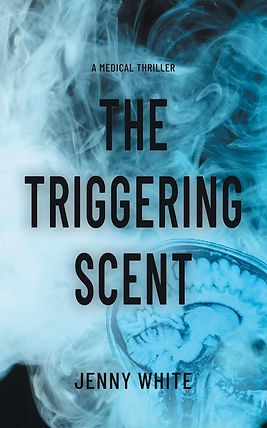
Jenny White, a retired registered nurse and author of The Triggering Scent, understands this gap intimately. Her work demonstrates how a nursing career in medical fiction can be portrayed with genuine clinical accuracy while maintaining the suspense and emotional intensity that readers crave. By drawing on lived experience in acute care settings, she shows what happens when a nurse's professional expertise and moral judgment become the center of the narrative, not the supporting detail.
The Evolution of the Nurse Archetype in Literature and Television
The nurse archetype has shifted dramatically over the past century, reflecting changing attitudes toward both the profession and gender roles in healthcare. Early literary portrayals emphasized devotion and self-sacrifice, the nurse as moral compass working tirelessly with minimal complaint. Florence Nightingale's legacy created an idealized image that persisted well into the 20th century.
Television accelerated the evolution. By the 1960s and 1970s, shows like M.A.S.H. introduced more complex nurse characters, though often secondary to physician leads. The 1990s and 2000s brought shows like ER and Grey's Anatomy, where nurses appeared with greater frequency yet the hierarchical dynamic persisted. Physicians made critical decisions; nurses executed them.
More recent television has started to shift this dynamic. Shows like The Nurses and Calling center nursing perspectives more directly, exploring the moral and emotional labor of bedside care. These portrayals acknowledge that nurses spend more direct time with patients than any other healthcare provider, creating unique ethical obligations and clinical insights.
What's changed is the willingness to show nursing as a profession with genuine intellectual and moral weight. A nursing career in medical fiction now increasingly includes the diagnostic reasoning, patient advocacy, and difficult conversations that define actual practice.
Nursing Tropes in Literature and What Reality Actually Looks Like
The Heroic Caregiver Trope
The heroic caregiver appears constantly across medical fiction: the nurse who works double shifts, sacrifices personal relationships, and finds meaning purely through patient care. The problem is that this trope conflates burnout with virtue.
In reality, sustainable nursing requires boundaries. Nurses who maintain their practice over decades understand that protecting their own wellbeing isn't selfish, it's essential to providing safe patient care. When a nursing career in medical fiction relies on the heroic caregiver trope, it obscures the real issue: systemic staffing shortages and working conditions that demand impossible choices. Authentic portrayals show nurses making difficult decisions about what they can ethically manage and advocating for better conditions.
The Burnout Narrative and Its Accuracy
The burnout narrative has gained traction in recent medical fiction, reflecting a genuine crisis as nurses leave the profession citing exhaustion and moral injury. Fiction that depicts this reality has value because it validates healthcare workers' experiences and raises awareness.
However, the burnout narrative can become limiting if it's the only story told about nursing. A nursing career in medical fiction that centers only on burnout risks suggesting the profession is inherently unsustainable rather than exploring how nurses actually manage the emotional and physical demands of the work. The most authentic portrayals acknowledge both the real toll and the ways experienced nurses develop resilience, perspective, and coping strategies that allow them to continue practicing.
Key Takeaway The most credible nursing narratives show both the genuine demands of the work and the ways that nurses build sustainable careers through professional judgment, boundary-setting, and support systems.
Writing Authentic Medical Characters with Nursing Expertise
Creating a nursing character with genuine clinical credibility requires more than surface-level research. Authors who haven't worked in healthcare often rely on dramatic moments while missing the texture of actual nursing work. A nursing career in medical fiction should reflect how nurses actually spend their time: assessing patients, communicating with physicians and families, managing complex medication regimens, recognizing subtle changes in a patient's condition, and making judgment calls that require both technical knowledge and intuition.
Medical terminology should be accurate but not overwrought. Real nurses use clinical language in professional contexts but code-switch, using simpler language with patients and more technical language with colleagues. A well-written nurse character demonstrates this flexibility.
Jenny White's approach in The Triggering Scent demonstrates how lived nursing experience translates into credible medical fiction. Her protagonist, Abbey Roberts, navigates complex clinical scenarios with the kind of nuanced judgment that comes from years in acute care. The ethical dilemmas she faces reflect real tensions that nurses encounter between patient advocacy, institutional constraints, and professional boundaries.
Authentic Element | What It Looks Like in Fiction | What It Reveals About Character |
Clinical reasoning | Nurse notices subtle signs others miss; explains their thinking | Competence, attention, experience |
Patient advocacy | Nurse pushes back on treatment plans or speaks up for patient needs | Professional ethics, courage |
Emotional labor | Nurse manages their own response to suffering while staying present | Maturity, boundaries, resilience |
Collaboration | Nurse communicates effectively with physicians and team members | Professional identity, respect |
Uncertainty | Nurse acknowledges what they don't know; seeks information | Intellectual honesty, humility |
Pro Tip If you're writing a nurse character, spend time observing how nurses actually work. Watch their interactions with patients, note how they prioritize tasks, listen to how they talk about their work. Specific details, how they wash their hands, what they monitor on a patient, how they respond to a family member's fear, make the character believable.
Nurses as Protagonists: Breaking Away from Supporting Roles
For most of literary history, nurses appeared in medical fiction as supporting characters, competent and caring but ultimately secondary to the physician protagonist. This structural choice reflects historical hierarchies but also limits storytelling. When a nurse becomes the protagonist, the narrative gains access to a different vantage point, different ethical dilemmas, and different kinds of tension.
A nurse protagonist experiences the hospital differently than a physician does. They spend more continuous time with patients, are often the first to notice complications, and navigate different power dynamics while maintaining direct accountability to patients. This creates rich dramatic potential that has largely been unexplored in mainstream medical fiction.

When nurses are protagonists, they're defined by their relationship to patients and their own professional judgment rather than their relationship to physicians. This fundamentally changes the story being told about nursing and healthcare itself.
Medical Accuracy and Clinical Detail in Nursing Narratives
Medical accuracy in nursing narratives serves multiple purposes. For healthcare professionals reading fiction, accuracy validates their experience. For general readers, accuracy builds credibility and immersion. But accuracy also shapes the themes and tensions available to the narrative.
When a nursing career in medical fiction is portrayed with genuine clinical detail, it becomes possible to explore the actual ethical dilemmas that nurses face. A character managing a complex medication regimen can confront questions about patient autonomy and informed consent. A nurse recognizing signs of abuse can navigate the tension between patient privacy and mandatory reporting.

The challenge for fiction writers is maintaining accuracy without letting technical detail overwhelm narrative. A reader doesn't need to understand every aspect of a clinical procedure, but they need to trust that the author does. Jenny White's medical thrillers demonstrate how clinical accuracy can enhance suspense; readers trust the medical scenarios because they're written with genuine understanding, which allows the psychological and ethical dimensions of the story to carry more weight.
Standards for accurate medical writing
Diversity and Representation in Medical Fiction
Nursing is changing demographically, yet medical fiction often hasn't caught up. The profession is increasingly diverse in gender, race, ethnicity, and educational background, yet fiction frequently defaults to outdated representations. A nursing career in medical fiction should reflect the actual diversity of the profession: male nurses, nurses from immigrant backgrounds, nurses with advanced degrees, nurses navigating different cultural approaches to healthcare.
Representation also extends to the kinds of nursing roles portrayed. Medical fiction tends to focus on hospital-based acute care, particularly intensive care units and emergency departments. But nurses work in community health, mental health, palliative care, public health, and countless other settings. A broader representation of nursing work would reveal the full scope of the profession.
When diversity is handled thoughtfully in medical fiction, it enriches the narrative. A nurse navigating racial bias from patients or colleagues faces real tensions that non-marginalized characters don't encounter. A nurse whose cultural background informs their approach to patient care brings different perspectives to clinical situations.
Watch Out Representation that feels tokenistic or that makes a character's identity their only defining feature can feel reductive. The goal is integration, characters whose identity is part of their complexity, not the entirety of their characterization.
Conclusion
The portrayal of a nursing career in medical fiction has evolved significantly, yet significant gaps remain. The most authentic and compelling narratives move beyond outdated tropes toward genuine complexity. They show nurses as professionals whose clinical judgment, ethical reasoning, and relational skills are central to healthcare. They acknowledge the real demands of the work while depicting nurses who find ways to sustain meaningful careers.
For readers seeking medical fiction that captures this authenticity, Jenny White's work offers something distinct. Written by a retired registered nurse who brings lived experience of acute care settings, her novels ground medical detail in genuine clinical reality. The Abbey Roberts RN series demonstrates how a nursing career in medical fiction can be portrayed with the depth and credibility that the profession deserves, not as supporting detail, but as the foundation of compelling, character-driven storytelling.
Frequently Asked Questions
What makes a nursing career in medical fiction feel authentic versus Hollywood-ified?
Authentic portrayals show the emotional labor, ethical dilemmas, and patient advocacy that define nursing work, not just dramatic moments. Real nursing careers involve bedside manner, clinical decision-making under pressure, and the cumulative toll of acute care. Authors with nursing backgrounds bring accuracy to medical jargon, hospital hierarchies, and the day-to-day reality of professional standards that most fiction writers overlook. The difference lies in whether the narrative respects nursing as a profession or uses nurses as props in a medical drama.
Why are nursing tropes in literature often inaccurate or limiting?
Nursing tropes in literature frequently reduce nurses to caregiver stereotypes, love interests, or moral compasses rather than complex professionals managing life-and-death decisions. Historical fiction and medical thrillers often sideline nursing expertise in favor of doctor-centric narratives, even though nurses spend more time with patients and catch critical errors. Stereotypes ignore the intellectual rigor of nursing practice, the ethical weight of patient advocacy, and the diversity of nursing specializations. Fiction that challenges these tropes shows nurses as protagonists making independent clinical judgments and navigating genuine workplace conflicts.
How do authors write authentic medical characters with nursing expertise?
Writing authentic medical characters requires understanding clinical practice from a nurse's perspective, not just medical terminology. Author-nurses bring lived experience in acute care, patient communication, and the realities of healthcare environments. Authentic medical characters demonstrate proper clinical reasoning, understand hospital workflow and team dynamics, and show how nursing work informs narrative voice and character decision-making. The intersection of clinical experience and creative writing produces characters whose actions and responses feel grounded in real professional knowledge, not guesswork or television drama.
Are there medical fiction novels that accurately depict the challenges of a nursing career?
Yes, particularly those written by author-nurses who combine clinical knowledge with storytelling skill. These works explore the emotional toll of medical practice, ethical dilemmas in patient care, and the resilience required in healthcare settings. They address work-life balance, trauma-informed perspectives, and the impact of burnout without romanticizing suffering. Novels featuring nurse protagonists in leadership roles or complex clinical situations provide readers with an authentic look at how nursing expertise shapes professional identity and decision-making in high-stakes medical environments.
If you're drawn to medical thrillers that center nursing expertise and explore the ethical complexities of healthcare with genuine clinical authority, Jenny White's The Triggering Scent delivers the immersive, suspenseful reading experience that fans of authentic medical drama have been waiting for. [EXTERNAL_LINK: Explore Jenny White's medical thrillers and author background | jennywhite.ca]
Buy now
This article was written using GrandRanker


Comments