



Why Hospital Dramas Feel So Unrealistic
Updated: Sep 16
Table of Contents
The Gap Between TV Medicine and Clinical Reality
Common Medical Tropes in TV Shows That Don't Reflect Practice
Oversimplification of Diagnostic Procedures
Exaggerated Resuscitation and Rapid Recovery
Hospital Hierarchy and Workplace Dynamics
Why Drama Wins Over Medical Accuracy
How Medical Dramas Affect Patient Perception and Expectations
What Healthcare Providers Actually Think About Medical Shows
Finding Authenticity in Medical Fiction
Frequently Asked Questions
Last Updated: August 15, 2026
The Gap Between TV Medicine and Clinical Reality
Television has a way of making the extraordinary look routine and the routine look extraordinary. When it comes to hospital dramas, this gap between scripted entertainment and clinical reality has never been wider. The problem isn't that TV doctors are incompetent, it's that the entire premise of medical drama demands compression, acceleration, and emotional stakes that real medicine simply doesn't deliver on a consistent basis.
A registered nurse working in an intensive care unit will tell you that the difference between what happens on screen and what happens on the ward is almost laughable. Patients don't wake up from induced comas with perfect clarity. Diagnoses don't arrive in the final two minutes of an episode. And the hierarchy, the ethics, the sheer boredom punctuated by genuine crisis, none of that translates to television.
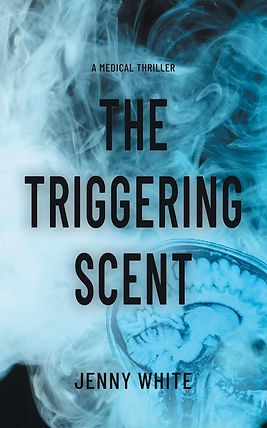
This is where Jenny White's work stands apart. As a retired registered nurse and brain tumor survivor, White understands the clinical reality so thoroughly that when she writes medical fiction, the authenticity becomes the story itself. Her debut novel, The Triggering Scent, launches the Abbey Roberts RN series with a commitment to showing how hospital drama actually feels from the inside, the ethical dilemmas, the fatigue, the weight of real decisions made under genuine pressure. Readers who crave medical thrillers that don't insult their intelligence by treating hospitals like soap operas have found something rare: fiction that respects the profession while still delivering genuine suspense.
The question then becomes: why do hospital dramas feel so unrealistic in the first place? And more importantly, what can writers and viewers understand about the gap between what we watch and what healthcare providers actually experience?
Common Medical Tropes in TV Shows That Don't Reflect Practice
Television has established a lexicon of medical storytelling that bears almost no resemblance to clinical practice. These aren't accidents, they're deliberate choices made by writers and producers who prioritize narrative momentum over accuracy. Understanding these tropes reveals why hospital dramas feel so unrealistic to anyone who's actually worked in healthcare.
Oversimplification of Diagnostic Procedures
On television, diagnosis is a process of inspired guessing followed by a sudden eureka moment. A doctor reviews symptoms, makes a logical leap, orders one test, and the answer appears within minutes. Real diagnostic procedures are nothing like this. They're methodical, iterative, and often inconclusive.
In actual clinical practice, a patient presenting with chest pain might require an electrocardiogram, troponin levels, chest X-ray, and possibly a CT angiogram. Each test takes time. Results don't arrive instantly. A single test rarely provides a definitive answer, instead, clinicians piece together information from multiple sources, each with its own limitations and margins of error. The process can take hours or days, and even then, the diagnosis might remain uncertain.
Television collapses this into a montage. A doctor has a hunch, orders a test, and while dramatic music plays, the diagnosis emerges with complete certainty. This doesn't reflect how medicine actually works. Diagnostic uncertainty is the norm in healthcare, not the exception. Clinicians regularly operate with incomplete information, making the best decisions they can based on probability rather than certainty.
Exaggerated Resuscitation and Rapid Recovery
Few television tropes are more damaging to public understanding than the depiction of cardiopulmonary resuscitation (CPR) and patient recovery. On screen, a patient flatlines, the team performs chest compressions and defibrillation, and within moments, the patient wakes up, sits up, and asks what happened. This happens repeatedly across medical dramas, creating a false impression of how resuscitation actually works.
The reality is far grimmer. When a patient experiences cardiac arrest in a hospital setting, the goal of CPR is to maintain blood flow to vital organs while the underlying cause is addressed. Success rates vary dramatically depending on the initial rhythm, the patient's age, and underlying health conditions. Even when CPR is performed correctly and quickly, many patients don't survive. Among those who do, many suffer significant neurological damage. A patient who recovers consciousness immediately and fully is the exception, not the rule.
Television also compresses recovery timelines. A patient might spend a single episode in intensive care and then return to normal activities in the next episode. Real recovery from serious illness or injury is slow, often incomplete, and frequently accompanied by complications. A patient recovering from sepsis might spend weeks in the ICU, followed by weeks or months of rehabilitation. Psychological trauma from critical illness is common and often overlooked.
Hospital Hierarchy and Workplace Dynamics
Medical dramas typically present hospital hierarchies as dramatic battlegrounds where attending physicians make unilateral decisions, residents question authority in ways that would be career-ending, and interpersonal conflicts drive clinical decisions. This caricature bears little resemblance to actual hospital culture.
In reality, hospital hierarchies exist for patient safety reasons. Residents and junior staff operate under supervision because they're still learning. Attending physicians make final decisions not because they're dictators, but because they carry legal and ethical responsibility. The workplace dynamics are far more collaborative than television suggests, with multidisciplinary teams including nurses, physicians, pharmacists, respiratory therapists, and social workers all contributing to patient care decisions.
Nurses, who are largely absent from meaningful roles in most medical dramas, actually drive much of the clinical decision-making in real hospitals. A nurse who notices subtle changes in a patient's status often initiates the cascade of clinical interventions. The bedside manner, the constant monitoring, the advocacy for patients, these are nursing functions that rarely appear on television in any realistic form.
Why Drama Wins Over Medical Accuracy
The fundamental reason hospital dramas feel so unrealistic is that entertainment and accuracy are often in direct conflict. Television needs conflict, resolution, and emotional payoff. Medicine offers uncertainty, ambiguity, and outcomes that may never be fully known.
A realistic depiction of a patient's journey through the healthcare system would involve long periods of waiting, multiple specialist consultations that sometimes contradict each other, tests that are inconclusive, and treatments that work for some patients but not others. This is compelling to people living through it, but it doesn't translate to compelling television. Viewers want narrative momentum. They want clear problems and solutions. They want to see the impact of clinical decisions within a timeframe that fits a television episode.
Writers and producers face a genuine dilemma. They can commit to accuracy and risk losing audience engagement, or they can prioritize storytelling and sacrifice realism. Most choose the latter. This isn't malice, it's a rational response to the constraints of the medium.
The irony is that authentic medical storytelling can be just as gripping as the dramatized version. Jenny White's approach in The Triggering Scent demonstrates this. By committing to clinical accuracy while maintaining genuine suspense around ethical dilemmas and patient outcomes, she creates tension that doesn't rely on medical inaccuracy. The drama comes from the characters, the stakes, and the genuine uncertainty of medicine, not from implausible scenarios.
How Medical Dramas Affect Patient Perception and Expectations
The cumulative effect of unrealistic medical dramas is significant. Patients arrive at healthcare encounters with expectations shaped by television, and these expectations often collide with reality. This phenomenon, sometimes called the "Grey's Anatomy effect," influences how patients understand their own care and what they expect from their healthcare providers.
Patients sometimes expect rapid diagnosis and treatment because that's what they've seen on television. When a real diagnostic workup takes days or weeks, they become frustrated or suspicious. They may question their physician's competence, not realizing that the television version of diagnosis is fantasy.
Similarly, patients may have unrealistic expectations about recovery. A patient who has watched countless television characters recover from serious illness in a matter of episodes may struggle psychologically when their own recovery takes months. They may interpret slow progress as failure rather than normal healing.
Patients also develop expectations about how healthcare providers should behave. Television physicians are often portrayed as making dramatic, individual decisions that save lives through brilliance or intuition. Real medicine is more collaborative and systematic. When patients encounter healthcare teams that work methodically through established protocols, they may perceive this as less competent than the television version of medicine.

What Healthcare Providers Actually Think About Medical Shows
Healthcare professionals have complex feelings about medical dramas. On one hand, they appreciate that these shows generate interest in healthcare careers and create awareness of medical conditions. On the other hand, they're acutely aware of the inaccuracies and the potential harm that can result from public misunderstanding of how medicine actually works.
Physicians often express frustration with the portrayal of diagnosis as a moment of brilliant insight rather than systematic investigation. They note that the most interesting part of real medicine, the careful reasoning, the consideration of multiple possibilities, the integration of information from various sources, is invisible on television. Instead, viewers see only the dramatic moment when the diagnosis is revealed.
Nurses frequently point out their near-complete absence from meaningful roles in medical dramas. When nurses do appear, they're often portrayed as support staff rather than as the clinical decision-makers they actually are. This misrepresentation has real consequences, contributing to the perception that nursing is a less intellectually demanding profession than medicine.
Emergency medicine physicians note that the pace of television emergency departments bears no resemblance to reality. On television, every patient is interesting and every presentation is unusual. In real emergency departments, the majority of patients have common presentations that resolve quickly. The truly critical cases are exceptions, not the rule.
Surgeons and anesthesiologists are often portrayed as working in isolation, making unilateral decisions about patient care. In reality, modern surgical teams are highly coordinated, with clear communication protocols and shared decision-making. The stereotype of the brilliant but difficult surgeon making decisions unilaterally is not only unrealistic, it's dangerous.
Finding Authenticity in Medical Fiction
Despite the prevalence of unrealistic medical dramas, some writers have committed to creating fiction that respects clinical reality. This approach requires research, consultation with healthcare professionals, and a willingness to let accuracy inform the story rather than the reverse.

Writers like Jenny White bring lived experience to their work. Having worked as a registered nurse, White understands not just the clinical facts but the emotional reality of healthcare work. She knows how fatigue affects decision-making, how ethical dilemmas actually feel, and how the hierarchy and protocols of hospitals function in practice. This knowledge becomes the foundation for fiction that feels authentic to readers who work in healthcare.
Authentic medical fiction doesn't require abandoning drama or suspense. Instead, it channels tension into realistic scenarios. Ethical dilemmas, patient outcomes, and the emotional weight of clinical decisions provide genuine drama. A patient's slow recovery from critical illness can be more compelling than a miraculous resurrection. The uncertainty of diagnosis, the limitations of medicine, and the human factors that influence outcomes all create natural narrative tension.
Readers who work in healthcare specifically seek out fiction that respects their profession. They want to see their own experiences reflected in the stories they read. They want characters who face the same constraints, uncertainties, and ethical challenges they encounter daily. This audience is willing to engage deeply with medical fiction that takes accuracy seriously because authenticity enhances rather than diminishes the reading experience.
The challenge for writers is resisting the pressure to dramatize beyond recognition. It's tempting to accelerate timelines, simplify diagnoses, and exaggerate the consequences of clinical decisions. But readers who work in healthcare can spot these shortcuts immediately, and the credibility of the entire narrative suffers.
Hospital dramas feel unrealistic because entertainment and accuracy are often at odds, and television has consistently chosen drama over clinical fidelity. From oversimplified diagnosis to exaggerated recovery to misrepresented hierarchies, the gap between television medicine and real medicine is substantial. Yet this gap also represents an opportunity for writers and readers who value authenticity. Jenny White's The Triggering Scent demonstrates that medical fiction can deliver genuine suspense while respecting clinical reality. For readers seeking immersive medical thrillers that don't insult the intelligence of healthcare professionals, White's work offers something rare: a story that understands the profession deeply enough to make the real stakes, ethical dilemmas, patient outcomes, and the weight of clinical decisions, into the source of genuine tension.
Frequently Asked Questions
What makes hospital dramas feel so unrealistic compared to actual clinical practice?
Hospital dramas compress timelines, oversimplify diagnostic procedures, and exaggerate patient outcomes to maintain narrative tension. In reality, diagnostic procedures take hours or days, not minutes. Resuscitation success rates are far lower than television suggests, and patient recovery involves weeks of rehabilitation rather than dramatic bedside revelations. Medical consultants work behind the scenes, but entertainment value ultimately drives editorial decisions, creating a version of medicine that prioritizes drama over clinical accuracy.
How do common medical tropes in TV shows distort public understanding of healthcare?
Television medical tropes, such as instant diagnoses, miracle recoveries, and dramatic malpractice moments, shape how audiences expect healthcare to work. Patients arrive at hospitals expecting rapid answers and may become frustrated with the actual pace of clinical work. The 'Grey's Anatomy effect' influences patient expectations about bedside manner, surgical outcomes, and the role of emotional connection in treatment. This gap between fictional medicine and clinical reality can lead to unrealistic demands on healthcare providers and misunderstanding of standard of care protocols.
Do medical shows actually employ consultants to improve accuracy?
Yes, many medical dramas hire medical consultants, physicians, nurses, and other healthcare professionals, to review scripts and advise on clinical details. However, consultants face the 'Consultant's Dilemma': they can suggest accurate procedures, but producers often override their recommendations when accuracy conflicts with dramatic pacing or visual storytelling. A consultant might propose a realistic 8-hour diagnostic workup, but the show needs resolution in 42 minutes. This tension between clinical realism and entertainment needs explains why even shows with medical advisors still feel unrealistic to healthcare workers.
Why do hospital dramas prioritize romance and interpersonal conflict over medical accuracy?
Medical dramas are scripted entertainment first and medical education second. Romance, conflict, and personal stakes drive viewer engagement more reliably than accurate depictions of triage protocols or standard hospital procedures. Audiences tune in for character development and emotional investment, not to learn clinical procedures. This reality means that even well-intentioned shows must balance health literacy with narrative momentum, resulting in medical storylines that feel compressed, dramatized, and ultimately unrealistic to anyone with clinical experience.
Buy now
This article was written using GrandRanker


Comments