



Books About Nurses Solving Crimes: 2026 Reading Guide
Table of Contents
Why Books About Nurses Solving Crimes Are So Addictive
Medical Thriller Books With Nurse Protagonists: Fiction's Sharpest Sleuths
The Triggering Scent and the Abbey Roberts RN Series
Classic Nurse Detectives and Modern Medical Suspense
True Crime Books About Nurses: When the Evidence Points to the Ward
Investigative Journalism: The Institutional Failure Narrative
Memoir and First-Person Accounts
What to Watch For
Books by Nurse Authors: Why Clinical Experience Shows on the Page
Forensic Nursing and the Science Behind Nurse-Led Crime Fiction
The Sub-Fields, and Which Ones Fiction Actually Uses
Why the Training Pathway Matters for Realism
The Medical Accuracy Question
How to Choose Your Next Nurse Detective Read
Frequently Asked Questions
Last Updated: September 28, 2026
Why Books About Nurses Solving Crimes Are So Addictive
Books about nurses solving crimes sit at a rare intersection: the clinical precision of the ICU and the slow-burn tension of a homicide investigation. That combination explains why the sub-genre keeps pulling in readers who normally split their time between hospital dramas and detective fiction. This guide from Jenny White walks through the best of them, from vintage amateur sleuths to modern medical thrillers, and explains what separates a genuinely gripping story from a formulaic one.
Key Takeaway The nurse detective works because the role grants access a police officer never gets: bedside proximity, shift patterns, and the trust of patients who speak freely when they think no one official is listening.
Medical Thriller Books With Nurse Protagonists: Fiction's Sharpest Sleuths
Medical thriller books with nurse protagonists tend to outperform doctor-led stories because nurses occupy the space between the patient and the institution. They are insiders with less power, which makes every investigation feel more precarious.
The Triggering Scent and the Abbey Roberts RN Series
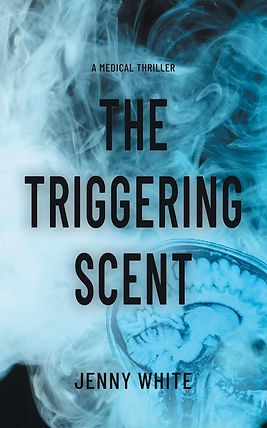
Jenny White's The Triggering Scent introduces Abbey Roberts RN, a character shaped by the author's own career as a retired registered nurse and brain tumor survivor. The result is a protagonist whose clinical decisions read as real, and whose recovery arc carries genuine emotional weight rather than manufactured drama.
Classic Nurse Detectives and Modern Medical Suspense
The Cherry Ames series remains the template for the amateur sleuth in nursing. Following Charity "Cherry" Ames from student nurse to professional, it blends coming-of-age storytelling with mystery-solving, and it offers a historical window into how the profession was portrayed decades ago. The dated social attitudes are part of the reading experience, not a flaw to ignore.
Book / Series | Author Background | Style | Best For |
The Triggering Scent (Abbey Roberts RN) | Retired RN, brain tumor survivor | Medical thriller, ethical dilemmas | Readers wanting authentic clinical detail and resilience |
Cherry Ames Series | Vintage series fiction | Amateur sleuth, coming-of-age | Fans of classic nurse detectives |
Ellis Hospital Series | Former nurse | Realistic hospital fiction | Readers who want workplace authenticity |
The Nurse | Thriller author | Psychological suspense | Fans of twist-heavy, darker narratives |
True Crime Books About Nurses: When the Evidence Points to the Ward
True crime accounts of medical professionals occupy a different shelf entirely. These are narrative non-fiction, and the tension comes from the fact that the crimes actually happened. The strongest entries in this category do three things at once: they reconstruct the investigation, they explain the oversight failures that allowed harm to continue, and they resist the temptation to turn patients into set dressing.
Investigative Journalism: The Institutional Failure Narrative
Charles Graeber's The Good Nurse follows the investigation into Charles Cullen, a nurse whose crimes unfolded inside hospital settings, and the whistleblowing process that finally led to an arrest. The book works because it treats the hospital as a crime scene without sensationalizing the clinical environment. It also raises uncomfortable questions about malpractice, oversight, and how institutions respond when the evidence points inward.
Memoir and First-Person Accounts
A second strand of true crime writing comes from nurses themselves, often framed as memoir rather than investigation. These books tend to be quieter and more ambivalent: the author is describing what it felt like to suspect a colleague, to report a concern up the chain, or to realize in hindsight that a pattern was visible long before anyone acted.
What to Watch For
Named institutions and dates. Strong true crime reporting anchors claims to specific hospitals, specific years, and specific regulatory responses. Vague accounts tend to be padded.
Patient dignity. Books that describe victims only as case numbers age poorly. The better ones give patients context without exploiting them.
Regulatory aftermath. The most useful accounts explain what changed afterward, licensing body reviews, reporting requirements, or hospital policy shifts.
Canadian Nurses Association code of ethics for registered nurses sets out the professional standards that make these real-world failures so striking to anyone working in patient care. Provincial and territorial nursing regulators publish their own complaints and discipline decisions, and reading a few of those alongside a true crime book is one of the fastest ways to understand how oversight actually functions.
Watch Out True crime about medical professionals can be graphic and can describe patient deaths in detail. If you are a working nurse, consider whether you want that material in your off-hours reading. Many readers in the field report that investigative journalism about their own profession hits differently than crime writing about any other industry. ::: Finding a way to decompress after these intense narratives often involves shifting focus toward personal expression, such as wearing graphic shirts for bookworms that celebrate the joy of reading without the weight of clinical reality. Books by Nurse Authors: Why Clinical Experience Shows on the Page Books by nurse authors read differently, and readers notice within a few chapters. The details are smaller and more specific: the way a shift handover actually sounds, the hierarchy between departments, the quiet compromises that happen at 3 a.m. when staffing is thin. If you want to test whether a medical thriller was written by someone with clinical experience, read the first hospital scene and count how many administrative details appear. Authors without healthcare backgrounds tend to skip handovers, charting, and staffing pressure entirely.
Forensic Nursing and the Science Behind Nurse-Led Crime Fiction
Forensic nursing is the practice of applying clinical skills to legal and investigative contexts, including evidence collection, trauma assessment, and documentation that holds up in court. It is also the reason nurse-led crime fiction can be more technically convincing than stories built around a forensic anthropologist or a pathology lab.
The Sub-Fields, and Which Ones Fiction Actually Uses
Forensic nursing is not one job. It splits into several practice areas, and each one maps onto a different flavor of crime fiction:
Sexual assault nurse examiner (SANE). Conducts forensic medical exams, documents injuries, and collects evidence using a standardized kit. Fiction that uses a SANE protagonist tends to be procedural and emotionally heavy, because the role sits directly at the intersection of patient care and legal process.
Forensic death investigation. Nurses in this area assist with death scenes, post-mortem documentation, and the clinical history that informs a medical examiner's findings. This is the sub-field most often borrowed by mystery writers who want a nurse who can read a body.
Correctional and custody nursing. Practitioners working in detention settings assess injuries, document use-of-force incidents, and manage the boundary between clinical duty and security. Thrillers set in prisons or psychiatric facilities draw on this role constantly.
Forensic psychiatric nursing. Focuses on assessment and risk evaluation in mental health and legal contexts. This is the sub-field behind most psychological suspense novels with a nurse narrator.
Legal nurse consulting. Nurses who review medical records for attorneys, insurers, and courts. It is less glamorous than a crime scene, but it is the most common way a nurse ends up inside a legal case in real life, and it is underused in fiction.
Why the Training Pathway Matters for Realism
Forensic nursing is a post-licensure specialty. A registered nurse typically works clinically first, then pursues additional education and certification in forensic practice. That means a believable forensic nurse protagonist is almost never a new graduate; she has years of bedside experience behind her, and that experience is what she draws on when a case goes sideways.
The Medical Accuracy Question
Readers who value realism should treat "medical thriller" as a marketing label, not a quality guarantee. A useful test: does the book show the administrative layer? Handovers, charting, staffing ratios, and documentation disputes are where real clinical work happens, and where real investigations often turn. A novel that skips all of it is using the hospital as atmosphere.
Key Takeaway If you want to know which sub-field a novel is really drawing on, look at what the nurse protagonist does in her first scene. A SANE examines. A death investigator documents. A legal nurse consultant reads. The role she performs tells you how much research the author did.
How to Choose Your Next Nurse Detective Read
Choosing well comes down to matching the sub-genre to your mood. If you want realism and ethical weight, look for authors with clinical backgrounds. If you want nostalgia and a long-running series, the classic nurse detectives still hold up. If you want true crime, go in knowing the material is harrowing by design.
A simple decision framework:
Want authentic clinical detail? Choose books by nurse authors, starting with the Abbey Roberts RN series.
Want a long series to sink into? The Cherry Ames books offer consistent character development across many volumes.
Want psychological suspense? Pick a thriller with an unreliable narrator, such as The Nurse.
Want non-fiction? Read The Good Nurse for investigative journalism and medical ethics.
Want audiobooks? Check availability before you commit, since backlist medical thrillers vary widely in audio format.
Watch Out Do not assume a "medical thriller" label guarantees clinical accuracy. Some bestsellers use hospital settings as atmosphere only, and healthcare professionals often spot the errors within a chapter. Check whether the author has a clinical background before buying if accuracy matters to you.
Frequently Asked Questions
Are there mystery novels featuring registered nurses as the main character?
Yes. The Cherry Ames series follows a student nurse turned professional sleuth across more than two dozen books. The Ellis Hospital series centers on a registered nurse navigating hospital life while solving crimes. Jenny White's Abbey Roberts RN series, launching with The Triggering Scent, adds a modern, clinically detailed entry to this tradition. Each offers a different balance of medical detail and mystery, so you can pick based on whether you prefer vintage charm or contemporary suspense.
What makes medical thriller books with nurse protagonists so popular?
Nurses sit at the intersection of patient care and hospital politics, which gives them access to secrets doctors miss. That vantage point creates natural suspense: a nurse notices a medication error, a pattern in patient deaths, or a colleague's strange behavior. Readers also get clinical realism without the distance of a detective's outsider perspective. The result is a protagonist who is both caregiver and investigator, which raises the emotional stakes of every case.
Are there any realistic medical mystery series written by actual nurses?
Several. Echo Heron drew on her nursing career for the Ellis Hospital series, and Jenny White, a retired registered nurse, writes the Abbey Roberts RN series with clinical detail shaped by real ICU experience. Books by nurse authors tend to get the small things right: shift handoffs, medication checks, the way a code blue actually unfolds. If authenticity matters to you, start with authors who have worked the floor.
Do forensic nursing books offer accurate portrayals of crime scene investigation?
It varies. Forensic nursing is a real specialty that involves evidence collection, trauma care, and working alongside law enforcement, and some authors consult forensic nurses to get the details right. Others lean on dramatic license. If accuracy matters, look for books by nurse authors or those with a stated forensic consultant. True crime accounts like The Good Nurse show how hospital investigations actually proceed, which makes a useful reality check against fictional portrayals.
Buy now


Comments