



Medical Suspense Novels: Pharma Industry Plots
Table of Contents
Why Pharmaceutical Industry Plots Make the Best Medical Suspense Novels
Best Medical Thriller Books Where Drug Companies Drive the Danger
Coma by Robin Cook: The Novel That Launched a Genre
Harvest by Tess Gerritsen: Organ Trafficking and Medical Corruption
Clinical Trial Thriller Novels: When Research Becomes Deadly
The Andromeda Strain by Michael Crichton: Science, Outbreak, and Ethical Boundaries
Big Pharma Conspiracy Novels: Profit, Power, and Suppressed Cures
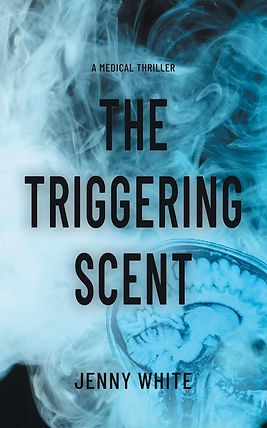
The Triggering Scent by Jenny White: An Insider's View of Hospital Suspense
Books About Pharmaceutical Industry Ethics: Where Fiction Meets Real Dilemmas
How to Choose Your Next Medical Suspense Novel
Frequently Asked Questions
Last Updated: October 8, 2026
Why Pharmaceutical Industry Plots Make the Best Medical Suspense Novels
Medical suspense novels built around the pharmaceutical industry work because the threat is invisible. There is no masked killer in the corridor. The danger arrives in a blister pack, a dosing schedule, a signature on a consent form.
This guide from Jenny White covers the best medical thriller books where drug companies, clinical trials, and hospital politics drive the danger.

Here is the throughline most recommendation lists miss: the pharmaceutical plot is the only medical thriller premise where the villain can be a spreadsheet. Profit, not pathology, drives the body count.
A quick note on categories before the list. Medical suspense novels are full-length works of fiction, usually 300 to 500 pages, in which medicine, hospitals, or research sit at the center of the plot. Short stories compress the same tension into a single sitting.
Quick Picks:
Best for a debut with insider authenticity: The Triggering Scent by Jenny White
Best classic that started the genre: Coma by Robin Cook
Best for procedural fans: Harvest by Tess Gerritsen
Best science-driven outbreak thriller: The Andromeda Strain by Michael Crichton
Best Medical Thriller Books Where Drug Companies Drive the Danger
The strongest best medical thriller books share one trait: the institution itself is the antagonist. A hospital, a research lab, or a manufacturer holds the power, and the protagonist has to work out who inside it is lying. These titles cover the full range, from 1970s classics to new releases.
Book | Author | Pharma Angle | Best For |
Jenny White | Hospital ethics, insider danger | Readers wanting authentic ICU detail | |
Coma | Robin Cook | Surgical conspiracy, profit motive | First-time genre readers |
Harvest | Tess Gerritsen | Organ trafficking, corruption | Procedural and mystery fans |
The Andromeda Strain | Michael Crichton | Research ethics, outbreak science | Science-forward readers |
|
|
|
|
|
|
|
|
Coma by Robin Cook: The Novel That Launched a Genre
Robin Cook's Coma is the book most readers name when they trace how medical suspense became a commercial category. The premise is simple and durable: patients go in for routine procedures and never wake up. A young doctor notices the pattern, and the pattern turns out to be deliberate.
What makes Coma work is not the conspiracy itself but the ordinariness of the setting. The horror lives in surgical schedules and recovery rooms, places we are taught to trust. Cook understood that a hospital is one of the few institutions where a patient surrenders total control, and he built suspense directly on that surrender.
Where it shows its age: the technology is dated, and some readers find the pacing slow by modern standards. Still, if you want to understand the genre's foundations, start here. It remains the clearest example of a pharmaceutical plot built on profit rather than malice.
Harvest by Tess Gerritsen: Organ Trafficking and Medical Corruption
Tess Gerritsen trained as a physician before she wrote fiction, and Harvest carries that authority on every page. The plot follows a surgical resident who notices that a patient died under circumstances that do not add up, then finds a pattern reaching far beyond one hospital.
Gerritsen's strength is procedural accuracy. The clinical details feel observed rather than researched, and the corruption she describes is institutional rather than personal. Nobody in Harvest is a cartoon villain. They are people making decisions that become monstrous through repetition.
Readers who want a mystery structure wrapped around a medical setting will find this the most satisfying entry on the list. The trade-off is that the middle section slows while the investigation widens, so patience pays off.
Clinical Trial Thriller Novels: When Research Becomes Deadly
Clinical trial thriller novels turn the most regulated part of medicine into the most dangerous. A trial is a controlled experiment on human beings, which means consent, oversight, and documentation all become plot devices. When a writer breaks one of those safeguards, the result is suspense that feels like a warning.
The subgenre's appeal is that the stakes are built in. A trial participant cannot easily withdraw from a study if the people running it have decided they cannot leave. That asymmetry, between a person with an illness and an institution with a protocol, is where the tension lives.
The Andromeda Strain by Michael Crichton: Science, Outbreak, and Ethical Boundaries
Michael Crichton's The Andromeda Strain remains the benchmark for science-driven medical suspense. A research team is assembled to study a contaminant brought back from space, and the book follows their work with almost documentary precision.
Crichton's method was to make the science the suspense. The reader learns the rules of the containment facility alongside the characters, so every breach feels earned rather than arbitrary. The ethical questions, about who gets to study a threat and who bears the risk, have aged well.
One honest limitation: this is not a pharmaceutical-industry novel in the corporate sense. The antagonist is a microorganism and the bureaucracy around it, not a drug company. If you want boardroom-level conspiracy, look elsewhere on this list. If you want the science itself to be the threat, this is the book.
Big Pharma Conspiracy Novels: Profit, Power, and Suppressed Cures
Big Pharma conspiracy novels run on a specific engine: a treatment exists, and someone has decided it is more profitable to bury it. The best versions of this premise avoid easy villainy. They show how ordinary incentives, quarterly targets, and career pressure can produce a decision that costs lives.
This is where the genre gets closest to real drug safety debates. Questions about adverse effects, trial reporting, and how regulators learn about problems are all fair game for fiction, and readers who follow those issues tend to find these books the most unsettling.
The Triggering Scent by Jenny White: An Insider's View of Hospital Suspense
Jenny White's The Triggering Scent opens the Abbey Roberts RN series, and it is the book we recommend first for readers who want hospital suspense written from inside the ward rather than outside it. Jenny White is a retired registered nurse and a brain tumor survivor, and both experiences shape the novel's clinical texture and its emotional core.
The medical details are the real differentiator. Abbey Roberts moves through ICU dynamics, staffing pressure, and ethical dilemmas the way an actual nurse does, which means the suspense comes from decisions made under time pressure rather than from coincidence. Readers who work in healthcare tend to notice this immediately. As one reader put it, the book is "a well-written thriller with strong characters and realistic medical details."
Pro Tip If you usually skim medical scenes in thrillers because they feel staged, start with the ICU chapters. The handoff details, the charting, the way information travels between shifts, are the parts healthcare readers tell us they recognize most.
On the question of tone: the resilience thread is handled with care rather than spectacle. Readers who have been through serious illness themselves have told us the emotional impact of Abbey's struggles is what made the book stand out. It is intense, but it is not there for shock value.
Where it sits in the genre: if you already read Robin Cook and Tess Gerritsen, the difference here is voice. This is first-person-in-the-room medical suspense, closer to a character study than a procedural. The trade-off is that readers who want a wide investigative scope will find the focus tighter and more personal.
Books About Pharmaceutical Industry Ethics: Where Fiction Meets Real Dilemmas
Books about pharmaceutical industry ethics ask a question that fiction handles better than journalism: what does a good person do inside a bad system? The best novels in this space do not answer that question. They put a character in a position where every option costs something.
If you want to go deeper into the real regulatory side, Health Canada's drug and health product regulatory information publishes the actual rules that govern drug approval, clinical trials, and post-market surveillance. Reading the real framework makes the fictional versions sharper, because you can see exactly which safeguard a novelist has chosen to break.
For a broader view of how patient safety is studied and reported, the Canadian Institute for Health Information's patient safety reporting is a useful starting point. Fiction compresses what these reports describe at scale.
Watch Out A common mistake is treating a novel's plot as a claim about real practice. Fiction deliberately breaks the safeguards that exist in the real system. If a book makes you worried about a medication you take, talk to your pharmacist or prescriber, not a plot summary.
How to Choose Your Next Medical Suspense Novel
Picking your next read comes down to three questions: how much science you want, how much procedure, and how dark you are willing to go. Most disappointment in this genre comes from a mismatch on one of those three, not from a bad book.
Do you want the science to lead? Choose Crichton. The Andromeda Strain rewards readers who like their suspense built from technical detail.
Do you want a classic conspiracy? Choose Cook. Coma is the template, and it still reads cleanly.
Do you want a mystery structure? Choose Gerritsen. Harvest balances investigation with clinical atmosphere.
Do you want to feel like you are inside the hospital? Choose Jenny White. The Triggering Scent is built on shift-level realism and character.
Do you want quiet, procedure-driven dread?
Content notes matter here too. This genre deals with death, medical trauma, and institutional betrayal, and some readers need to know that going in. If you are a survivor of serious illness, the resilience-focused titles on this list will land differently than the pure-conspiracy ones.
Medical suspense only works when the medicine feels real, and that is the hardest thing to fake.
If you want a medical thriller that respects both the clinical reality and the reader, get started with Jenny White and The Triggering Scent, then follow Abbey Roberts through the series.
Frequently Asked Questions
What are the best medical suspense novels about the pharmaceutical industry?
Robin Cook's Coma remains the benchmark for pharmaceutical conspiracy fiction, while Tess Gerritsen's Harvest tackles organ trafficking and medical corruption. Michael Crichton's The Andromeda Strain explores scientific outbreak suspense. For a contemporary take, Jenny White's The Triggering Scent delivers authentic hospital drama with ethical dilemmas rooted in real clinical experience. These medical suspense novels all place drug companies, research, or patient safety at the center of the danger.
Which medical thrillers feature drug companies or clinical trials?
Coma by Robin Cook centers on suspicious patient outcomes tied to a hospital's practices. Clinical trial thriller novels often explore what happens when research protocols go wrong or when participants are harmed. Harvest by Tess Gerritsen involves black-market organ procurement. These books about pharmaceutical industry ethics show how clinical trials, drug safety, and profit motives can create life-or-death stakes for patients and medical professionals alike.
What makes a pharmaceutical industry plot compelling in a thriller?
The best Big Pharma conspiracy novels tap into real fears: that profit can outweigh patient care, that clinical trials can be manipulated, and that suppressed cures might exist. When a medical suspense novel grounds its plot in plausible industry practices, the threat feels immediate. Readers who work in healthcare recognize the ethical tensions, while others learn how hospital dynamics and drug company decisions affect lives.
Are medical thriller novels based on real pharmaceutical industry practices?
Many authors draw on real industry practices, though plots are fictionalized. Robin Cook, a physician, based Coma on hospital routines and ethical concerns. Jenny White, a retired registered nurse, brings firsthand ICU and patient care experience to The Triggering Scent. While the conspiracies are invented, the medical details and ethical dilemmas often reflect genuine issues in drug safety, clinical trials, and patient advocacy.
How do I know the medical details in these novels are accurate?
Look for authors with clinical backgrounds. Robin Cook is a physician, Tess Gerritsen trained as a doctor, and Jenny White spent years as a registered nurse. Their medical suspense novels tend to get hospital hierarchy, medication protocols, and patient care right. Authentic details make the suspense more immersive and the ethical dilemmas more resonant for readers who know the realities of healthcare.
Buy now


Comments