



Medical Mystery Books for Book Clubs: 7 Gripping Picks
Table of Contents
Why Medical Mystery Books Spark the Best Book Club Conversations
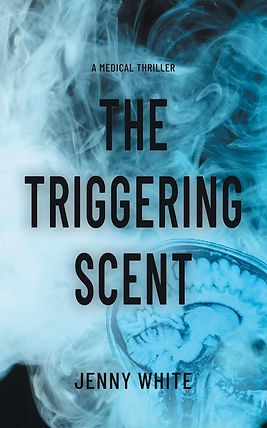
The Triggering Scent: A Debut Medical Thriller with Authentic Hospital Drama
What Makes It Stand Out for Book Clubs
Discussion Questions to Spark Conversation
Medical Thriller Books That Keep Pages Turning
Coma by Robin Cook: The Classic Medical Crime Novel
The Fever by Megan Abbott: Suspense Meets Small-Town Mystery
The Surgeon by Leslie Wolfe: High-Stakes Medical Investigation
Book Club Discussion Questions for Mystery Novels
Questions About Medical Ethics and Moral Dilemmas
Character Development and Resilience in Medical Thrillers
Best Mystery Books for Book Clubs: Selection Criteria
The Midwife Murders and Other Medical Crime Fiction Worth Discussing
How to Choose a Medical Mystery for Your Book Club
Frequently Asked Questions
Last Updated: October 6, 2026
Why Medical Mystery Books Spark the Best Book Club Conversations
Medical mystery books are uniquely suited to spark meaningful discussion. They combine the investigative tension of a whodunit with the emotional weight of human vulnerability.
This guide explores gripping picks that work exceptionally well in book club settings.
Medical mystery books for book clubs often generate conversations that extend beyond plot mechanics. Readers debate the ethics of medical decisions, discuss how characters respond to trauma, and reflect on the real-world healthcare challenges the fiction illuminates.
Key Takeaway The best medical mystery books for book clubs combine suspenseful plotting with ethical complexity, giving readers both a page-turner and something substantive to discuss.
The Triggering Scent: A Debut Medical Thriller with Authentic Hospital Drama
Jenny White's debut novel, The Triggering Scent, launches the Abbey Roberts RN series with a story that feels grounded in real hospital experience.

What sets this book apart is its commitment to realistic detail. White draws on her background as a retired registered nurse and brain tumor survivor to create scenes that ring true.
Readers consistently praise Abbey as a remarkable character whose resilience shines throughout the story. The emotional impact of her struggles, navigating professional responsibility while processing personal trauma, gives the book weight beyond its suspenseful plot.
What Makes It Stand Out for Book Clubs
The Triggering Scent works exceptionally well for group discussion because it raises questions without easy answers. Abbey faces ethical dilemmas that don't have clean resolutions. She must balance patient care with institutional pressures, professional duty with personal limits. These tensions create natural discussion points.
The book also appeals to readers with diverse backgrounds. Healthcare professionals recognize the authentic portrayal of hospital culture and appreciate how the novel doesn't oversimplify their work. Survivors of serious illness or injury find resonance in Abbey's journey toward recovery and meaning-making. Readers new to medical thrillers discover why the genre captivates so many people.
Pro Tip The twists and ethical dilemmas in The Triggering Scent kept readers turning pages late into the night, and gave them plenty to discuss the next morning. This is exactly what book clubs want: a page-turner with substance.
Discussion Questions to Spark Conversation
On Medical Ethics and Professional Responsibility:
Abbey faces moments where institutional pressure conflicts with her personal ethics. How do you think healthcare professionals navigate these tensions in real life?
What responsibility do medical professionals have when they suspect a colleague is making poor decisions?
On Trauma and Resilience:
How does Abbey's personal history shape her approach to patient care? Does her own experience make her a better nurse, or does it complicate her judgment?
What does the book suggest about the cost of resilience in high-stress professions?
On Character and Relationships:
How does Abbey's relationship with other characters change as the story unfolds? What does this reveal about trust in the workplace?
Which character's perspective did you find most compelling, and why?
Medical Thriller Books That Keep Pages Turning
Medical thrillers work because they combine two powerful elements: the intellectual puzzle of diagnosis and the emotional stakes of survival. A reader wants to know what's wrong, and they care deeply about whether the protagonist will live. That combination creates irresistible momentum.
The best medical thriller books for book clubs are those that balance plot velocity with character development. A pure procedural can entertain, but it won't generate much discussion. These titles succeed because they use medical mystery as a lens for exploring larger questions about ethics, power, and human resilience.
Coma by Robin Cook: The Classic Medical Crime Novel
Coma, originally published in 1977, established the template for modern medical thrillers. Cook's novel follows a young physician investigating a pattern of unexplained comas at a prestigious hospital.
What makes Coma endure is its combination of procedural detail and genuine suspense. Cook writes with the authority of someone who understands medicine, which gives the story credibility.
For book clubs, Coma offers a bridge between literary discussion and pure entertainment. The novel raises questions about institutional accountability and the vulnerability of patients in medical systems.
The Fever by Megan Abbott: Suspense Meets Small-Town Mystery
Megan Abbott's The Fever takes the medical mystery genre in a different direction. Rather than focusing on a single diagnosis, the novel explores a cluster of unexplained illnesses affecting teenage girls in a small town.
Abbott writes with psychological intensity. Her prose captures the paranoia and tension that builds as parents, teachers, and officials scramble to understand what's happening.
This book generates rich discussion because it raises questions without providing definitive answers. What actually caused the illnesses? How much of the escalating panic was medical and how much was psychological?
The Surgeon by Leslie Wolfe: High-Stakes Medical Investigation
Leslie Wolfe's The Surgeon combines forensic investigation with medical detail. The novel follows a detective pursuing a serial killer who targets patients in a hospital setting.
What distinguishes The Surgeon is its focus on the investigative process itself. Wolfe doesn't rush toward revelation. Instead, she builds a methodical narrative that respects the reader's intelligence.
For book clubs, The Surgeon offers opportunities to discuss the intersection of medicine and crime, institutional vulnerability, and the psychology of criminal behavior. It's also a story about professional competence under pressure, themes that appeal to healthcare professionals and general readers alike.
Book Club Discussion Questions for Mystery Novels
Medical mystery novels raise questions that extend beyond plot mechanics. They invite readers to think about ethics, institutional power, personal resilience, and the nature of trust in professional relationships. Here are discussion frameworks that work across multiple titles.
Questions About Medical Ethics and Moral Dilemmas
Medical thrillers often place characters in situations where doing the right thing conflicts with institutional pressure, professional advancement, or personal safety. These questions help readers explore those tensions:
When a character discovers that a colleague or institution is acting unethically, what are their obligations? What are the real-world costs of speaking up?
How do medical thrillers portray the tension between individual patient care and systemic institutional interests?
Are there moments where you questioned a character's ethical choices? What would you have done differently?
How does the book suggest that medical professionals should respond when they suspect something is wrong?
Character Development and Resilience in Medical Thrillers
Medical mystery novels often feature protagonists who are tested by circumstances beyond their control. These questions help readers examine how characters respond to pressure:
How does trauma shape the way characters approach their work? Does personal experience make them better at their jobs, or does it compromise their judgment?
Which character showed the most resilience in the face of adversity? What enabled that resilience?
How do relationships change as characters face crisis? What does this reveal about trust?
What does the book suggest about the cost of working in high-stakes medical environments?
Best Mystery Books for Book Clubs: Selection Criteria
Choosing the right medical mystery for your book club requires thinking about what kinds of conversations you want to generate. Not every thriller works equally well in a group setting. Here's what to consider:
Pacing and Length: A book that moves quickly keeps group energy high. If your club includes people with limited reading time, a tighter narrative works better than a sprawling epic. Most medical thrillers run 300-450 pages, which is manageable for most readers.
Character Depth: The best book club picks have characters readers care about. A plot-driven thriller can entertain, but character-driven stories generate discussion.
Ethical Complexity: Medical mystery books work best when they raise questions without providing easy answers. If the book presents a clear villain and a straightforward resolution, there's less to discuss.
Accessibility: Consider whether your group includes healthcare professionals. If it does, they'll appreciate authentic medical detail and notice inaccuracies.
Emotional Tone: Some medical thrillers lean toward horror; others emphasize human resilience. Know your group's tolerance for disturbing content. A book that traumatizes readers won't generate productive discussion.
The Midwife Murders and Other Medical Crime Fiction Worth Discussing
Medical crime fiction, stories where a crime is central to the plot, but medical detail shapes how the crime unfolds, offers a distinct reading experience from pure medical mystery.
The Midwife Murders exemplifies this subgenre. The title itself signals the intersection of medical practice and criminal investigation. These stories work for book clubs because they raise questions about institutional accountability, professional ethics, and how power operates in medical settings.
Medical crime fiction often explores how institutions protect themselves at the expense of patients or staff.
Watch Out Some medical crime fiction leans into disturbing content. Before selecting a title, read reviews or sample chapters to assess whether the emotional intensity matches your group's preferences. A book that feels gratuitously violent will derail discussion rather than enhance it.
How to Choose a Medical Mystery for Your Book Club
Selecting a medical mystery that works for your specific group requires thinking about your members' interests and constraints. Here's a practical framework:
Start with Group Preferences: Ask members what they've enjoyed reading recently. Do they prefer fast-paced plots or character-driven narratives? Are they interested in procedural detail, or do they prefer stories that use medical settings as backdrop? Have any members worked in healthcare? Their perspective will shape how the group engages with authenticity.
Consider Time and Length: How much time do members have to read? A 400-page novel requires more commitment than a 300-page one.
Read Sample Chapters: Most books offer sample chapters online. Reading the opening gives you a sense of pacing, prose style, and tone.
Check Content Notes: Medical thrillers sometimes include disturbing content, graphic medical procedures, violence, trauma.
Think About Discussion Potential: The best book club picks raise questions that don't have simple answers.
Choosing a medical mystery for your book club is an opportunity to select a story that entertains while prompting meaningful conversation.
For readers seeking authentic medical drama with genuine emotional depth, Jenny White's work stands out. Her background as a retired registered nurse and brain tumor survivor brings credibility and humanity to every page. The Triggering Scent doesn't just deliver suspense, it explores what it means to survive, to care for others, and to maintain ethics under pressure.
Frequently Asked Questions
What makes a medical mystery book a good choice for a book club?
Medical mystery books excel for book clubs because they combine suspense with ethical dilemmas, medical science, and character-driven storytelling. These elements naturally spark discussion about healthcare decisions, moral gray areas, and how characters respond under pressure. Books with realistic medical details and complex protagonists, especially those written by people with healthcare backgrounds, offer authenticity that readers can debate and analyze together.
Are there medical thriller books with built-in discussion questions?
Some medical thriller books come with reader guides or discussion materials, though availability varies by edition and publisher. The best approach is to research titles beforehand and look for reading guides on library websites or publisher resources. Books with strong ethical conflicts, like those exploring hospital decisions or diagnosis mysteries, naturally generate discussion questions even without a formal guide. Jenny White's work, for example, centers on ethical dilemmas in medical settings that naturally prompt group conversation.
How do I know if a medical mystery book has accurate clinical details?
Look for author credentials: medical thriller books written by healthcare professionals like nurses, doctors, or emergency responders tend to feature more accurate clinical detail. Check reader reviews specifically mentioning medical authenticity, and preview sample chapters if possible. Books that balance suspense with realistic hospital dynamics and plausible medical scenarios will feel grounded rather than sensationalized. Author background and professional experience are strong indicators of clinical accuracy.
What's the difference between medical mystery and medical thriller books?
Medical mystery books focus on solving a medical puzzle or unexplained diagnosis, often with an investigative journalist or detective uncovering the truth. Medical thriller books emphasize suspense and high-stakes tension within healthcare settings, with protagonists facing immediate danger or moral crises. Both genres work well for book clubs, but mysteries appeal to readers who enjoy puzzle-solving, while thrillers suit those seeking fast-paced, emotionally intense narratives. Many books blend both elements.
Can healthcare professionals enjoy medical mystery books for book clubs?
Yes, especially books that accurately portray ICU dynamics, ethical conflicts, and the emotional weight of medical decisions. Healthcare professionals often appreciate novels that respect clinical realism while exploring the human side of medicine, resilience, burnout, and moral complexity. Books by retired nurses or doctors tend to resonate strongly with healthcare workers because they capture authentic workplace culture and professional dilemmas that spark meaningful group discussion.
Buy now


Comments