



Must-Read Hospital Setting Mystery Novels for 2026
Table of Contents
Why Hospital Setting Mystery Novels Keep Readers Hooked
Quick Comparison: Top Hospital Setting Mystery Novels at a Glance
Best Medical Thrillers by Nurses and Healthcare Professionals
Emergency Department and Trauma
Intensive Care and Critical Care
Psychiatric and Forensic Units
Surgical and Procedural Settings
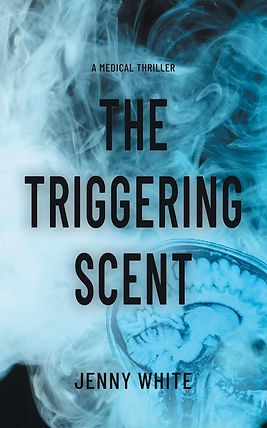
The Triggering Scent by Jenny White
How to Spot a Genuine Clinician-Authored Pick
Other Nurse-Authored Medical Mysteries Worth Your Time
Medical Suspense Novels with Ethical Dilemmas at Their Core
Locked-Room Mysteries and Psychiatric Ward Thrillers
Books for Healthcare Workers to Read: Fiction That Gets It Right
Realism vs. Fiction: How Accurate Are Hospital Mystery Novels?
What Clinicians Actually Notice
The Realism Trade-Off
A Note for Readers in Clinical Roles
Trigger Warnings and What to Know Before You Start
Frequently Asked Questions
Last Updated: September 29, 2026
Why Hospital Setting Mystery Novels Keep Readers Hooked
Hospital setting mystery novels work because they trap characters where life and death decisions happen every hour, and nobody can simply walk away. The corridors are endless, the night shifts stretch on, and the person next to you in scrubs could be a killer. This guide explores medical thrillers, from nurse-authored debuts to locked-room psychiatric ward mysteries.

That claustrophobia is the engine. A hospital is a locked room with a hundred doors, each leading somewhere you probably shouldn't go. For psychological thriller readers, the clinical setting delivers stakes a country house mystery can't: immediate and real.
The genre has quietly become one of the most reliable corners of suspense fiction. Readers want gripping, character-driven stories that respect the reality of patient care, and that demand has pulled more clinicians into writing fiction.
Quick Comparison: Top Hospital Setting Mystery Novels at a Glance
The best medical mystery combines an authentic clinical setting with a plot that could only happen inside a hospital. Here's how the strongest picks compare.
Title | Author Background | Setting | Best For | Realism Level |
Retired RN | Hospital ward | Readers wanting true clinical detail | High | |
|
|
|
|
|
|
|
|
|
|
|
|
|
|
|
|
|
|
|
|
Best Medical Thrillers by Nurses and Healthcare Professionals
Nurse-authored medical thrillers carry a credibility that research alone can't replicate. When the person writing the ICU scene has actually stood in one at 3 a.m., the small details land differently: the specific cadence of a monitor alarm, the way a code blue changes the room's temperature, the shorthand spoken between a charge nurse and a resident who have worked together for years.
Emergency Department and Trauma
The ED is the genre's natural pressure cooker: undifferentiated patients, no history, decisions made in seconds. Books set here move fast and lean on procedural accuracy. Look for authors with emergency medicine or paramedic backgrounds, because triage hierarchy and the EMS handoff separate an insider from a researcher.
Intensive Care and Critical Care
ICU-set mysteries trade speed for sustained dread. Patients can't speak, families are exhausted, and staff have been awake for eighteen hours. Ethical dilemmas concentrate here: who gets the bed, who gets withdrawn, who decides. Clinician-authors usually get the family-conference scenes right, and those are often the most unsettling part.
Psychiatric and Forensic Units
A secure unit is a locked room with a legal framework attached. The suspect pool is small, access is controlled, and every narrator is potentially unreliable. It overlaps with the locked-room tradition covered below, but the clinical texture is distinct: medication schedules, observation levels, and the vocabulary of involuntary admission.
Surgical and Procedural Settings
Operating theatres offer the genre's most concentrated claustrophobia. The patient is unconscious, the team is masked, and only the person holding the instrument sees what's actually happening. Surgeon-authored thrillers tend to be technically dense; non-clinician ones more atmospheric. Both work, but they read very differently.
The Triggering Scent by Jenny White
The standout pick is The Triggering Scent, the debut launching the Abbey Roberts RN series. Jenny White spent years as a registered nurse before a brain tumor diagnosis reshaped her life, and both experiences feed the book. Abbey Roberts navigates high-stakes hospital drama while confronting ethical dilemmas pulled from real ward conversations.
Key Takeaway The strongest medical thrillers are written by people who have actually worked the floor. Lived clinical experience is what makes the suspense feel earned rather than staged, and it's why specialty matters when you're choosing your next read.
How to Spot a Genuine Clinician-Authored Pick
Author bios are the fastest filter. A genuine clinical background shows up as a specific credential and department, not a vague claim about "years in healthcare." Cross-check the acknowledgements too: clinician-authors almost always thank former colleagues whose names match the book's setting. If the bio says emergency medicine but the acknowledgements thank a research lab, be skeptical.
Other Nurse-Authored Medical Mysteries Worth Your Time
Beyond White's series, several clinicians have moved into fiction across the specialties above.
Medical Suspense Novels with Ethical Dilemmas at Their Core
Ethical dilemmas are where medical suspense novels separate themselves from ordinary whodunnits. A murder in a hospital forces characters to weigh patient safety against loyalty, ambition against honesty. That tension is the genre's real subject, and the best books never resolve it cleanly.
Locked-Room Mysteries and Psychiatric Ward Thrillers
The locked-room mystery and the psychiatric ward were made for each other. A secure forensic unit is a closed environment with controlled access, so the suspect pool is small and the tension never releases.
Books for Healthcare Workers to Read: Fiction That Gets It Right
Healthcare workers make brutal critics of medical fiction. If the ICU dynamics feel fake, the book goes down. That's why the best recommendations for clinicians come from books written by clinicians. [EXTERNAL_LINK: The Canadian Nurses Association has noted the value of storytelling in helping healthcare professionals process the emotional weight of their work.
Pro Tip If you work in healthcare and want fiction that respects your profession, start with authors who list a clinical background. The details that matter most to you, the handover rituals and quiet hierarchies, are the ones only an insider thinks to include.
Realism vs. Fiction: How Accurate Are Hospital Mystery Novels?
Accuracy varies widely, and it's worth knowing what you're getting before committing to a 400-page procedural. Books by healthcare professionals score highest on clinical realism. Books by non-clinicians often prioritize plot over procedural truth, which can pull a reader out fast, especially one who has worked a code.
Title | Realism Level | Strongest Element | Most Likely Inaccuracy |
The Triggering Scent | High | Ward dynamics and patient perspective | Minor procedural compression for pacing |
|
|
|
|
|
|
|
|
|
|
|
|
|
|
|
|
What Clinicians Actually Notice
Realism breaks down along predictable lines. The elements that matter most to readers with a clinical background are rarely the dramatic ones. They are the small, structural details:
Staff hierarchy. Who speaks to whom, and who defers. A resident does not casually overrule an attending, and a student does not run a code.
Handover rituals. Shift change is where information is lost and where plots can hide. Books that skip it feel hollow to anyone who has done one.
Documentation and consent. The paperwork is not glamorous, but it shapes what characters can and cannot do. Mysteries that ignore it often rely on plot conveniences.
Patient voice. Whether the patient is a subject or a person is the single biggest marker of a clinician-authored book.
The Realism Trade-Off
Higher realism isn't automatically better fiction. A perfectly accurate procedural can be slow, and a plot-first thriller can grip even when the medicine is loose. It depends what you're reading for. To feel the ward, prioritize clinician-authored picks.
A Note for Readers in Clinical Roles
Healthcare workers make brutal critics of medical fiction. If the ICU dynamics feel fake, the book goes down, and no amount of plot can rescue it. That's why the most reliable recommendations for clinicians come from books written by clinicians. [EXTERNAL_LINK: The Canadian Nurses Association has noted the value of storytelling in helping healthcare professionals process the emotional weight of their work.
Trigger Warnings and What to Know Before You Start
Medical thrillers deal in trauma, and some readers need to know what they're walking into. This isn't about avoiding difficult material. It's about choosing when to engage with it. [EXTERNAL_LINK: The Canadian Mental Health Association offers guidance on managing exposure to triggering content, and it's worth a look if you're a survivor navigating fiction that mirrors your own experience.
Graphic medical emergencies or surgical scenes
Terminal illness and end-of-life care
Mental health crises and institutional confinement
Grief, loss, and survivor guilt
Medical malpractice and professional misconduct
Watch Out If you're a trauma survivor, read the first chapter before committing. Some medical thrillers lean into graphic detail for shock value, and that's a very different experience from a story that treats recovery with honesty.
Frequently Asked Questions
What makes a hospital setting effective for mystery novels?
A hospital setting works because it combines high stakes with natural isolation. Wards, ICUs, and surgical theaters limit who can enter and when, which creates the same claustrophobic tension as a locked-room mystery. Add rotating shifts, restricted areas, and life-or-death decisions, and you have a pressure cooker where secrets feel believable. Readers also trust the environment because most people have spent time in a clinic or visited someone in care, so the suspense lands closer to home.
Are there medical thrillers written by actual healthcare professionals?
Yes. Several authors draw on real clinical backgrounds, and Jenny White is one example: a retired registered nurse and brain tumor survivor whose Abbey Roberts RN series reflects authentic hospital protocols and ethical dilemmas. When a nurse or physician writes the story, details like handoff procedures, medication checks, and chain-of-command dynamics tend to ring true. That insider perspective is often what separates a gripping medical thriller from one that feels like a television script.
How do authors balance medical accuracy with suspense in hospital thrillers?
The strongest medical suspense novels with ethical dilemmas use accurate details as scaffolding, not as the plot itself. A medication error, a missing chart, or a disputed consent form becomes the spark, and the tension grows from how characters respond. Too much jargon slows the pace; too little makes the setting feel fake. Authors with clinical experience often know which two or three details will convince a reader and which ones belong in a textbook, so the story stays gripping without sacrificing credibility.
I'm a healthcare worker. Will these books feel authentic or like Hollywood nonsense?
It depends on the author. Books for healthcare workers to read tend to hold up best when the writer has spent time on a ward. Look for novels that show realistic shift fatigue, interdisciplinary friction, and the small ethical gray areas that come up during patient care. The Triggering Scent, written by a retired RN, is a good test case: the clinical setting, nursing perspective, and recovery themes come from lived experience rather than research alone. If a book gets the ICU dynamics right in the first fifty pages, it usually keeps that standard.
Buy now


Comments