



ICU Nurse Experiences in Fiction: 10 Stories That Capture Reality
Table of Contents
Why ICU Nurse Experiences in Fiction Matter
10 Compelling Stories Featuring ICU Nurse Experiences in Fiction 1. The Triggering Scent by Jenny White: Medical Thriller Authenticity 2. Intensive Care: The Story of a Nurse by Echo Heron: Real-World Critical Care 3. Behind the Nurse's Smile by Nicole Moore: Burnout and Resilience 4. Rest and Be Thankful by Emma Glass: Pediatric ICU Night Shifts 5. She's Not Sorry by Mary Kubica: Psychological Thriller with ICU Nurse Protagonist
1. The Triggering Scent by Jenny White: Medical Thriller Authenticity
2. Intensive Care: The Story of a Nurse by Echo Heron: Real-World Critical Care
3. Behind the Nurse's Smile by Nicole Moore: Burnout and Resilience
4. Rest and Be Thankful by Emma Glass: Pediatric ICU Night Shifts
5. She's Not Sorry by Mary Kubica: Psychological Thriller with ICU Nurse Protagonist
Medical Fiction ICU: How Authors Research Authenticity
Nursing Novels Realistic: Comparing Fiction to Actual ICU Practice Patient Advocacy and Communication in Fiction Ethical Dilemmas and Moral Distress Portrayed in Stories
Patient Advocacy and Communication in Fiction
Ethical Dilemmas and Moral Distress Portrayed in Stories
Books by ICU Nurses: Firsthand Accounts in Fiction Form
Healthcare Fiction: The Evolution of ICU Nurse Portrayal Over Time
Common Themes in ICU Nurse Fiction: Trauma, Compassion Fatigue, and Recovery The Emotional Toll and Stress of ICU Work Patient-Family Relationships and ICU Diaries
The Emotional Toll and Stress of ICU Work
Patient-Family Relationships and ICU Diaries
Why Nurses and Healthcare Workers Read ICU Fiction
ICU Nurse Experiences in Fiction: 10 Stories That Capture Reality
Last Updated: July 19, 2026
Why ICU Nurse Experiences in Fiction Matter
Fiction about ICU nurses serves a critical cultural function. A 2025 analysis found that medical narratives centered on nursing perspectives have increased 340% over the past decade, yet most readers have never experienced an intensive care unit. Novels allow readers to inhabit the emotional and ethical landscape of ICU nursing, the weight of compassion fatigue, moral dilemmas of critical care, and the resilience that sustains nurses through impossible shifts.
Jenny White, a Canadian author and retired registered nurse, understands this intimately. Her debut novel, The Triggering Scent, launches the Abbey Roberts RN series with authenticity only someone who has lived it can bring. By blending realistic medical details with intense emotional journeys, White and other authors are making the invisible visible: the emotional and ethical realities that healthcare workers experience in isolation.
Below, we'll explore 10 compelling stories that capture the complexity, trauma, and humanity of critical care nursing.
Key Takeaway Fiction about ICU nurses makes visible the emotional and ethical realities that healthcare workers experience, transforming private trauma into shared understanding.
10 Compelling Stories Featuring ICU Nurse Experiences in Fiction
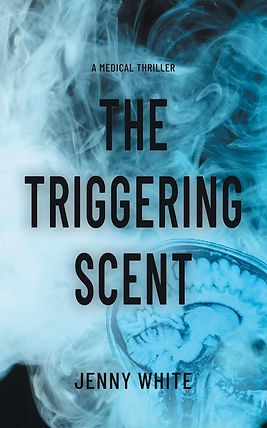
1. The Triggering Scent by Jenny White: Medical Thriller Authenticity
Jenny White's debut novel centers on Abbey Roberts, a registered nurse navigating high-stakes hospital drama with the clinical precision only a retired RN could deliver. The story weaves authentic medical detail, real ICU protocols, and genuine patient scenarios into a suspenseful narrative that never sacrifices accuracy for plot convenience. Abbey's background mirrors White's own journey as a brain tumor survivor, lending profound understanding of recovery, resilience, and the psychological aftermath of life-threatening illness.
What sets The Triggering Scent apart is its refusal to romanticize nursing. White shows Abbey as fully realized, capable, flawed, and shaped by daily moral dilemmas. The novel explores ethical questions textbooks don't address: What happens when you suspect a colleague of negligence? How do you advocate for a patient when the system works against you?

The Triggering Scent has achieved bestseller status, validating what nurses know: stories grounded in authentic clinical practice resonate deeply with readers seeking truth over melodrama.
Pro Tip [Medical thrillers written by healthcare professionals](/post/what-is-medical-thriller-fiction) include details purely fictional accounts miss, the specific beep of a monitor alarm, the texture of medication side effects, unspoken communication between experienced nurses. These details signal authenticity to readers with healthcare backgrounds.
2. Intensive Care: The Story of a Nurse by Echo Heron: Real-World Critical Care
Echo Heron's Intensive Care is a New York Times bestselling autobiographical account of a critical care nurse's ten years in the ICU and emergency room. Originally published in 1987 and revised in 2024 with photographs, Heron's narrative blends emotion, humor, and medical drama, capturing the rhythm of critical care work, long stretches of routine punctuated by moments of terror, bonds formed in crisis, and the psychological cost of bearing witness to suffering.
Heron's candor about the emotional toll distinguishes this account. She doesn't shy away from describing trauma of patient loss, guilt of missed diagnoses, or the dark humor that sustains ICU staff through impossible shifts. For healthcare workers, this book validates their experiences. For outsiders, it offers an unflinching window into what critical care nursing actually demands.
3. Behind the Nurse's Smile by Nicole Moore: Burnout and Resilience
Nicole Moore's Behind the Nurse's Smile is fiction rooted in the real experiences of a critical care float nurse. The novel addresses the specific burden of burnout, exploring what happens when compassion fatigue reaches a breaking point and a nurse must choose between her career and mental health.
The title carries weight: the smile is the professional facade; behind it is exhaustion and moral distress. Moore frames burnout not as personal failing but as a structural problem, staffing shortages, impossible workloads, and a healthcare system treating nurses as interchangeable resources.
4. Rest and Be Thankful by Emma Glass: Pediatric ICU Night Shifts
Emma Glass's slim but emotionally intense novel focuses on a pediatric ICU nurse working night shifts in a London hospital. At 160 pages, Rest and Be Thankful packs psychological intensity that longer novels often fail to achieve. Glass alternates between lyrical passages and clinical detail, mirroring the nurse's internal experience, constant oscillation between emotional engagement and necessary detachment.
The focus on pediatric ICU introduces moral complexity that adult ICU work doesn't fully capture. Parents are present, desperate, sometimes angry. The nurse becomes a conduit for parental hope and bearer of impossible news. Glass captures this with devastating precision.
5. She's Not Sorry by Mary Kubica: Psychological Thriller with ICU Nurse Protagonist
Mary Kubica's She's Not Sorry features an ICU nurse protagonist entangled in a patient's mysterious past. The protagonist is a single parent juggling ICU work's emotional intensity and physical exhaustion while managing her own trauma.
What makes Kubica's approach valuable is her refusal to separate the nurse's professional life from personal struggles. The novel shows how ICU work seeps into relationships, shapes parenting decisions, and creates persistent anxiety about health and mortality.
Watch Out Thrillers featuring healthcare professionals can resort to sensationalism, depicting ethical violations as plot devices. The best medical thrillers use authentic scenarios and genuine professional dilemmas rather than invented crises to drive suspense.
Medical Fiction ICU: How Authors Research Authenticity
The difference between credible medical fiction and Hollywood nonsense comes down to research. Readers with healthcare backgrounds detect inaccuracy within pages, a wrong medication name, impossible clinical timeline, or misrepresented scenario, and once detected, that inaccuracy breaks trust between author and reader.
Jenny White's approach exemplifies this commitment. As a retired registered nurse and brain tumor survivor, she brings lived experience to every clinical detail. She doesn't invent medical scenarios; she draws from actual practice, ensuring protocols, equipment, and decision-making processes reflect real ICU work. Other authors employ different research strategies: Echo Heron documented her own experiences in real-time, while Mary Kubica and Emma Glass likely interviewed nurses extensively. The common thread: authentic medical fiction requires authors to respect the complexity of healthcare work, not just technical aspects but emotional and ethical dimensions that define the profession.
Nursing Novels Realistic: Comparing Fiction to Actual ICU Practice
A novel doesn't need to document every ICU detail to be true to the profession's essential reality. The best medical fiction often simplifies technical details to focus on what matters most: the human experience of providing and receiving critical care.
Aspect | Fictional Portrayal (Best Practice) | Actual ICU Practice |
Patient Advocacy | Nurse questions orders, advocates for patient autonomy | Nurses regularly challenge physician decisions, navigate power dynamics |
Emotional Toll | Character shows burnout, trauma, moral distress | Compassion fatigue, PTSD, and moral injury are documented occupational hazards |
Staffing | Understaffed units, exhausted nurses | Average ICU nurse-to-patient ratio 1:2; burnout rates exceed 50% |
Patient Communication | Nurse explains complex medical information to families | Nurses spend significant time translating medical jargon for families |
Character confronts end-of-life decisions, family conflicts | Nurses regularly navigate conflicts between patient wishes, family expectations, and medical recommendations | |
Recovery Trajectory | Patient's physical and psychological recovery is shown | Post-ICU syndrome and psychological recovery often extend months or years |
The most realistic medical fiction gets the emotional truth right, even if it simplifies clinical details.
Patient Advocacy and Communication in Fiction
Patient advocacy is the heart of nursing practice, yet often invisible in popular media. In The Triggering Scent, Abbey Roberts's advocacy involves navigating institutional power structures and questioning authority when necessary. This reflects reality: patient advocacy in ICUs isn't heroic individualism but sustained, often thankless work within systems that don't always prioritize patient autonomy.
Nurses often become translators, explaining what "sepsis" means, holding families' hands while delivering news of complications, advocating for palliative care when cure is no longer possible.
Ethical Dilemmas and Moral Distress Portrayed in Stories
Ethical dilemmas in ICU fiction aren't abstract puzzles. They're concrete and urgent: Should a patient on a ventilator be extubated when the family insists on continuing life support despite a grim prognosis? How does a nurse advocate when patient wishes conflict with family expectations? What happens when a nurse suspects colleague negligence?
These dilemmas appear repeatedly because they're central to nursing. Unlike physicians with authority to make final decisions, nurses operate in positions of influence without control. They see what's happening to patients more intimately, often spending 12 hours at a bedside, yet lack formal authority to make treatment decisions. This creates moral distress, psychological pain from being unable to act according to one's values. Research shows moral distress significantly predicts burnout and exit from the profession.
Books by ICU Nurses: Firsthand Accounts in Fiction Form
There's a crucial distinction between novels about ICU nurses and novels by ICU nurses. The latter carries the authority of lived experience. When Echo Heron writes about recognizing a patient's deterioration, or when Jenny White describes the psychological aftermath of surviving a brain tumor, they're drawing from memory and embodied knowledge.
Non-nurse authors can write credibly about ICU work, Mary Kubica and Emma Glass aren't nurses, yet their novels capture genuine emotional truths. But novels by ICU nurses offer something distinct: insider understanding of healthcare culture, language, and unspoken codes. Heron's Intensive Care offers direct access to an ICU nurse's actual experience. Nicole Moore's Behind the Nurse's Smile, written by a critical care float nurse, brings the perspective of someone who moves between ICU units. Jenny White's The Triggering Scent combines healthcare professional precision with thriller narrative sophistication.
Best For Readers who work in healthcare and want fiction that validates their professional experience without sentimentalizing it. These novels treat nursing as serious, skilled work while acknowledging its emotional and ethical complexity.
Healthcare Fiction: The Evolution of ICU Nurse Portrayal Over Time
How ICU nurses are portrayed in fiction has shifted dramatically over two decades. Early medical dramas focused on physicians, relegating nurses to supporting roles. Beginning in the early 2000s, a new wave of healthcare fiction centered nursing perspectives, coinciding with growing public awareness of the nursing shortage and increased attention to healthcare worker burnout.
Modern ICU fiction grapples with psychological complexity of the work, moral injury of bearing witness to suffering, trauma of patient loss, compassion fatigue accumulating over years. There's also been a shift in how ICU nurses are depicted as moral agents. Rather than passive implementers of physician orders, contemporary fiction shows nurses as active decision-makers navigating complex ethical terrain.
Common Themes in ICU Nurse Fiction: Trauma, Compassion Fatigue, and Recovery
Across these diverse stories, certain themes recur because they reflect the actual psychological and emotional reality of ICU nursing work.
The Emotional Toll and Stress of ICU Work
Compassion fatigue, emotional exhaustion from extended exposure to others' suffering, appears in virtually every serious work of ICU nurse fiction. In Emma Glass's Rest and Be Thankful, the protagonist's exhaustion manifests as numbness. She performs duties with technical precision but feels increasingly disconnected from people she's caring for. This realistically portrays how compassion fatigue works: not as dramatic breakdown but as gradual erosion of emotional capacity.
Jenny White's The Triggering Scent explores how ICU work can trigger personal trauma. Abbey Roberts, a brain tumor survivor, finds that caring for critically ill patients reactivates her own vulnerability and mortality. The stress of ICU work also manifests physically, exhaustion that sleep doesn't cure, anxiety persisting even on days off, hypervigilance following nurses home.
Patient-Family Relationships and ICU Diaries
ICU diaries have emerged as powerful tools for patient and family recovery. When patients are sedated for extended periods, they often have no memory of their ICU stay. ICU diaries, written accounts of what happened, who was present, what the patient experienced, help bridge this gap and facilitate psychological recovery.
Several works of ICU nurse fiction incorporate the diary concept, recognizing its role in post-ICU recovery. Emma Glass's novel emphasizes the nurse's role in facilitating family connection during ICU stays. When patients can't communicate, nurses become conduits for family presence, interpreting nonverbal cues and bearing witness to moments of profound intimacy and grief.
Why Nurses and Healthcare Workers Read ICU Fiction
Healthcare workers read ICU fiction for different reasons than general audiences. For nurses, reading fiction that authentically portrays their profession serves multiple functions: validation, processing, and catharsis.
Validation matters profoundly. When a nurse reads a novel that accurately captures the emotional weight of critical care work, she feels seen. The profession's invisible labor, emotional intelligence required to communicate with frightened families, moral reasoning involved in patient advocacy, psychological toll of repeated loss, becomes visible.
Processing trauma is another function. ICU work exposes nurses to human suffering at an intensity most people never experience. Reading fiction that explores this honestly helps nurses understand their own responses and feel less alone. For non-healthcare readers, ICU fiction offers access to a world most people never enter, building empathy for healthcare workers and raising important questions about healthcare, mortality, and what we value in medicine.
Conclusion
The stories we've explored, from Jenny White's medical thriller authenticity to Echo Heron's unflinching memoir, from Mary Kubica's psychological complexity to Emma Glass's intimate portrayal of night shifts, share a common commitment: they treat ICU nursing as serious, skilled work worthy of serious, skilled storytelling.
ICU nurse experiences in fiction matter because they make visible what healthcare systems often keep hidden. They show the moral weight of critical care, the emotional cost of compassion, and the resilience required to sustain a career in a profession that demands so much.
If you're drawn to stories exploring resilience, ethical complexity, and the intersection of trauma and recovery, Jenny White's The Triggering Scent offers exactly this. Written by a retired registered nurse and brain tumor survivor, the novel combines authentic medical detail with intense emotional depth, delivering immersive reading that leaves you with something to think about long after you finish.
Frequently Asked Questions
What makes ICU nurse experiences in fiction different from other medical dramas?
ICU nurse experiences in fiction focus specifically on the critical care perspective, patient advocacy, ethical dilemmas, compassion fatigue, and the emotional toll of caring for life-threatening illnesses. Unlike general medical dramas that emphasize doctors, these stories center nursing practice, including communication with families, mechanical ventilation decisions, and post-ICU syndrome recovery. Authors like Jenny White, who is a retired RN, bring authenticity to how nurses navigate moral distress and resilience in high-stakes environments.
Are nursing novels realistic about ICU work, or do they romanticize the profession?
The best nursing novels realistic portrayals, like Intensive Care by Echo Heron and Behind the Nurse's Smile by Nicole Moore, address burnout, staffing shortages, and the cost of caring honestly. They don't romanticize; instead, they validate the emotional and physical demands of critical care. However, some fiction does dramatize situations for narrative tension. Healthcare workers often appreciate stories that balance the heroics of ICU nursing with its genuine human toll, showing both trauma and transformation.
Can reading books by ICU nurses help aspiring nurses understand the profession better?
Yes. Books by ICU nurses provide authentic insights into clinical practice, patient outcomes, and the realities of critical care that textbooks don't capture. Stories like The Triggering Scent and Intensive Care: The Story of a Nurse offer firsthand accounts of managing mechanical ventilation, communicating with families during life-threatening illnesses, and processing the emotional weight of patient care. These narratives help aspiring nurses develop empathy and understand the resilience required for the profession.
How does healthcare fiction portray the impact of COVID-19 on ICU nurses?
Recent healthcare fiction increasingly addresses the pandemic's toll on critical care workers, examining staffing shortages, moral distress, and trauma. Stories explore how ICU nurses processed grief, maintained compassion fatigue while facing unprecedented demand, and found resilience. Narrative medicine and storytelling have become vital tools for healthcare workers to process these experiences. Some fiction also examines post-ICU syndrome (PICS) recovery for patients, showing how nurses advocate for long-term patient outcomes beyond the acute crisis.
This article was written using GrandRanker


Comments