



Fiction About ICU Recovery: 10 Engaging Stories
Table of Contents
Why Fiction About ICU Recovery Matters
How Engaging Fiction Supports Critical Care Survivorship Bibliotherapy for ICU Survivors Narrative Medicine and Patient-Centered Recovery
Bibliotherapy for ICU Survivors
Narrative Medicine and Patient-Centered Recovery
10 Best Books About Medical Trauma Recovery 1. The Triggering Scent by Jenny White 2. Cutting for Stone by Abraham Verghese 3. The Hospital at the End of the World by Justin C. Key 4. The Fault in Our Stars by John Green 5. Regeneration by Pat Barker 6. One by Sarah Crossan 7. The Dark Circle by Linda Grant 8. Sweet Bean Paste by Yoko Ogawa 9. The Vines by Shelley Nolden 10. Every Deep-Drawn Breath (Memoir-Fiction Hybrid)
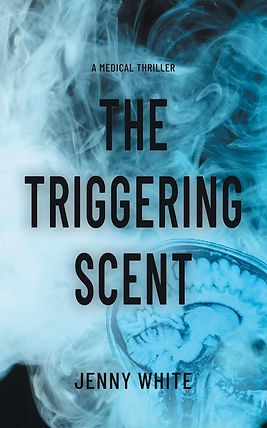
1. The Triggering Scent by Jenny White
2. Cutting for Stone by Abraham Verghese
3. The Hospital at the End of the World by Justin C. Key
4. The Fault in Our Stars by John Green
5. Regeneration by Pat Barker
6. One by Sarah Crossan
7. The Dark Circle by Linda Grant
8. Sweet Bean Paste by Yoko Ogawa
9. The Vines by Shelley Nolden
10. Every Deep-Drawn Breath (Memoir-Fiction Hybrid)
Therapeutic Reading for ICU Patients: Curated Fiction vs. Memoir Why Fiction Differs from Memoir in Recovery Narratives Diverse Cultural Representations of ICU Recovery in Literature
Why Fiction Differs from Memoir in Recovery Narratives
Diverse Cultural Representations of ICU Recovery in Literature
Selecting Stories That Match Your Recovery Journey Reading During Post-ICU Syndrome: Accessibility Matters Building Your Therapeutic Reading List
Reading During Post-ICU Syndrome: Accessibility Matters
Building Your Therapeutic Reading List
The Role of Family and Loved Ones in Shared Reading
Conclusion: Finding Healing Through Engaging Stories
Fiction About ICU Recovery: 10 Engaging Stories
Last Updated: July 15, 2026
Engaging fiction about ICU recovery offers what clinical memoirs cannot: space to explore the emotional depths of critical illness through storytelling. These narratives help ICU survivors, family members, and healthcare workers process trauma, resilience, and transformation. This guide explores 10 compelling books that blend medical authenticity with emotional resonance, offering therapeutic reading for anyone touched by the ICU experience.
Why Fiction About ICU Recovery Matters
Many ICU survivors experience post-traumatic stress, fragmented memory, and difficulty reintegrating into normal life, symptoms known as post-ICU syndrome (PICS). Fiction provides a unique therapeutic pathway that clinical literature cannot match.
Unlike medical textbooks, fiction allows readers to inhabit the internal experience of critical illness. When you read a character navigating mechanical ventilation or ICU delirium, you're processing emotional truth through narrative. Fiction creates psychological distance, you're reading about a character, not yourself, which makes traumatic experiences feel more manageable.
Pro Tip Many ICU survivors find that reading stories of others' recovery journeys helps normalize their own fragmented memories and emotional responses.
How Engaging Fiction Supports Critical Care Survivorship
Fiction serves as a bridge between the clinical reality of intensive care and the deeply personal experience of recovery. When a character struggles with ICU delirium or confronts the gap between who they were before and who they are after critical illness, readers recognize their own journey reflected back.
Bibliotherapy for ICU Survivors
Bibliotherapy, the therapeutic use of literature to promote healing, has emerged as an evidence-informed intervention for critical care survivorship. For ICU patients and families, bibliotherapy normalizes the experience, models recovery trajectories, and creates narrative coherence that fragmented ICU memories lack.
During acute recovery phases, many ICU survivors lack cognitive capacity for dense medical literature. Fiction, particularly novels with shorter chapters, can be read in manageable bursts without requiring sustained concentration.
Narrative Medicine and Patient-Centered Recovery
Narrative medicine emphasizes that meaning-making is central to healing. When you read fiction about critical care survivorship, you're engaging in narrative medicine. The author transforms raw clinical experience into structured story with character development, conflict resolution, and emotional arcs.
Patient-centered recovery acknowledges that ICU survivors must integrate psychological and spiritual dimensions of having faced mortality. Fiction excels at exploring these dimensions in ways clinical interventions cannot.
Key Takeaway Fiction transforms the clinical reality of ICU recovery into emotionally coherent narratives that validate the survivor's experience and model pathways toward meaning-making and resilience.
10 Best Books About Medical Trauma Recovery
1. The Triggering Scent by Jenny White
The Triggering Scent launches the Abbey Roberts RN series with a protagonist whose background mirrors Jenny White's own journey as a retired registered nurse and brain tumor survivor. This medical thriller weaves authentic hospital settings with intense emotional narratives, exploring how healthcare workers navigate their own trauma while caring for critically ill patients.
The novel's strength lies in its unflinching portrayal of the ethical dilemmas and psychological toll of intensive care. The immersive reading experience and suspenseful pacing make it accessible even for readers with limited cognitive energy during recovery.

Best for: Healthcare workers and ICU survivors seeking authentic medical drama with emotional resonance.
2. Cutting for Stone by Abraham Verghese
Cutting for Stone follows twin brothers born in an Ethiopian mission hospital, tracing their lives through medical training and personal crisis. Written by a physician, the novel offers deeply researched medical details while exploring the profound limits of medical intervention.
The novel's exploration of long-term recovery and trauma unfolds across generations. For ICU survivors, the novel models how critical illness becomes a pivot point that redirects life rather than ending it.
Best for: Readers who enjoy literary fiction with strong medical foundations and multi-generational character arcs.
3. The Hospital at the End of the World by Justin C. Key
The Hospital at the End of the World offers a speculative thriller exploring the intersection of technology and patient care. Set in a near-future where AI-driven medicine clashes with human-led care, the novel follows a medical student uncovering family secrets while navigating institutional power dynamics.
The fast-paced structure engages readers with limited attention spans. For survivors questioning their care or grappling with institutional trauma, this perspective offers validation.
Best for: Readers who prefer high-stakes thrillers interested in exploring medical ethics and institutional power dynamics.
4. The Fault in Our Stars by John Green
The Fault in Our Stars follows two teenagers navigating life, love, and serious medical conditions requiring ongoing hospital care. The characters grapple with what it means to live in the shadow of mortality and find meaning in relationships rather than cure narratives.
The accessible prose and emotionally engaging narrative suit readers with limited cognitive capacity during recovery.
Best for: Readers seeking emotionally moving stories that validate the experience of living with serious illness.
5. Regeneration by Pat Barker
Regeneration explores psychological recovery in a historical context, set in a WWI military hospital where soldiers undergo treatment for shell shock and trauma. The novel focuses on the patient-doctor relationship and psychological dimensions of recovery.
The relatively short chapters make the novel accessible for readers with limited sustained attention. The historical setting provides psychological distance while psychological themes remain immediately relevant to contemporary ICU survivors.
Best for: Readers who enjoy literary fiction exploring psychological dimensions of trauma and recovery.
6. One by Sarah Crossan
One is written entirely in free verse, making it distinctly accessible for readers with limited cognitive energy. The novel follows conjoined twins facing a life-altering medical decision and subsequent hospital experience.
The free-verse format allows readers to absorb meaning in short bursts without requiring sustained linear attention. For ICU survivors struggling with post-ICU syndrome and cognitive impairment, this format provides meaningful literature without overwhelming diminished attention capacity.
Best for: Readers who want powerful, quick-reading stories that don't require long periods of sustained concentration.
7. The Dark Circle by Linda Grant
The Dark Circle offers historical perspective on medical recovery and institutional life. Set in a post-WWII sanatorium, the novel focuses on patients undergoing long-term recovery and the social dynamics of hospital communities.
Rather than emphasizing plot momentum, the narrative dwells on the internal lives of patients and the gradual processes of healing. For ICU survivors, this pacing mirrors recovery's reality, a slow, sometimes imperceptible process of rebuilding.
Best for: Fans of historical fiction who appreciate slow-burn character development and institutional settings.
8. Sweet Bean Paste by Yoko Ogawa
Sweet Bean Paste offers a gentle, fable-like story about an elderly woman with a history of medical confinement and her relationship with a young baker. The narrative explores stigma, recovery, and the redemptive power of human connection.
The soothing, low-stress reading experience makes it ideal for readers in acute recovery phases. The novella format allows readers to complete the narrative in a few sittings, providing a sense of accomplishment valuable during recovery.
Best for: Readers seeking calm, hopeful, and gentle stories during early recovery phases.
9. The Vines by Shelley Nolden
The Vines presents a high-tension survival story set in an abandoned quarantine hospital, featuring a protagonist with a unique immune system. The novel blends medical history with suspense, offering engaging mystery elements alongside themes of resilience and survival.
The fast-paced plot keeps readers engaged without requiring deep emotional investment in trauma processing. For survivors seeking escape and engagement rather than therapeutic processing, the novel's suspenseful structure provides valuable distraction.
Best for: Readers who enjoy medical-themed thrillers and survival stories.
10. Every Deep-Drawn Breath (Memoir-Fiction Hybrid)
Every Deep-Drawn Breath occupies a unique position as a blend of memoir and medical science that reads like a compelling medical detective novel. The narrative unfolds like a mystery, following investigation into why ICU survivors struggle with cognitive impairment, weakness, and psychological symptoms long after discharge.
The book's focus on patient advocacy and humanistic care offers validation for survivors questioning their experiences. By explaining the physiological basis for post-ICU syndrome, the narrative helps survivors understand that their struggles are real and increasingly recognized by the medical community.
Best for: Patients and families seeking deeper understanding of the ICU recovery process and validation that post-discharge symptoms are real and recognized.
Book Title | Format | Best For | Recovery Phase |
The Triggering Scent | Medical thriller | Healthcare workers, authentic medical drama | Mid to late recovery |
Cutting for Stone | Literary fiction | Multi-generational narratives | Late recovery |
The Hospital at the End of the World | Speculative thriller | Ethics exploration, limited attention | Early to mid recovery |
The Fault in Our Stars | Contemporary fiction | Emotional validation, accessible prose | Early to mid recovery |
Regeneration | Historical literary fiction | Psychological insight, short chapters | Mid recovery |
One | Free-verse novel | Severe cognitive impairment, accessibility | Early recovery |
The Dark Circle | Historical fiction | Contemplative reading, patient community | Mid to late recovery |
Sweet Bean Paste | Novella | Gentle narratives, soothing tone | Early recovery |
The Vines | Medical thriller | Plot-driven engagement, escape | Early to mid recovery |
Every Deep-Drawn Breath | Memoir-fiction hybrid | Understanding PICS, patient advocacy | Mid to late recovery |
Therapeutic Reading for ICU Patients: Curated Fiction vs. Memoir
Why Fiction Differs from Memoir in Recovery Narratives
Memoir offers the authenticity of lived experience; fiction offers the freedom to explore emotional truth without literal accuracy constraints. A fictional character's ICU experience may capture universal truths, confusion, fear, disorientation, slow rebuilding of self, that individual memoirs miss.
For therapeutic purposes, fiction allows readers to process difficult emotions through narrative distance. Memoir demands that readers confront literal reality, which can be profoundly moving but also retraumatizing for survivors in early recovery phases. The best therapeutic reading often combines both approaches: fiction during acute recovery phases when cognitive capacity is limited, then memoir in later phases when capacity for literal testimony increases.
Diverse Cultural Representations of ICU Recovery in Literature
A significant gap in ICU recovery literature is the underrepresentation of diverse cultural perspectives on critical illness and recovery. The novels listed above represent primarily Western, English-language narratives. Yet experiences of critical illness vary substantially across cultural contexts.
Some cultures emphasize family-centered care models differing from Western individualistic patient autonomy. Some traditions incorporate spiritual or religious frameworks for understanding illness and recovery that Western medical narratives often overlook.
Watch Out Seek narratives that present diverse perspectives as valid frameworks rather than as problems to be solved by Western medicine.
Selecting Stories That Match Your Recovery Journey
Reading During Post-ICU Syndrome: Accessibility Matters
Post-ICU syndrome encompasses cognitive impairment, physical weakness, and psychological symptoms that persist long after discharge. These symptoms directly impact reading capacity. Survivors with significant cognitive impairment may struggle with dense prose, complex narrative structures, or lengthy chapters.
Accessibility means matching the novel to your current capacity. Early recovery phases may require very accessible options: short novels, simple narratives, engaging plots that don't demand deep concentration. As cognitive function improves, you can gradually transition to more complex literature.
Building Your Therapeutic Reading List
Start by identifying what you need from reading in your current recovery phase. Are you seeking validation? Escape and distraction? Processing trauma? Hope and models of resilience?
In early recovery, prioritize accessibility and emotional safety. Choose books with engaging plots, shorter chapters, and accessible prose. Sweet Bean Paste, The Vines, or One might be ideal choices.
As cognitive function improves and emotional stability increases, gradually introduce more complex, emotionally demanding narratives. Cutting for Stone, Regeneration, or The Dark Circle might become more manageable and rewarding.
Throughout recovery, alternate between fiction and memoir, between plot-driven narratives and character-driven explorations, between contemporary settings and historical perspectives. This variety keeps reading engaging and prevents any single narrative framework from becoming overwhelming.
Conclusion: Finding Healing Through Engaging Stories
The journey through critical illness doesn't end at hospital discharge. Many ICU survivors struggle for months or years with cognitive impairment, physical weakness, psychological trauma, and the existential challenge of rebuilding identity after confronting mortality.
Engaging fiction about ICU recovery journeys offers a pathway through this difficult terrain that clinical interventions alone cannot provide. Stories validate the survivor's experience, model resilience and meaning-making, and create narrative coherence from the fragmentation of critical illness.
Your reading journey is part of your recovery journey. Start where you are, with books matching your current capacity. As you heal, your engagement with literature will deepen and expand. The stories you read during recovery become part of your recovery narrative, not just entertainment, but medicine for the mind and spirit.
Frequently Asked Questions
Can fiction about ICU recovery help patients feel less alone during their healing journey?
Yes. Engaging fiction about ICU recovery journeys validates the psychological and physical experiences survivors face. Stories that authentically portray trauma, memory recall difficulties, and post-ICU syndrome help readers recognize their own struggles in characters, reducing isolation. Narrative medicine research shows that reading relatable patient journeys strengthens emotional resilience and affirms that recovery is possible, making fiction a powerful complement to clinical intervention and support groups.
What makes therapeutic reading for ICU patients different from general medical fiction?
Therapeutic reading for ICU patients prioritizes emotional authenticity and patient-centered recovery narratives over pure medical accuracy. While medical thrillers focus on suspense and hospital drama, therapeutic fiction emphasizes the internal experience of critical care survivorship, cognitive impairment, trauma recovery, family dynamics, and the long-term rehabilitation journey. The best selections balance emotional depth with accessibility, considering that readers may have limited focus during post-ICU syndrome recovery.
Are there novels that accurately depict both the medical and psychological aspects of ICU recovery?
Several do. Books like Cutting for Stone by Abraham Verghese (written by a physician) and The Triggering Scent by Jenny White (written by a retired registered nurse and brain tumor survivor) blend realistic medical details with authentic emotional journeys. These works explore ethical dilemmas, the nursing perspective, and the complexities of rehabilitation while maintaining narrative engagement. They're particularly valuable because authors with medical backgrounds bring credibility to both clinical and psychological dimensions of the patient journey.
How should I choose fiction about medical trauma recovery if I'm still in early recovery?
Prioritize accessibility and emotional tone. If you're experiencing cognitive impairment or limited focus during post-ICU syndrome, choose shorter novels or free-verse formats like One by Sarah Crossan, which is written in verse and can be read in short bursts. Avoid extremely dense narratives. Consider books with gentle, uplifting themes like Sweet Bean Paste if you're emotionally fragile. Start with stories that match your recovery trajectory, lighter reads early on, more intense narratives as you gain strength. Always have a support system ready when exploring trauma-heavy content.
This article was written using GrandRanker


Comments