

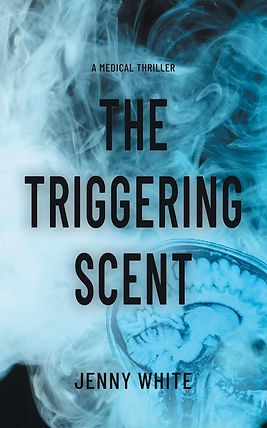


Jenny's Medical Thriller Blog: What makes the best medical thrillers?

Some thriller writers can fake an operating room. Others can make you hear the monitor alarms, smell antiseptic in the air, and feel the split-second terror of a decision that could kill. That difference is exactly why readers go searching for medical thrillers authors instead of settling for generic suspense with a hospital backdrop.
When this subgenre works, it hits hard. It gives you the pressure of a life-or-death emergency, the moral chaos behind closed doors, and the chilling fact that the weapon may not be a gun at all. It could be a chart. A syringe. A delayed diagnosis. A surgeon with something to hide. The best medical thrillers do not rely on blood and jargon alone. They turn medicine into motive, vulnerability into suspense, and survival into something painfully human.
What sets medical thrillers authors apart?
A strong medical thriller is never just a crime novel in scrubs. The genre lives or dies on credibility. Readers want the fear to feel possible. They want the setting to carry weight, whether that means an ICU under pressure, a psychiatric ward thick with tension, or a research lab where ambition outruns ethics.
That is why the most memorable medical thrillers authors tend to bring one of two strengths to the page. Some have direct professional knowledge - doctors, nurses, researchers, or healthcare insiders who understand how institutions work when everything starts to fracture. Others may come from outside medicine, but they know how to build authenticity through disciplined research and emotional precision.
Even then, realism is a balancing act. Too much technical detail can flatten the story. Too little, and the danger feels staged. The writers readers return to are the ones who know when to let the medicine lead and when to let fear, betrayal, obsession, or grief take over.
Medical thrillers authors who shaped the genre
Robin Cook is impossible to ignore in any serious conversation about this field. For many readers, he defined what a medical thriller could be. His novels pushed hospitals, research facilities, and biotech into the centre of suspense fiction and showed how easily trust can collapse inside systems built to save lives. He writes with urgency, and his stories often tap into fears that sit just beneath public confidence in modern medicine.
Michael Palmer also earned a loyal readership by understanding the fault lines inside healthcare. His novels are fast, accessible, and deeply interested in the consequences of greed, corruption, and institutional failure. He knew that medical suspense becomes more frightening when the threat comes from inside the system rather than outside it.
Tess Gerritsen deserves a place in this conversation as well, even though her work moves between medical suspense, crime, and procedural fiction. Her medical training gives her fiction authority, but what makes her stand out is control. She knows how to pace dread. She knows when a clinical detail will sharpen the blade and when a character's fear will do more damage than any diagnosis.
These writers helped train readers to expect more from the genre. Not just pace, but plausibility. Not just danger, but ethical conflict. Not just a body on the table, but a reason you cannot stop turning pages.
What readers want from the best medical thrillers authors
Readers who love this subgenre are not all looking for the same thing. Some want conspiracy and scale - pharmaceutical coverups, illegal trials, manipulated data, botched systems with bodies piling up. Others want intimate terror, the kind that begins with one patient, one nurse, one doctor, and one choice that cannot be undone.
That difference matters when choosing authors. A writer known for big-concept plots may deliver adrenaline and outrage but less emotional intimacy. Another writer may focus on trauma, addiction, memory, or survival, building a slower, darker kind of suspense. Neither approach is wrong. It depends on what kind of fear you want to sit with.
For many readers today, the strongest books are the ones that refuse to separate medical realism from emotional truth. They want flawed people under extreme pressure. They want illness and injury handled with gravity, not used as props. They want the medicine to matter because the people matter.
Why authenticity matters in medical thriller fiction
Readers can tell when a hospital setting is decoration. They can also tell when a writer understands the emotional temperature of a clinical crisis - the way exhaustion distorts judgment, the way hierarchy silences people, the way one moment of inattention can turn catastrophic.
That is why lived experience changes the reading experience. A writer with frontline healthcare knowledge often sees details that others miss. Not just procedure, but atmosphere. The false calm before a code. The politics between departments. The private cost of carrying life-and-death decisions home after a shift. Those details do not slow a thriller down. In the right hands, they make it more dangerous.
Authenticity also matters in how suffering is portrayed. Medical suspense can easily become sensational if it treats patients as plot devices. The best authors resist that impulse. They understand vulnerability from the inside. They know that fear is not abstract when it lives in a body.
That is part of what makes this genre so powerful for readers who have survived illness, worked in healthcare, or watched someone they love fight through it. A good medical thriller entertains. A great one leaves a mark because it understands what survival costs.
Newer directions medical thrillers authors are taking
The genre has widened. Traditional hospital-based suspense still works, but readers are also finding gripping stories in addiction medicine, mental health settings, trauma recovery, reproductive ethics, long-term care, and the hidden damage left by misdiagnosis or abuse of power.
That shift is a good one. It reflects the fact that medicine is not only about surgery and emergency rooms. It is also about memory, consent, stigma, dependency, grief, and the brutal question of who gets believed. These themes deepen suspense because they raise the stakes beyond physical danger.
Writers drawing from nursing, caregiving, or patient experience often bring a different force to the page than novels centred only on surgeons or elite specialists. They see what happens after the dramatic moment. They understand the bedside reality, the quiet panic, the human fallout. That perspective can make a thriller feel more intimate and, in many cases, more unsettling.
For readers who want that level of realism and emotional weight, authors with firsthand healthcare backgrounds often stand apart. Jenny White, for example, writes from more than 30 years of nursing experience and personal survival through cancer and brain tumours. That kind of authority does not just add detail. It changes the pulse of the story.
How to choose the right medical thrillers authors for you
Start with your threshold for technical detail. If you enjoy clinical precision and institutional conspiracy, classic genre leaders may be your best entry point. If you prefer character-driven suspense with psychological strain and moral complexity, look for authors who place trauma and survival at the centre of the story.
Also pay attention to tone. Some medical thrillers are cleanly commercial and plot-forward. Others are darker, more emotionally bruising, and less interested in easy justice. If you want a book club conversation as much as a page-turner, choose writers who are willing to sit with ethical ambiguity.
Finally, consider what kind of authenticity matters most to you. Professional credentials can add trust, but lived patient experience can bring a different depth. The strongest books often come from writers who understand both the machinery of medicine and the terror of depending on it.
The lasting pull of medical thrillers authors
There is a reason this genre keeps finding readers. Medicine is supposed to be where we go for answers, safety, and rescue. A thriller knows how quickly that promise can turn. One wrong medication. One hidden motive. One respected professional with blood on their conscience. The setting already carries fear before the first twist lands.
But the best medical thrillers authors offer more than danger. They write about bodies that fail, systems that crack, and people who keep fighting anyway. They understand that suspense is sharpest when it cuts close to real life. For readers who want fiction with pulse, credibility, and scars, this genre remains one of the most gripping places to look.
If you are choosing your next read, do not just ask which author is popular. Ask whose stories feel earned. The answer is usually where the real suspense begins.


Comments