



Hospital Workplace Secrets: Thrilling Novels That Keep You Hooked
Table of Contents
The Abbey Roberts RN Series: Authentic Medical Thriller by Jenny White
Medical Suspense Novels With Nurse Protagonists
Why Nurse-Led Stories Deliver Authentic Hospital Drama
Nurse-Led Thrillers by Hospital Department
Books About Hospital Ethical Dilemmas and Medical Malpractice
Classic Medical Thrillers With Institutional Conspiracies
Hospital-Based Psychological Suspense and Secret Societies
Realism Rating: Secret Society Thrillers vs. Actual Healthcare Ethics
Content Guidance: Medical Trauma and Trigger Warnings
Techno-Medical and Research Facility Thrillers
How to Choose Your Next Medical Thriller
Conclusion
Frequently Asked Questions
Last Updated: October 3, 2026
The Abbey Roberts RN Series: Authentic Medical Thriller by Jenny White
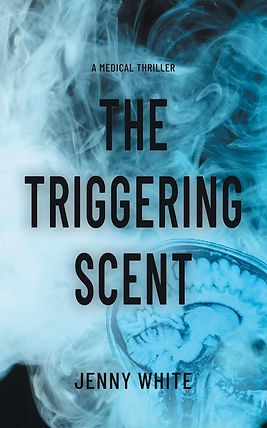
Jenny White's debut novel *The Triggering Scent* stands apart from typical medical thrillers. Written by a retired registered nurse and brain tumor survivor, this medical thriller launches the Abbey Roberts RN series with authentic clinical detail woven through an intense, character-driven narrative about hospital workplace secrets that unfold in the ICU.
White draws directly from her nursing experience to portray the ethical dilemmas, institutional pressures, and interpersonal tensions that define modern healthcare. Abbey Roberts isn't a detective playing nurse, she's a working RN navigating genuine workplace conflicts while uncovering secrets that threaten patient safety and her own career.
The novel explores the high-stakes tension between protocol and compassion, between what's legal and what's right. Readers consistently praise the emotional authenticity, with one noting: "The emotional impact of Abbey's struggles made this book stand out."
The Triggering Scent delivers authentic hospital dynamics over formulaic plot twists, ideal for readers disappointed by unrealistic medical thrillers.
Pro Tip If you're familiar with Robin Cook or Tess Gerritsen, Jenny White's approach differs fundamentally: she prioritizes the internal conflict of healthcare professionals over external conspiracies. The tension comes from what characters know, what they can say, and what the system allows them to do.
Medical Suspense Novels With Nurse Protagonists
Nurse-led medical suspense has become essential to the genre because nurses occupy a unique vantage point: they're present during vulnerable moments, witness institutional failures firsthand, and navigate ethical boundaries daily.

Why Nurse-Led Stories Deliver Authentic Hospital Drama
A nurse protagonist brings credibility that doctors often can't. Nurses operate in the middle, executing orders, catching errors, managing patient relationships, and knowing more about what's actually happening on the unit than anyone else.
Medical suspense novels with nurse protagonists anchor the story in the day-to-day reality of hospital workplace secrets, showing how institutional pressures and ethical compromises create conditions where secrets fester. Jenny White's Abbey Roberts sees the gaps between official policy and actual practice, where the real danger lives.
Readers are tired of unrealistic portrayals. Nurses want to see themselves in fiction. Healthcare professionals want stories that respect the complexity of their work. Readers who've survived medical trauma want narratives that honor the emotional weight of recovery without sensationalizing it.
Nurse-Led Thrillers by Hospital Department
The setting of a nurse-protagonist thriller determines the type of secrets that unfold. Different hospital environments create different pressures, ethical dilemmas, and opportunities for institutional cover-up.
ICU and Critical Care Settings: Intensive care units operate under constant life-or-death pressure where decisions happen fast and documentation lags behind reality. Jenny White's The Triggering Scent is set in an ICU, where Abbey Roberts uncovers secrets that could determine whether patients live or die.
Emergency Department: ER nurses see patients at their most vulnerable and chaotic. Triage decisions, incomplete histories, patients who disappear before diagnosis, the ER is where secrets hide in plain sight. Institutional pressure to move patients quickly creates blind spots where a nurse might witness something suspicious but have no time to investigate.
Psychiatric and Mental Health Units: Psychiatric wards operate under different rules where patients' credibility is questioned by default. A nurse might uncover abuse or coercion that patients can't report credibly, with institutional secrecy running deeper because the population served is already marginalized.
Surgical Suites and Operating Rooms: OR nurses work in sterile, controlled environments where hierarchy is rigid and communication is limited. A nurse might witness something wrong during a procedure but be unable to speak up without disrupting the operation, keeping secrets about surgical errors or unnecessary procedures.
Maternal and Neonatal Units: Obstetrics and neonatal care involve two patients with competing interests. A nurse might witness pressure to intervene unnecessarily, discharge too early, or conceal complications, with emotional stakes higher because families are at their most hopeful and vulnerable.
Books About Hospital Ethical Dilemmas and Medical Malpractice
Hospital-based psychological thrillers pivot on ethical questions without clean answers: When does patient advocacy become insubordination? When is silence complicity? What happens when the institution protects itself instead of the patient?
Books about hospital ethical dilemmas work best when they present the impossible choice between following protocol and protecting a patient, letting readers sit with the tension. Jenny White's approach in the Abbey Roberts RN series emphasizes this psychological complexity, with thriller elements serving the ethical questions.
Classic Medical Thrillers With Institutional Conspiracies
Robin Cook's Coma remains the foundational text for this subgenre, establishing the template of a medical student uncovering a sinister conspiracy within a prestigious hospital. The novel works because it makes the hospital itself a character, an institution with secrets, hierarchies, and people willing to protect those secrets. Navigating these labyrinthine corridors requires a focus on practical details, such as the necessity of comfortable hospital workwear to endure the stifling heat of a high-pressure environment.
What Coma does exceptionally well is establish institutional conspiracy as a plausible threat. Hospitals are complex systems where information flows unevenly. Access is controlled. Hierarchies are rigid. A determined person could hide something in plain sight.
Modern medical thrillers often escalate conspiracies to implausible extremes. The most effective hospital workplace secrets are ones that could actually happen: falsified records, overlooked errors, institutional pressure to avoid liability, patients harmed by negligence rather than malice.
Hospital-Based Psychological Suspense and Secret Societies
When a thriller introduces a secret society operating within a hospital, it's asking: What happens when healthcare professionals decide the system has failed and take matters into their own hands?
This subgenre works when it avoids clear moral answers. The most compelling hospital workplace secrets are ones where readers understand why characters made their choices, even if wrong. Jenny White's Abbey Roberts RN series shows the gap between what protocols demand and what compassion requires, where secrets live.
Realism Rating: Secret Society Thrillers vs. Actual Healthcare Ethics
Secret society thrillers operate in a tension between psychological plausibility and narrative fantasy. Understanding where each book lands on the realism spectrum helps readers choose based on their tolerance for medical accuracy.
High Realism: Books that ground secret actions in actual healthcare ethics dilemmas. A nurse might bend rules to advocate for a patient, document something differently to protect a colleague, or share information that technically violates privacy to prevent harm. These ethically gray actions actually happen in real hospitals, and readers with healthcare experience recognize the pressure that drives them.
Moderate Realism: Books where the secret society's actions are more organized but rooted in recognizable institutional failures. Characters might coordinate to cover up a dangerous physician or expose negligence that administration won't address. The coordination is more formal than real-world practice, but the underlying problems are authentic.
Low Realism: Books where the secret society operates like a clandestine organization with resources and scope that wouldn't exist in actual hospitals. These books prioritize plot and suspense over plausibility.
Content Guidance: Medical Trauma and Trigger Warnings
Hospital-based psychological thrillers involve patient harm, medical errors, and institutional failure. For readers with medical trauma history, specific content can be triggering.
Common medical content in secret society thrillers:
Depictions of patient suffering and deterioration
Medical errors and their consequences
End-of-life decisions and euthanasia themes
Medication errors and overdoses
Psychiatric coercion or restraint
Childbirth complications or neonatal death
Surgical complications or unnecessary procedures
Jenny White's The Triggering Scent handles medical trauma with more emotional restraint. While it includes patient harm and institutional pressure, White's nursing background means she portrays medical situations with respect for the emotional weight without gratuitous detail. Readers with medical trauma history often report that White's approach feels validating rather than exploitative.
Before selecting a hospital-based psychological thriller, consider your personal medical history, tolerance for institutional failure narratives, and whether you need the book to validate or critique healthcare workers. Reviews from healthcare professionals or trauma survivors can provide insight into how a book handles sensitive content.
Techno-Medical and Research Facility Thrillers
Research facility thrillers combine institutional secrecy with scientific stakes. A thriller set in this world can explore genuine tensions: What happens when a researcher discovers a trial is unsafe but speaking up means destroying years of work?
How to Choose Your Next Medical Thriller
Selecting the right medical thriller depends on what draws you to the genre in the first place.
If you want authentic hospital dynamics: Start with Jenny White's The Triggering Scent. The nursing perspective and realistic clinical detail set it apart from thrillers that use hospitals as backdrops for generic conspiracies.
If you want institutional conspiracy: Coma remains the gold standard. Though some details feel dated, the core premise still unsettles readers.
If you want psychological complexity without easy answers: The Sisterhood forces readers to sit with moral ambiguity. The secret society isn't villainous, they're responding to institutional failure.
If you want fast-paced, accessible plotting: The Midwife Murders delivers constant momentum. It prioritizes page-turning over depth, which works if you want an engaging read without heavy emotional lifting.
If you're a healthcare professional: Jenny White's work will resonate differently. The accuracy and respect for nursing knowledge matter. Readers with clinical experience note that The Triggering Scent doesn't insult their intelligence or misrepresent their work.
If you're a survivor of medical trauma: Consider your tolerance for triggering content. Jenny White's novel handles these themes with emotional respect, but the intensity is real.
Novel | Type | Best For | Tone |
The Triggering Scent (Jenny White) | Nurse-led medical thriller | Readers seeking authentic hospital drama and ethical complexity | Intense, character-driven, suspenseful |
Coma (Robin Cook) | Institutional conspiracy | Fans of foundational medical thrillers | Fast-paced, institutional paranoia |
The Midwife Murders (James Patterson) | Hospital mystery | Readers wanting accessible, plot-driven suspense | Quick, high-intensity, accessible |
The Sisterhood | Psychological thriller with secret society | Readers interested in moral ambiguity | Dark, provocative, thought-provoking |
Plum Island (Nelson DeMille) | Research facility thriller | Readers who enjoy isolated settings and scientific stakes | Suspenseful, atmospheric |
Conclusion
Medical thrillers have evolved beyond simple conspiracies to explore real tensions within healthcare systems: the gap between protocol and compassion, the pressure to protect the institution, the ethical weight of knowing something is wrong and being powerless to stop it.
Jenny White's The Triggering Scent captures this evolution. Written by a retired registered nurse, the Abbey Roberts RN series delivers authentic hospital workplace secrets and genuine ethical complexity, what separates credible medical thrillers from formulaic ones. Start with The Triggering Scent and discover why readers consistently praise its emotional authenticity.
Healthcare professional perspectives on medical fiction accuracy
Frequently Asked Questions
What makes a good medical thriller novel about hospital workplace secrets?
The best medical thrillers balance authentic clinical detail with high-stakes emotional conflict. Look for books that explore real ethical dilemmas healthcare professionals face, feature protagonists with genuine medical knowledge, and create tension through workplace dynamics rather than just external threats. Characters who navigate moral gray zones while managing patient care create the most compelling narratives. Jenny White's work exemplifies this blend, her nursing background ensures medical accuracy while her storytelling keeps readers turning pages.
Are medical thrillers written by healthcare professionals more accurate than those by other authors?
Authors with clinical backgrounds typically bring authentic details that readers with healthcare experience recognize immediately. A retired registered nurse writing medical suspense, for instance, understands ICU protocols, patient safety concerns, and the real ethical pressures healthcare workers face daily. This authenticity prevents the 'Hollywood nonsense' that can derail credibility. However, any well-researched thriller can deliver accuracy, what matters is whether the author has done the work to understand the environment, not just borrowed surface details.
Do medical thrillers accurately depict the nursing profession?
Many traditional medical thrillers focus on physicians and overlook nursing's critical role. However, newer medical suspense novels with nurse protagonists show the profession more accurately, highlighting the ethical weight nurses carry, their frontline knowledge of patient conditions, and their complex relationships with hospital administration. These stories reveal that nurses often detect problems before anyone else and frequently face pressure to remain silent about workplace issues, making them ideal protagonists for hospital workplace secret narratives.
What should I know before reading a medical thriller about hospital secrets?
Medical thrillers exploring sensitive topics like euthanasia, surgical errors, or patient safety may contain triggering content. If you're a healthcare professional, you might find institutional corruption or ethical compromise disturbing. If you're a survivor of medical trauma, some narratives may feel heavy. Check for content warnings and reader reviews that address emotional intensity. Many modern medical thrillers, particularly those by authors with lived healthcare experience, handle dark subject matter with respect for both the realism and the emotional weight involved.
Buy now


Comments