



Best Medical Suspense Books for Nurses in 2026
Table of Contents
Why Medical Suspense Books Hit Different for Nurses
Quick Comparison: Best Medical Suspense Books for Nurses
Medical Thrillers Written by Nurses: The Authenticity Advantage
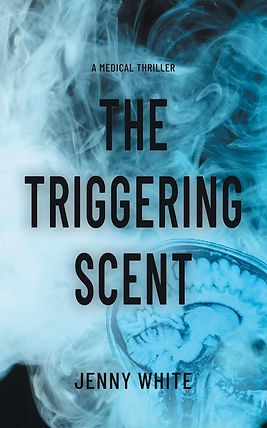
The Triggering Scent by Jenny White
The Good Nurse by Charles Graeber
Psychological Suspense and Locked-Room Thrillers for Healthcare Workers
Ward D by Freida McFadden
The Perfect Nurse by Daniel Hurst
True Accounts and Investigative Medical Thrillers
Bad Blood by John Carreyrou
Historical Medical Mysteries and Audiobooks for Busy Shifts
A Duty to the Dead by Charles Todd
The Nurse by Claire Allan
How to Actually Fit Reading Into a Nursing Schedule
Books for Nurses to Relax: Matching the Read to Your Downtime
Realism vs. Dramatization: What Nurses Notice First
Frequently Asked Questions
Last Updated: October 2, 2026
Why Medical Suspense Books Hit Different for Nurses
Medical suspense books land harder when you've actually hung a drip bag at 3 a.m. and heard a monitor alarm that shouldn't be ringing.
Here's the core problem with most medical fiction: it's written by people who have never worked a code.
But the best medical suspense books for nurses do the opposite. They use clinical expertise as a storytelling tool.
Key Takeaway The best medical suspense books for nurses are the ones where you never once think "that's not how any of this works." Clinical accuracy is the entry ticket, not a bonus feature.

Quick Comparison: Best Medical Suspense Books for Nurses
Title | Author | Subgenre | Best For | |
The Triggering Scent | Jenny White | Medical thriller | Nurses wanting authentic ICU detail | Written by a retired RN |
The Good Nurse | Charles Graeber | True crime | True accounts and hospital safety | Heavily researched |
Ward D | Freida McFadden | Locked-room suspense | Fast, addictive night-shift reads | Some inaccuracies noted |
The Perfect Nurse | Daniel Hurst | Psychological suspense | Readers who want twists over procedures | Light on clinical detail |
Bad Blood | John Carreyrou | Investigative thriller | Ethics and diagnostic failure | Investigative journalism |
A Duty to the Dead | Charles Todd | Historical mystery | Wartime nursing history | Strong historical detail |
The Nurse | Claire Allan | Audio suspense | Commutes and short breaks | Family-centered mystery |
Medical Thrillers Written by Nurses: The Authenticity Advantage
Medical thrillers written by nurses carry something ghostwritten hospital dramas can't buy: lived clinical experience. When the author has actually charted, advocated, and sat with a dying patient, the details stop feeling researched and start feeling remembered.
The Triggering Scent by Jenny White
Jenny White spent years as a registered nurse before writing fiction, and it shows on every page. Her debut, The Triggering Scent, opens the Abbey Roberts RN series with a nurse protagonist who reads like someone you'd actually work a shift with.
What sets it apart from the crowded medical thriller shelf is the ethical core. Abbey faces dilemmas that nurses recognize instantly, the kind that don't have a clean answer, the kind that follow you home. White also writes from a survivor's perspective: she's a brain tumor survivor, and the resilience thread running through the book carries real weight rather than borrowed drama.
Pro Tip Read the first chapter during a break, not before bed. The pacing is built for "one more page," and the ethical tension lands hardest when you're still in work mode.
Pros: Authentic hospital setting and medical details; strong character work; ethical dilemmas handled with care. Cons:
The Good Nurse by Charles Graeber
Charles Graeber's account of a nurse who harmed patients across multiple hospitals is the true-crime counterweight to the fiction on this list. It's a hard read, and it earns its place because it examines nursing culture, oversight gaps, and how systems fail patients.
Pros: Meticulously factual; reads like a thriller despite being nonfiction. Cons: Genuinely disturbing subject matter. Skip it on a rough week.
Psychological Suspense and Locked-Room Thrillers for Healthcare Workers
Psychological suspense trades clinical procedure for atmosphere, which makes it a different kind of escape. For healthcare workers, that shift can be a feature: less work, more tension.
Ward D by Freida McFadden
A medical student, a locked psychiatric ward, one night shift. Ward D is built for readers who want gripping storytelling without a slow build. The claustrophobic setting does the heavy lifting.
Where it falls short: nurses have flagged medical inaccuracies, and if you're clinical, you'll notice. Read it as entertainment, not realism.
Pros: Addictive pacing; strong twists. Cons: Medical detail won't satisfy professionals.
The Perfect Nurse by Daniel Hurst
Domestic suspense with an unreliable narrator and a nursing backdrop. The medical science stays light, so if you want procedure, look elsewhere. If you want an easy, high-suspense read after a brutal shift, this fits.
Pros: Fast and easy to read. Cons: Minimal focus on actual clinical work.
True Accounts and Investigative Medical Thrillers
True accounts hit a different nerve. They remove the comfort of "it's only fiction" and replace it with "this happened."
Bad Blood by John Carreyrou
Carreyrou's investigation into a medical technology company that promised a diagnostic breakthrough and delivered fraud reads like a thriller because the stakes were real: patients making decisions on unreliable results. For anyone in healthcare, the ethics are the draw.
Pros: Exceptionally well-researched; reads fast. Cons: Nonfiction format isn't for everyone.
Historical Medical Mysteries and Audiobooks for Busy Shifts
Historical medical mysteries and audiobooks solve two different problems: a change of era, and a change of format for nurses who can't sit down with a book. Both deserve real attention, because nurses read in fragments, not in long uninterrupted sittings.
A Duty to the Dead by Charles Todd
A nurse protagonist in the First World War, a promise to a dying soldier, and a mystery that follows her home. The atmospheric setting and nursing perspective make it a standout for readers who like history with their suspense.
Pros: Unique historical angle; strong character development; a nursing protagonist written with respect for the role. Cons: Slower pace than modern thrillers.
The Nurse by Claire Allan
An audio-first suspense novel about family secrets and a medical career. For nurses who commute or grab twenty minutes between shifts, audiobooks are often the only realistic reading format. The narration carries the tension, which makes it well suited to a drive home when your eyes are done for the day.
Pros: Convenient; immersive narration; works for commutes and short breaks. Cons:
How to Actually Fit Reading Into a Nursing Schedule
A twelve-hour shift doesn't leave a two-hour reading block. It leaves ten-minute windows. A few patterns that work:
Commute listening. Pair an audiobook with your drive or transit time. This is the single highest-yield slot for most nurses.
Break-room paperbacks. Keep a physical book in your bag for the days you don't want a screen. Short chapters beat long ones.
Post-shift decompression. Choose atmospheric over procedural. You've had enough procedure for one day.
Days off. Save the heavier true accounts and investigative titles for days when you have the emotional bandwidth.
Pro Tip If you're new to audiobooks, start with a title you've already read in print. You'll follow the plot even when your attention drifts on a crowded train.
Books for Nurses to Relax: Matching the Read to Your Downtime
Books for nurses to relax should match your energy, not fight it. After a twelve-hour shift, the wrong book is worse than no book. The right one resets you.
Here's a simple way to choose:
After a hard shift: Something atmospheric and low-stakes. Ward D or The Perfect Nurse.
On days off: Something with weight. The Good Nurse or Bad Blood.
During commutes: Audio. The Nurse.
When you want to feel seen: Medical thrillers written by nurses, starting with The Triggering Scent.
When you want history: A Duty to the Dead.
The goal isn't to read the "best" book. It's to read the book that fits the version of you sitting down with it.
Realism vs. Dramatization: What Nurses Notice First
Realism vs. dramatization is the split that decides whether a medical thriller works for a nurse. Most books lean dramatic: defibrillators used on flatlines, nurses doing surgery, hospitals that ignore every protocol. It sells, but it doesn't convince anyone who's worked a floor.
The books that hold up share a few traits:
Correct scope of practice. Nurses nurse. They don't perform surgery.
Believable pacing. Real codes are loud, fast, and messy, not cinematic.
Ethical weight. The best medical suspense books for nurses treat patient advocacy as a real conflict, not a plot device.
Mental health and burnout realism. The best recent medical fiction increasingly addresses burnout and moral injury, because that's the reality of the job.
Watch Out If a thriller opens with a nurse diagnosing a rare condition and ordering treatment solo, close the book. That's not suspense, that's fantasy, and it undermines every clinical detail that follows.
If you want a book that gets this right, Jenny White's work is a strong starting point. The Abbey Roberts RN series draws on her years as a registered nurse and her own recovery as a brain tumor survivor, which is why the emotional beats land as hard as the clinical ones.
Finding a medical thriller that respects your clinical knowledge is harder than it should be. Too many books treat hospitals as a backdrop and nurses as scenery.
Frequently Asked Questions
What makes a medical thriller feel realistic to healthcare professionals?
Clinical accuracy matters most. Nurses notice when a character uses the wrong terminology, skips infection control, or handles a code blue unrealistically. Books written by registered nurses, like Jenny White's The Triggering Scent, carry that insider perspective because the author worked the floor. Look for authors with clinical backgrounds, realistic hospital hierarchy, and ethical dilemmas that reflect actual practice. Books that treat patient care as a prop rather than a core element tend to lose healthcare readers within a chapter.
Are there medical suspense novels written by actual registered nurses?
Yes. Jenny White is a retired registered nurse and brain tumor survivor whose Abbey Roberts RN series draws directly from her hospital experience. Her debut, The Triggering Scent, blends authentic clinical detail with psychological suspense. Other nurse-authored options exist, but White's dual perspective as both clinician and patient adds a layer of emotional realism that sets her work apart. Medical thrillers written by nurses tend to get the small details right: shift handoffs, charting pressure, and the emotional weight of patient advocacy.
Why do nurses enjoy reading medical thrillers during their downtime?
The appeal is partly familiarity and partly escape. After a twelve-hour shift, reading about a fictional hospital lets nurses process their own experiences from a safe distance. The best medical suspense books for nurses offer gripping storytelling without the administrative burnout of real practice. They also validate the intensity of clinical work. Seeing a nurse protagonist navigate life-and-death situations with competence and moral courage can be genuinely restorative, not just entertaining.
How do I choose between a psychological thriller and a true-crime medical account?
It depends on what you want from the read. Psychological suspense, like Ward D or The Perfect Nurse, delivers fast pacing and plot twists with lighter clinical grounding. True accounts, like The Good Nurse or Bad Blood, offer investigative depth and real-world stakes but carry heavier emotional weight. If you want authenticity plus narrative drive, start with a novel by a nurse author. If you want to understand systemic failures in healthcare, go with the nonfiction titles. Both serve different downtime needs.
Where can I find book recommendations specifically for nursing staff?
Nursing association newsletters, hospital library displays, and online nursing communities often curate reading lists. For a focused starting point, look for titles that combine clinical accuracy with strong character development. Jenny White's website features her Abbey Roberts RN series alongside background on her nursing career and recovery story. Word of mouth among colleagues remains one of the most reliable filters, since nurses tend to recommend books that respect the profession rather than sensationalize it.
Buy now


Comments