




Emotional Impact of Brain Surgery on Family
Updated: Sep 16
Table of Contents
Understanding the Emotional Impact of Brain Surgery on Family
Brain Surgery Personality Changes and Identity Alteration
How Family Dynamics Shift During Recovery
Caregiver Burnout and Brain Tumor Care: What Families Need to Know
Managing Anxiety, Depression, and Stress in the Household
Brain Tumor Support Resources and Professional Help
Finding Resilience and Post-Traumatic Growth
Conclusion
Last Updated: August 29, 2026
Understanding the Emotional Impact of Brain Surgery on Family
When a family member faces brain surgery, the emotional impact extends far beyond the operating room. The emotional impact of brain surgery on family reaches every member of the household, reshaping relationships, triggering unexpected psychological responses, and forcing caregivers into roles they never anticipated. Jenny White's work as both a retired registered nurse and brain tumor survivor gives her unique insight into how these moments unfold, not just clinically, but emotionally and relationally.
The emotional impact brain surgery family dynamics create are profound and often misunderstood. Families report experiencing a whirlwind of anxiety before surgery, followed by a complex recovery period where personality changes, behavioral dysregulation, and the weight of caregiving responsibilities collide. What makes this particularly challenging is that the emotional toll isn't confined to a single person, it ripples through spouses, children, parents, and extended family members, each processing trauma differently.
This guide explores what families actually experience when brain surgery enters their lives. We'll examine the personality and behavioral changes that can shock loved ones, the ways family dynamics shift during recovery, the reality of caregiver burnout, and the mental health support systems that help families survive and eventually grow from the experience.
Brain Surgery Personality Changes and Identity Alteration
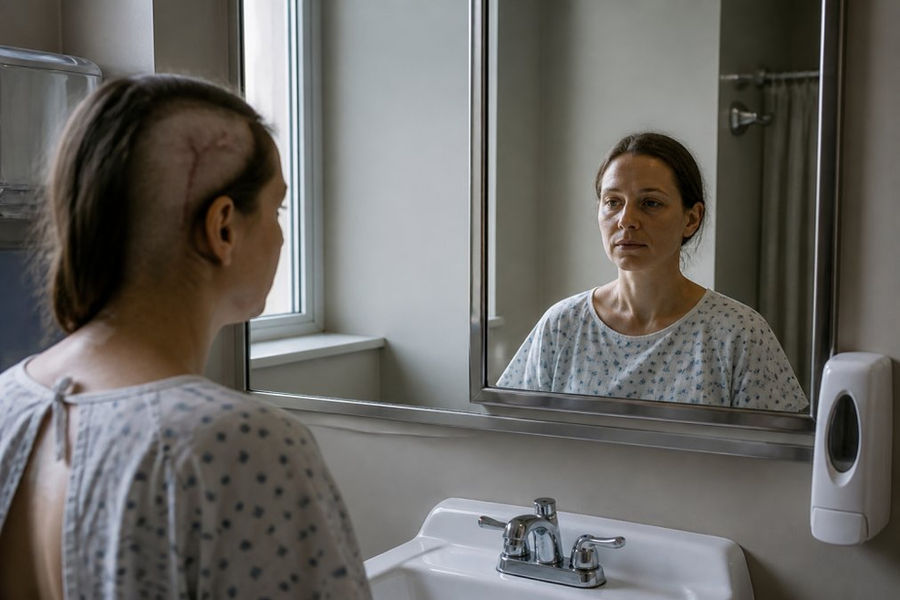
One of the most disorienting aspects of recovery from brain surgery is personality change. A person who was once patient may become irritable. Someone who was social might withdraw. These shifts aren't character flaws or temporary moods, they're often neurological consequences of the surgery itself, the trauma to brain tissue, or the medications used during recovery.
Identity alteration is the term clinicians use, but families experience it as loss. The person you knew seems to have been replaced by someone unfamiliar. This emotional lability, sudden mood swings and difficulty regulating emotions, can last weeks or months. A patient might cry unexpectedly, express anger disproportionate to the trigger, or oscillate between hope and despair within hours.
What families need to understand is that this isn't permanent, though it may feel that way during the acute recovery phase. The brain is healing. Neuroplasticity, the brain's ability to reorganize itself, takes time. Behavioral dysregulation during this period is a sign of active recovery, not a sign that the person will never return to themselves.
The emotional impact here extends to the patient themselves. Many experience grief over their changed self, anxiety about whether they'll recover fully, and depression as they confront limitations they didn't have before surgery. This creates a secondary layer of emotional complexity: the family is grieving the change while the patient is grieving their own altered identity.
How Family Dynamics Shift During Recovery
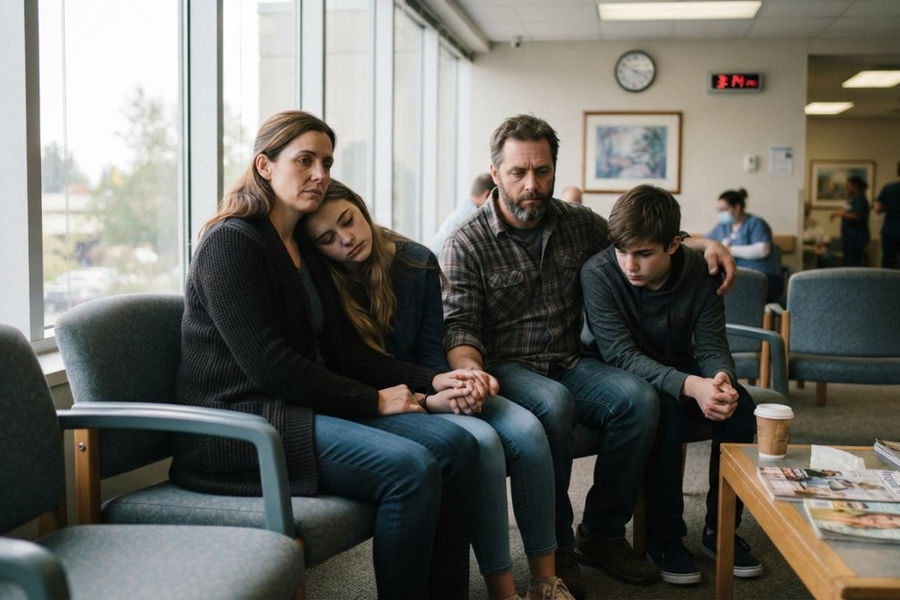
Family relationships undergo profound transformation during brain surgery recovery. The usual power structures, communication patterns, and emotional roles shift overnight. A parent who was the decision-maker becomes dependent. A spouse becomes a full-time caregiver. Children suddenly have a parent who is physically present but emotionally or cognitively unavailable.
The emotional impact of brain surgery on family dynamics shows up most clearly in how family members relate to each other. Spouses report feeling like they've lost their partner while still living in the same house. Adult children struggle with role reversal, suddenly providing care for a parent who once cared for them. Younger children often don't understand why their parent has changed and may act out behaviorally as a result.
Relational closeness can either deepen or fracture during this period. Some families find that shared crisis brings them together, creating stronger bonds through vulnerability and mutual support. Others discover that the stress of caregiving, uncertainty about recovery timelines, and unprocessed grief create distance and resentment.
Communication becomes critical but often breaks down. Family members may avoid talking about the changes they're witnessing, afraid of upsetting the patient or facing their own anxiety about the future. This silence compounds the emotional burden. What isn't spoken aloud festers as worry, guilt, or unresolved anger.
Caregiver Burnout and Brain Tumor Care: What Families Need to Know
Caregiver burden is not a minor side effect of brain surgery recovery, it's a central feature of the experience. The person designated as the primary caregiver (often a spouse or adult child) enters a role that combines medical responsibility, emotional labor, and logistical management, often with minimal preparation or support.
Caregiver burnout in the context of brain tumor care or brain surgery recovery develops through a specific sequence. Initially, there's adrenaline and purpose. The caregiver is focused, organized, and running on the momentum of crisis. But weeks into recovery, when the acute phase has passed and the long, uncertain rehabilitation period stretches ahead, exhaustion sets in. The caregiver is managing medications, attending appointments, monitoring for complications, providing physical assistance, and trying to hold the emotional weight of the household together, all while their own needs go unmet.
Many caregivers report feeling trapped between competing demands. They're managing the patient's medical care while trying to maintain their job, support other family members, and handle household responsibilities. Sleep deprivation becomes chronic. Stress management becomes impossible. The caregiver's own mental health deteriorates, depression and anxiety are common.
Financial stress compounds this burden. Medical costs, lost income from time off work, and the expense of home modifications or in-home care create financial anxiety on top of emotional exhaustion. This financial and logistical stress functions as an emotional trigger, adding another layer of stress management that families must navigate.
What's often missed is that caregiver burnout directly impacts patient recovery. A burned-out caregiver is less patient, less emotionally available, and more prone to making mistakes in medication management or care protocols. The caregiver's deteriorating mental health becomes a public health issue within the household.
Managing Anxiety, Depression, and Stress in the Household
The emotional impact of brain surgery on family includes clinical-level anxiety, depression, and post-traumatic stress that families often don't anticipate or know how to address. These aren't just emotional reactions, they're neuropsychiatric symptoms that require recognition and intervention. managing post-operative anxiety.
Anxiety emerges at multiple points: before surgery (fear of the unknown, worry about complications), immediately after (fear of infection or setback), and during recovery (uncertainty about whether the patient will fully recover, worry about recurrence). This anxiety isn't irrational, it's grounded in real medical risk and real uncertainty. But when anxiety becomes chronic and starts affecting daily functioning, it crosses into territory where professional support becomes necessary.
Depression often arrives quietly during the recovery phase. Family members experience grief over the loss of the life they had before surgery. They grieve the patient's changed personality or reduced capabilities. They grieve the time and resources consumed by recovery. This grief is legitimate and necessary, but when it persists and deepens into clinical depression, it requires intervention.
Stress management becomes a family-wide project. Individual coping mechanisms matter, exercise, journaling, time with friends, but they're not sufficient when the stressor (ongoing recovery and uncertainty) remains constant. Families need systemic stress management: shared responsibility for caregiving so no single person bears the full burden, professional mental health support, and honest communication about what each family member needs.
Emotional regulation techniques help. Mindfulness practices, breathing exercises, and structured emotional processing can help family members manage the intensity of their reactions. But these are tools, not solutions. They help manage symptoms while the underlying situation, a family member in recovery from major surgery, continues.
Brain Tumor Support Resources and Professional Help
Families often don't know where to turn for professional mental health support, and the emotional impact brain surgery family members experience often goes untreated because they don't recognize it as something requiring intervention. A family member might assume that anxiety or depression is a normal response to crisis (which it is) and therefore doesn't warrant professional help (which is incorrect).
Mental health professionals trained in medical trauma, caregiver support, and family systems can provide crucial intervention. A therapist experienced in working with families navigating serious illness can help family members process their emotions, improve communication, and develop coping strategies. For patients experiencing personality changes or emotional dysregulation, neuropsychological rehabilitation and therapy specifically designed for post-surgical cognitive remediation can accelerate recovery and reduce distress.
Support groups, both for patients and for caregivers, provide something that individual therapy cannot: the knowledge that you're not alone, and the practical wisdom of others who have walked this path. Hearing from another caregiver who survived burnout, or from a patient who recovered their personality after months of change, provides hope grounded in real experience.
Many hospitals and cancer centers offer psychosocial support services specifically designed for families facing serious illness. These might include social work services, chaplaincy, support groups, or referrals to community mental health providers. The challenge is that families in crisis often don't have the cognitive bandwidth to seek these resources out. Asking the medical team directly, "What mental health support is available for my family?", is often necessary.
Resources like the Canadian Mental Health Association and Brain Tumour Foundation of Canada provide information, support groups, and connections to professional services. These organizations understand the specific emotional and logistical challenges that families face and can provide both immediate support and longer-term resources.
Finding Resilience and Post-Traumatic Growth
Families that survive brain surgery recovery often report something unexpected: growth. Post-traumatic growth, positive psychological change that occurs as a result of struggling with a major life challenge, is not guaranteed, but it's possible, and it's worth understanding.
Post-traumatic growth manifests in several ways. Relationships deepen as family members move through crisis together and emerge with greater appreciation for each other. Priorities shift, what seemed important before surgery (career advancement, material possessions, social status) often loses significance compared to time with loved ones and health. Many people report increased resilience, a sense of capability they didn't know they had, and a deeper understanding of what matters.
This growth doesn't erase the trauma. A family that has survived brain surgery doesn't "move on" and forget. Rather, they integrate the experience into their identity and their relationships. They carry both the scars and the strength that came from surviving.
Resilience, the capacity to recover from difficulty, is built through several mechanisms. Strong social support is foundational; families with strong networks of friends, extended family, and community connections recover better than isolated families. Meaning-making matters; families that can articulate what they learned or how they've grown report better psychological outcomes. Practical support, help with household tasks, meals, childcare, reduces the burden enough that family members have emotional space to process their experience.
Jenny White's work as a novelist and brain tumor survivor speaks to this resilience and growth. Her character Abbey Roberts navigates the ethical complexities and emotional realities of medical crisis with authenticity that comes from lived experience. Stories of survival and recovery, whether fiction or memoir, help families see that growth is possible, that the emotional impact of brain surgery on family members can be processed and integrated, and that resilience is achievable.
Conclusion
The emotional impact of brain surgery on family is profound, multifaceted, and often underestimated by medical teams focused on surgical outcomes. Families face personality changes in their loved ones, shifts in family dynamics, caregiver burnout, and mental health challenges that require recognition and intervention. Yet within this struggle lies the possibility of growth, deeper connection, and resilience.
If your family is navigating brain surgery recovery, know that what you're experiencing, the anxiety, the grief, the identity confusion, the caregiver exhaustion, is real and valid. Seek professional mental health support. Connect with other families through support groups. Be honest about what you need. And recognize that the emotional journey of recovery, while difficult, can ultimately deepen your understanding of what matters most.
For readers seeking authentic stories that explore these realities with both clinical accuracy and emotional depth, Jenny White's work offers something rare: fiction grounded in the lived experience of a retired registered nurse and brain tumor survivor. Her novels combine the suspense and character development that keep readers engaged with the realistic portrayal of medical crisis, ethical dilemmas, and the human capacity for resilience. Explore Jenny White's medical thriller series to discover narratives that honor both the trauma and the strength of families navigating serious illness.
Frequently Asked Questions
Can brain tumor surgery cause permanent personality changes?
Brain surgery can result in personality and behavioral changes depending on the tumor's location and the extent of surgical intervention. Some changes may be temporary, resolving as the brain heals over weeks or months. Others can be longer-lasting, affecting emotional regulation, mood, and social functioning. The degree of change varies widely between individuals. Working with a mental health professional helps families understand what to expect and develop coping strategies during the recovery process.
How can families support a loved one experiencing mood swings and emotional lability after brain surgery?
Families benefit from learning about the neurological basis of emotional changes, which helps reduce blame and frustration. Establish clear communication patterns, remain patient during mood swings, and create a calm, predictable environment. Encourage the patient to work with a clinical psychologist or neuropsychologist on emotional regulation techniques. Setting realistic expectations about recovery timelines and celebrating small improvements helps maintain hope. Professional psychosocial support for both patient and family strengthens relational closeness during this challenging period.
What are the best brain tumor support resources for families?
Families should connect with organizations offering peer support groups, educational materials, and access to mental health professionals experienced in neurological recovery. Support systems may include condition-specific nonprofits, hospital-based social work services, and online communities. Many facilities offer caregiver-specific programs addressing stress management and care partner burnout. Speaking with a social worker early in treatment helps families identify local and national resources tailored to their situation. Combining professional support with peer networks provides comprehensive psychosocial support.
How do I know if my family member needs professional mental health support after brain surgery?
Signs that professional intervention is needed include persistent anxiety or depression lasting beyond the initial recovery phase, significant behavioral dysregulation, difficulty with cognitive remediation, or strain on family relationships. If the patient or caregivers experience post-traumatic stress symptoms, suicidal thoughts, or inability to manage daily functioning, contact a mental health professional immediately. A neuropsychologist can assess cognitive and emotional changes, while a therapist trained in medical trauma can address family dynamics and adjustment. Early intervention improves long-term outcomes for quality of life.
Buy now
This article was written using GrandRanker


Comments