



Why Medical Dramas Are So Addictive: The Psychology
Table of Contents
Why Medical Dramas Are So Addictive: The Core Appeal
Life-and-Death Stakes Keep Viewers Watching
Emotional Investment in Patients and Characters
The Psychology of Medical Dramas: Suspense, Comfort, and Control
Suspense, Arousal, and the Reward Cycle
Cliffhangers and the Open Loop
Why Binge-Watching Medical Shows Feels So Satisfying
When the Loop Turns Into Anxiety
Most Realistic Medical Dramas and What Sets Them Apart
Best Medical Dramas of All Time and Why They Endure
Medical Dramas and Public Expectations of Healthcare
Why Medical Dramas Appeal to Different Audiences
Healthcare Workers: Recognition and Catharsis
Patients and Caregivers: Processing and Reassurance
Students and Trainees: Aspiration and Orientation
General Viewers: Stakes, Characters, and Routine
What the Split Tells Us
Watching Medical Dramas Critically: What to Keep in Mind
Frequently Asked Questions
Last Updated: October 14, 2026
Why Medical Dramas Are So Addictive: The Core Appeal
Medical dramas are so addictive because they combine life-or-death stakes with characters viewers come to know intimately over years. This guide from Jenny White examines that pull and how to watch with a sharper eye.
Life-and-Death Stakes Keep Viewers Watching
Every episode presents a problem that must be solved within the hour: a patient codes, a diagnosis is missed, a surgeon has one shot at a repair.
That compressed timeline creates suspense other genres struggle to match. A legal drama can postpone the verdict; a medical drama cannot postpone a cardiac arrest.
Emotional Investment in Patients and Characters
Medical dramas build emotional investment through repetition and familiarity. A patient arrives a stranger, and within forty minutes the audience knows their name, their fear, and the family waiting in the corridor.
The stronger investment is in the recurring cast. Doctors and nurses return week after week, their personal lives becoming as important as the cases they treat, and viewers mourn when a beloved character dies on the table.
That dual investment, the one-off patient and the long-term character, separates a medical drama from a procedural.
The Psychology of Medical Dramas: Suspense, Comfort, and Control
The psychology of medical dramas sits at an unusual intersection: they are simultaneously stressful and soothing, delivering anxiety during a trauma scene and comfort from the hospital's familiar rhythm.

Part of this comes from control. In real life, illness arrives without warning and outcomes are uncertain; in a medical drama, the crisis peaks, the team acts, and the episode resolves, an order real healthcare rarely provides.
The other part is familiarity. Hospital settings follow predictable rules, the emergency bay, the nurses' station, the operating room, and regular viewers find this geography reassuring.
Suspense, Arousal, and the Reward Cycle
Suspense is a sequence: uncertainty, anticipation, resolution. Uncertainty raises alertness, anticipation locks attention on the screen, and resolution triggers a drop in tension the body reads as relief.
That relief is the reward. When a patient survives a code or a diagnosis finally lands, the viewer feels a release of tension, and the brain associates that release with the show, the same loop that makes any serialized entertainment habit-forming.
Medical dramas run this loop efficiently because the stakes are unambiguous: a cardiac arrest is not a metaphor, so anticipation is sharp and relief is clean.
Cliffhangers and the Open Loop
A cliffhanger works by leaving a narrative loop open. The viewer's mind keeps returning to the unresolved question, will the patient live, will the surgeon be exposed, and that mental rehearsal is itself engagement.
Medical dramas use two kinds of cliffhangers: the episode-level one ends on an unresolved case or personal revelation, and the season-level one ends on a larger question that carries across months. Streaming has made both more potent.
Why Binge-Watching Medical Shows Feels So Satisfying
Binge-watching works because each episode delivers a complete emotional cycle: tension builds, peaks, and resolves within forty-five minutes. Streaming removes the week-long wait, so viewers chain those cycles back to back.
The result is a steady drip of resolution. Each episode closes a loop, so there is suspense but also closure, a combination that makes medical shows easy to keep watching.
A common pattern among heavy viewers is the "hedonic loop": the show provides relief from stress, but the relief is temporary, so the viewer returns to manage the next wave.
Pro Tip If you want to understand why a show hooks you, watch the first ten minutes of three episodes in a row. Note how quickly each one introduces a crisis and how early the stakes are established. Most medical dramas front-load the emergency before the opening credits.
When the Loop Turns Into Anxiety
The same mechanisms that make medical dramas compelling can also make them uncomfortable. Viewers with health anxiety often report that a realistic emergency scene lingers after the episode ends. The arousal that made the show engaging does not always switch off when the credits roll.
That is not a flaw in the viewer but a predictable consequence of a format built on sustained tension. Recognizing the loop is the first step toward watching on your own terms rather than the platform's.
Most Realistic Medical Dramas and What Sets Them Apart
The most realistic medical dramas treat clinical detail as essential rather than decorative. Accuracy in terminology, procedure, and hospital hierarchy separates a show healthcare professionals can tolerate from one they switch off.
Believe to See
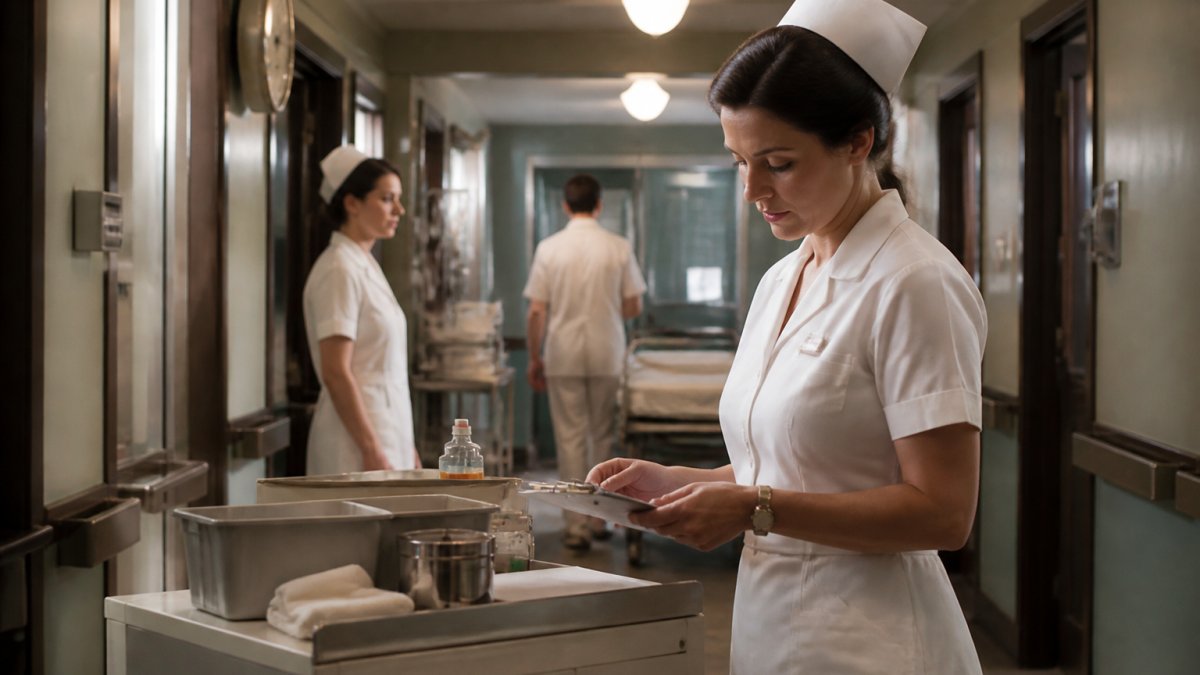
Realism shows up in small choices: whether a nurse speaks up during a code, whether a resident's hours reflect actual shift patterns, whether the equipment matches the room's stated function.
Viewers without clinical training often cannot name what feels wrong, but they sense it. A show that gets the details right earns a credibility that carries the emotional storylines further.
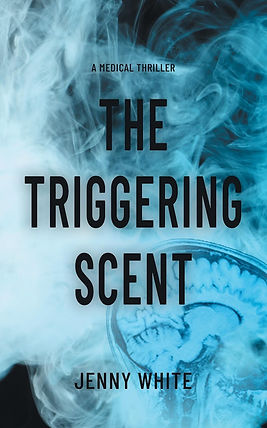
For readers who want that same authenticity in fiction, Jenny White built her Abbey Roberts RN series on exactly this principle. Her debut novel, The Triggering Scent, places those authentic details inside a suspense plot.
Best Medical Dramas of All Time and Why They Endure
The best medical dramas of all time endure because they outgrew their premise.
Long-running medical series follow a similar arc. Early seasons lean on dramatic cases and procedures; later seasons lean on relationships, workplace conflict, and the staff's personal lives.
That shift is not a decline. Viewers stay for the characters they have watched grow, not for the fifth variation of a rare diagnosis.
The shows that endure also handle turnover well. Cast members leave, and new doctors and nurses inherit the audience's attention. A medical drama that cannot survive a departure rarely reaches its tenth season.
Medical Dramas and Public Expectations of Healthcare
Medical dramas shape public expectations of healthcare in ways easy to underestimate. Viewers absorb a version of hospital life that is faster, more dramatic, and more certain than the real thing.
On screen, diagnoses arrive quickly and treatments work. In practice, patients wait, tests are inconclusive, and recovery is uneven, so a viewer whose only reference point is television may arrive at a real emergency department with mismatched expectations.
The same effect appears in how people talk about procedures.
Watch Out The most common mistake viewers make is treating a fictional outcome as a baseline. A dramatic resuscitation on television is not a prediction of what happens in a real emergency. If a show is your main source of health information, check any specific claim against a clinical source before acting on it.
Why Medical Dramas Appeal to Different Audiences
Medical dramas attract different audiences for different reasons, and understanding that split explains the genre's reach. Some viewers come for the suspense, others for the comfort of routine, and many for both.
Treating the audience as one group hides the most interesting part of the story. A retired nurse, a first-year medical student, a patient recovering from surgery, and a casual streamer are not watching the same show, even in the same episode.
Healthcare Workers: Recognition and Catharsis
For nurses, physicians, paramedics, and allied health staff, the appeal is often recognition. A well-written scene captures the rhythm of a real shift: the handoff, the code, the quiet moment after a family meeting.
At the same time, healthcare workers are the genre's harshest critics.
Healthcare workers gravitate toward shows that respect hierarchy and procedure, and away from shows that treat the hospital as a backdrop for romance. The medicine does not have to be perfect, but it has to be plausible.
Patients and Caregivers: Processing and Reassurance
For people who have been through a serious illness, or who care for someone who has, medical dramas serve a different function: a controlled way to revisit intense experiences.
That distance can be reassuring.
It can also be triggering. A realistic emergency scene may bring back details a viewer would rather not revisit. Many patients and caregivers describe watching with one hand on the remote, ready to pause or skip.
Students and Trainees: Aspiration and Orientation
Medical, nursing, and paramedic students often watch for a mix of aspiration and orientation. The shows preview the culture they are about to enter, the hierarchy, the vocabulary, the emotional weight of the work, and even when details are wrong, the emotional texture feels instructive.
Educators sometimes use clips to spark discussion about ethics, communication, and professionalism, precisely because the fictional scenarios are vivid and debatable.
General Viewers: Stakes, Characters, and Routine
For viewers with no clinical background, the appeal is simpler: the stakes are high, the characters familiar, and the episode resolves. Medical dramas also fit easily into a nightly routine, making them a low-effort default.
Within this group, motivations still vary. Some viewers are suspense-driven and rewind during tense scenes; others are character-driven and fast-forward through procedures.
Viewer Type | Primary Draw | Common Friction | What Keeps Them Watching |
Healthcare professional | Recognizable workplace culture | Clinical inaccuracies | Shows that respect procedure and hierarchy |
Patient or caregiver | Controlled distance from intense experience | Triggering scenes | Narrative order and resolution |
Student or trainee | Preview of professional culture | Oversimplified ethics | Emotional texture and discussion value |
Suspense-driven viewer | Emergencies and diagnoses | Romantic subplots | Life-and-death stakes |
Character-driven viewer | Relationships and staff growth | Procedural detail | Long-term storylines |
Casual binger | Emotional cycle per episode | Slow episodes | Steady resolution and routine |
What the Split Tells Us
The genre's durability comes from serving all these groups at once. A single episode can offer a code for the suspense viewer, a mentorship scene for the student, a family meeting for the patient, and a quiet hallway conversation for the character follower. That layering is why medical dramas run for a decade without exhausting their premise.
It also explains why viewers disagree so sharply about which shows are good: they are not evaluating the same thing. One judges accuracy, another emotional payoff, a third whether the show fits a weeknight.
Watching Medical Dramas Critically: What to Keep in Mind
Watching medical dramas critically does not mean refusing to enjoy them.
A few habits make this easier. Track how often a diagnosis is delivered in minutes versus how often a real workup takes days.
For healthcare professionals, this kind of viewing can be genuinely enjoyable. It turns a familiar genre into a puzzle: which details hold up, and which are dramatic distortion.
For everyone else, it is a useful reminder that television compresses, simplifies, and resolves. That is what makes it satisfying, and what makes it fiction.
Key Takeaway The reason medical dramas are so addictive is structural: each episode delivers a complete emotional cycle, and streaming lets viewers chain those cycles without waiting. Add long-term characters and you have a format that rewards both a single sitting and a decade of loyalty.
The tension at the heart of the genre is that it gives viewers both the fear and the comfort of medicine in the same hour, and that combination is hard to walk away from. Get started with Jenny White and The Triggering Scent, and read a medical thriller that feels like the real thing.
Frequently Asked Questions
Why are medical dramas so addictive?
Medical dramas combine high-stakes emergencies with ongoing character stories. The constant suspense around diagnoses and outcomes triggers the same reward pathways as any compelling narrative. Viewers get emotional investment in patients and doctors, plus the comfort of a predictable format. Streaming platforms make it easy to watch episode after episode, which deepens the compulsive viewing habit.
What makes medical dramas so compelling to watch?
The mix of life-and-death stakes, relatable characters, and ethical dilemmas keeps viewers engaged. Medical procedures and terminology add authenticity, while personal lives and workplace conflict create ongoing drama. Shows that balance medical accuracy with dramatic distortion tend to hold attention longest. The genre also taps into universal fears about health and hospitals, making each episode feel personally relevant.
How do medical dramas affect viewers' expectations of healthcare?
Research suggests that medical dramas can shape public expectations of healthcare, from survival rates to the speed of emergency care. Viewers may overestimate the likelihood of dramatic rescues or underestimate wait times. While these shows entertain, they also influence health discussions and patient care perceptions. Watching critically, by separating dramatic distortion from real-life medicine, helps keep expectations grounded.
Which medical drama is the most realistic?
Realism varies by show, but series that consult healthcare professionals and avoid over-the-top plot twists tend to score higher with medical audiences. Some programs depict CPR, emergency care, and hospital resources more accurately than others. Nurses and doctors often point to specific scenes as authentic. The most realistic medical dramas prioritize patient care details and ethical complexity over shock value.
Buy now


Comments