



What Makes a Good Thriller: 7 Essential Elements
Updated: Sep 16
Table of Contents
Defining the Thriller Genre and What Makes a Good Thriller
High Stakes and Danger: The Foundation of Suspense
Pacing in Thriller Novels: Building Narrative Drive
Tension and Psychological Engagement
Plot Twists and the Element of Unpredictability
Character Motivation and Vulnerability
How to Write a Medical Thriller: Blending Authenticity with Suspense
Common Thriller Tropes to Avoid
Last Updated: August 25, 2026
Defining the Thriller Genre and What Makes a Good Thriller
A good thriller keeps readers uncertain about what happens next, using escalating danger and psychological tension to compel them forward. What separates a gripping thriller from ordinary suspense is its relentless focus on stakes that feel immediate and dire, combined with pacing that never allows comfort.
The thriller genre thrives on a fundamental contract: something critical is at risk, and the protagonist's efforts to protect it will be tested repeatedly. Unlike mysteries, which reveal truth through investigation, thrillers propel readers through mounting obstacles toward an uncertain outcome. The reader often knows the threat before the protagonist does, creating constant dread.
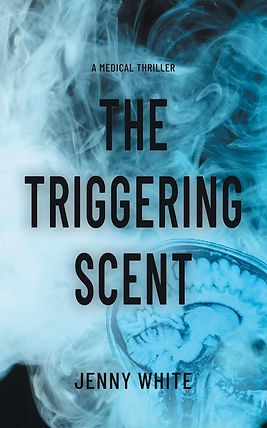
Jenny White's medical thrillers exemplify this principle. Her debut novel, The Triggering Scent, launches the Abbey Roberts RN series with an authentic hospital setting where every clinical decision carries weight. By drawing on her background as a retired registered nurse and brain tumor survivor, White grounds the genre's psychological intensity in realistic medical dilemmas that feel genuinely consequential.
What makes a thriller effective is clarity of purpose. The reader must understand what the protagonist wants, what stands in their way, and why failure would be catastrophic.
High Stakes and Danger: The Foundation of Suspense
High stakes form the bedrock of every compelling thriller. Without genuine danger, physical, emotional, or professional, readers have no reason to feel invested in the outcome. The stakes must be personal enough that the protagonist can't simply walk away, and dire enough that inaction guarantees catastrophe.
In medical thrillers, stakes arrive built-in. A patient's life hangs in the balance (peer-reviewed research). A healthcare professional's license and reputation are on the line (regulations governing medical devices and practices). A clinical decision made in seconds could determine whether someone recovers or deteriorates (the NIH).

The most effective thrillers escalate stakes progressively. Each obstacle the protagonist overcomes reveals a larger danger lurking beneath. A nurse discovering a medication error creates immediate personal danger. Realizing the error was deliberate transforms the threat into something systemic. Discovering it was part of a larger criminal scheme elevates stakes again. Each revelation makes the protagonist's position more precarious.
Stakes also determine what the protagonist will sacrifice. A character protecting their career makes different choices than one protecting their patient's life. The clarity of what's at risk shapes every decision and creates authentic conflict.
Pacing in Thriller Novels: Building Narrative Drive
Pacing in thriller novels isn't about speed, it's about rhythm and control. The art lies in varying rhythm: moments of frenetic action punctuated by quieter scenes where tension builds through dialogue, introspection, and revelation.
Narrative drive comes from forward momentum with purpose. Each scene should move the protagonist closer to their goal or deeper into jeopardy. Scenes that merely explain backstory or establish character without advancing the central conflict create drag.
Medical thrillers benefit from a specific pacing structure. Clinical scenes move quickly, procedures, diagnoses, emergencies unfold in real time. Investigative scenes can slow slightly, allowing readers to piece together clues alongside the protagonist. Emotional scenes deepen engagement without sacrificing tension.
The ticking clock accelerates pacing naturally. When readers know a deadline approaches, a surgery scheduled for tomorrow, a medication wearing off, a cover-up unraveling, every scene gains urgency. A patient declining, a window of opportunity closing, consequences mounting, all create the sensation of time pressure.
Pacing also controls what readers discover and when. Revealing too much too soon flattens tension. Withholding information too long frustrates readers. The skilled thriller writer calibrates revelation to maximize impact.
Tension and Psychological Engagement
Tension separates thrillers from other genres. It's the constant pressure readers feel, the sense that something could go wrong at any moment. Psychological tension operates differently than physical danger. A character cornered by an antagonist creates one type of tension. A character discovering their trusted colleague is sabotaging them creates another.
The most durable tension comes from uncertainty. Readers can endure physical danger if they believe the protagonist will survive. They cannot endure prolonged uncertainty about the antagonist's true identity, the protagonist's true circumstances, or whether escape is possible.
Anticipation feeds tension. When readers can see danger approaching but the protagonist cannot, the gap between knowledge creates dread. This is why many thrillers employ multiple perspectives, allowing readers to see the antagonist's plan developing while watching the protagonist remain unaware.
Subtext deepens psychological tension. A conversation between colleagues where one is clearly hiding something creates tension through implication. A clinical interaction where the protagonist senses something is wrong but can't articulate it generates unease that lingers.
Vulnerability amplifies tension. A protagonist who appears invincible generates less engagement than one whose limitations are clear. Readers invest in characters who are capable but flawed, competent in some areas but exposed in others.
Plot Twists and the Element of Unpredictability
Plot twists work only when they're earned. A twist that violates the rules the narrative has established feels like betrayal. The effective twist surprises readers while feeling inevitable in retrospect, they didn't see it coming, but once revealed, they recognize the clues were there.
Misdirection enables unpredictability. The reader's attention is directed toward one threat while another develops unseen. A character introduced as a potential antagonist turns out to be an ally. Information presented as fact reveals itself as assumption.
Red herrings should create genuine uncertainty, forcing readers to question their assumptions about who can be trusted and what's actually happening. A well-constructed red herring makes readers question their own judgment.
The best twists recontextualize everything that came before. New information doesn't just answer questions; it transforms how readers understand previous scenes. A conversation that seemed straightforward gains sinister new meaning. gifts for mystery fans.
Unpredictability prevents the thriller from becoming formulaic. The effective thriller respects some genre conventions while subverting others, keeping readers engaged because they can't predict what the narrative will do next.
Character Motivation and Vulnerability
Characters drive thrillers forward. Plot mechanisms matter less than why characters make the choices they do. A protagonist who acts out of fear creates different tension than one acting out of determination.
Motivation must be clear enough for readers to understand, complex enough to feel authentic. Layered motivations, where a character pursues a goal for multiple overlapping reasons, some conscious and some not, create psychological depth that sustains reader investment.
Vulnerability transforms characters from action figures into humans readers care about. A protagonist who's competent but afraid, determined but uncertain, capable but limited creates genuine psychological stakes.
Conflict between motivation and vulnerability generates the psychological tension that defines literary thrillers. A nurse driven to protect patients but haunted by a past mistake faces an internal conflict that external plot mechanics can't resolve.
The antagonist's motivation matters equally. An antagonist who believes they're justified in their actions, who pursues a goal that makes sense given their circumstances, forces readers to confront moral complexity rather than simply rooting against a caricature.
How to Write a Medical Thriller: Blending Authenticity with Suspense
Writing a medical thriller requires balancing two competing demands: authenticity and narrative momentum. Clinical accuracy grounds the story in reality, making psychological tension feel genuinely consequential. But accuracy without narrative purpose becomes tedious exposition.

Research forms the foundation. Understanding how hospitals operate, how clinical decisions are made, how medical hierarchies function allows writers to create scenarios that feel authentic to healthcare professionals while remaining engaging to general readers.
Jenny White's approach exemplifies this integration. Drawing on her background as a retired registered nurse and brain tumor survivor, she grounds The Triggering Scent in realistic hospital dynamics while weaving medical authenticity into the suspense itself. Clinical details aren't window dressing; they're plot mechanics. A medication interaction becomes a plot twist. An ICU protocol becomes a constraint the protagonist must work within.
Plot structure in medical thrillers often centers on a clinical mystery or ethical dilemma. A patient's unexpected deterioration, a diagnosis that doesn't match the symptoms, or a treatment that's working too well become narrative engines that propel the protagonist forward.
Character development should reflect the psychological weight of healthcare work. Medical professionals carry the burden of other people's suffering and make decisions with life-or-death consequences. Characters who navigate this landscape authentically feel more real.
Pacing benefits from alternating between clinical scenes and investigative scenes. Procedures and emergencies move quickly. Conversations where characters piece together what's happening can slow slightly, allowing tension to build through dialogue and revelation.
Common Thriller Tropes to Avoid
Certain thriller conventions have become so familiar that they undermine rather than enhance suspense.
The "convenient coincidence" that resolves plot complications frustrates readers. When the protagonist happens to overhear exactly the conversation they needed to hear, readers feel manipulated rather than satisfied. Coincidences work only when they complicate rather than resolve the protagonist's situation.
The "villain explains their entire plan" monologue has become a cliché because it violates how actual antagonists behave. The more effective approach: readers gradually piece together the antagonist's plan through investigation and revelation.
The "protagonist ignores obvious danger" trope frustrates readers when it exists solely to manufacture plot complications. Readers tolerate protagonist mistakes only when those mistakes flow logically from the character's psychology, circumstances, or limitations.
The "love interest as plot device" reduces character to function. Authentic relationships should reflect the psychological reality of the characters involved, not serve as convenient plot mechanics.
The "twist that invalidates everything" can backfire spectacularly. Readers tolerate plot twists that recontextualize previous events. They resent twists that reveal previous events were essentially meaningless.
The "protagonist suddenly develops needed skills" appears frequently when the hero must perform a task they've never attempted. Without prior establishment that the character possesses these skills, readers experience these moments as authorial fiat.
Medical thrillers specifically should avoid "medical nonsense presented as fact." Readers with healthcare backgrounds immediately recognize when clinical details are fabricated or distorted. If the plot requires a particular medical scenario, research until you can present it accurately, or adjust the plot to accommodate medical reality.
The difference between a forgettable thriller and one readers can't put down comes down to fundamentals: stakes that feel genuinely consequential, pacing that controls rhythm and revelation, characters whose motivations feel authentic, and tension that builds through psychological uncertainty rather than mere plot mechanics.
Jenny White's medical thrillers demonstrate how authentic detail, character vulnerability, and narrative momentum combine to create compelling suspense. Her background as a retired registered nurse and brain tumor survivor grounds The Triggering Scent in the psychological and clinical realities that make medical drama resonate with both healthcare professionals and general readers. When you understand what makes a good thriller work, you recognize why stories that blend authenticity with suspense create the most durable impact, they feel true while delivering the narrative satisfaction readers seek.
Frequently Asked Questions
What are the key elements that make a good thriller?
A good thriller combines high stakes, relentless pacing, psychological tension, and unpredictable plot twists. The protagonist must face genuine danger with dire consequences, while the antagonist presents a credible threat. Tension builds through escalating obstacles, a ticking clock element creates urgency, and character vulnerability makes readers emotionally invested. The best thrillers maintain narrative drive from the inciting incident through the climax, keeping readers in a state of anticipation and dread.
How do authors build suspense in medical thrillers?
Medical thrillers use authentic clinical details to create credibility and tension. Authors ground stories in realistic hospital settings, ethical dilemmas, and medical procedures that feel genuine. The high-stakes environment of healthcare, where lives hang in the balance, naturally amplifies tension. Combining accurate medical knowledge with psychological conflict between characters, moral ambiguity, and time pressure (a patient's deteriorating condition, a surgery deadline) creates the suspense that keeps readers turning pages. Authenticity makes the danger feel real.
What distinguishes a psychological thriller from a standard suspense novel?
A psychological thriller emphasizes the mental and emotional turmoil of characters, often blurring the line between reality and perception. Rather than relying solely on external danger, psychological thrillers explore the antagonist's and protagonist's inner conflicts, motivations, and vulnerabilities. The tension comes from misdirection, unreliable narrators, and the reader's uncertainty about what's true. Standard suspense novels focus more on external threats and plot-driven action. Psychological thrillers ask 'why' and 'what if', forcing readers to question character intentions and anticipate unpredictable emotional outcomes.
Why do readers find high-stakes hospital dramas so compelling?
High-stakes hospital dramas tap into universal fears about health, mortality, and trust in institutions. Readers connect with characters facing life-and-death situations, ethical dilemmas, and the pressure of critical decisions. The ICU setting creates inherent urgency, patients are vulnerable, time is limited, and mistakes have dire consequences. When combined with authentic medical details and relatable character struggles, hospital dramas create emotional engagement that goes beyond plot. Readers invest in whether the protagonist can save a patient, solve a mystery, or survive their own crisis, making the narrative drive irresistible.
Buy now
This article was written using GrandRanker



Comments