



Nurse Author: From Clinical Practice to Publishing
Updated: Sep 16
Table of Contents
What Makes a Nurse Author Different
Educational Requirements and Clinical Credentials
Nurse Writer Career Path: From Bedside to Byline
Types of Content Nurse Authors Produce
Medical Thriller Writing Tips for Healthcare Professionals
How to Write a Nursing Memoir With Authenticity
Navigating Publishing, Legal Considerations, and Monetization
Building Your Professional Reputation as a Nurse Author
Last Updated: August 24, 2026
What Makes a Nurse Author Different
A nurse author is a healthcare professional who combines clinical expertise with creative or professional writing to tell stories, educate, or advocate within the medical field. What sets nurse authors apart is their lived experience in high-stakes clinical environments. They understand shift work rhythms, ethical dilemmas, clinical language, and the emotional toll of patient care in ways outsiders cannot replicate.

This authenticity is non-negotiable in medical fiction and healthcare content. Readers, especially those in nursing or medicine, can spot fabricated clinical details instantly. A nurse author brings credibility that research alone cannot manufacture. They've stood at a patient's bedside during a code, documented medication errors, and navigated hospital hierarchies. That lived experience becomes the foundation of everything they write.
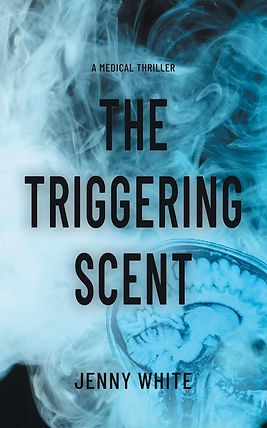
Jenny White exemplifies this distinction. As a retired registered nurse and brain tumor survivor, she brings both clinical authority and personal resilience to her work. Her debut novel, The Triggering Scent, launches the Abbey Roberts RN series with hospital authenticity that comes only from someone who's worked inside that system. The medical details aren't window dressing; they're the narrative backbone.
Educational Requirements and Clinical Credentials
Becoming a nurse author doesn't require additional formal education beyond your nursing credentials, though the path varies by writing goal.
For peer-reviewed nursing journals, understanding research methodology and evidence-based practice strengthens your work ([EXTERNAL_LINK: peer-reviewed research guidelines | pmc.ncbi.nlm.nih.gov]). Many nurse authors pursue graduate degrees in Nursing, Public Health, or related fields to deepen credibility in specialized areas like nursing informatics or health policy. For fiction writing, no credential makes you a better novelist. What matters is clinical expertise, storytelling skill, and willingness to learn craft. Some nurse authors take creative writing courses; others self-teach through reading, writing groups, and revision.
For regulatory documentation or healthcare content, employers expect a portfolio demonstrating writing ability, but your RN credential is your primary qualification. Specialty certifications in ICU, emergency, oncology, or pediatrics become your subject matter expertise.
The real requirement is continuous learning within your specialty. Healthcare evolves constantly. Protocols change. New medications emerge. A nurse author writing about clinical practice in 2026 must stay current with evidence-based practice, not rely on outdated knowledge ([EXTERNAL_LINK: NIH's evidence-based practice resources | ncbi.nlm.nih.gov]). Your clinical credibility depends on it.
Nurse Writer Career Path: From Bedside to Byline
The most common trajectory starts with clinical practice, then branches into writing as a parallel or eventual primary career. Most nurse writers don't abandon bedside care immediately; instead, they build writing practice alongside nursing work.
Early-stage writing often happens in stolen hours, early mornings before shifts, late nights after patient care, weekends. Some nurse authors begin with journal articles documenting clinical observations. Others start with personal essays or blog posts. This initial writing develops discipline and reveals whether writing sustains them beyond initial enthusiasm.
The next phase involves seeking publication. For professional writing, this means submitting to nursing journals or healthcare websites. For fiction, it typically involves completing a manuscript, joining writing communities, and querying agents or publishers. Some nurse authors self-publish, maintaining creative control and moving faster to market.

Career decisions diverge sharply afterward. Some maintain full-time clinical practice while building a writing career on the side, preserving income stability and keeping skills sharp, though demanding extraordinary time management. Others transition to part-time nursing, allocating more hours to writing. A smaller group leaves clinical practice entirely after establishing sustainable income or securing a publishing contract.
Most successful nurse authors maintain some connection to healthcare. It keeps knowledge current and provides ongoing material. Your career path depends on financial situation, writing goals, and how much clinical practice you need to feel grounded.
Types of Content Nurse Authors Produce
Nurse authors work across multiple content categories, each requiring different skills and opening different opportunities.
Professional and academic writing includes peer-reviewed journal articles, case studies, and evidence-based practice papers. These publications establish credibility within nursing and appear in journals like Journal of Nursing Administration or specialty publications. This work requires understanding research methodology and strict editorial guidelines. The payoff is professional reputation and often career advancement.
Health communication and patient education encompasses writing for hospital websites, patient brochures, and health advocacy organizations. This content translates complex medical information for non-clinical audiences, requiring clarity and empathy without oversimplification.
Regulatory and technical documentation includes writing policies, procedures, and compliance documentation for healthcare organizations. This specialized work leverages your understanding of clinical workflows and is often well-compensated.
Memoir and personal narrative draws on lived experience, your journey through illness, recovery, or career challenges. Nursing memoirs have found strong readership, especially from survivors seeking resilience stories.
Medical fiction and thrillers use your clinical expertise to create immersive, credible narratives. Unlike other fiction writers who must research medical details, you already know them. Your advantage is authenticity. Jenny White's work exemplifies this, with hospital dynamics, ethical conflicts, and medical accuracy flowing from genuine clinical experience.
Healthcare journalism and feature writing appears in publications from STAT News to The New York Times health section. Nurse journalists bring insider perspective that non-medical journalists cannot access.
Most successful nurse authors work across multiple categories, building a diversified portfolio.
Medical Thriller Writing Tips for Healthcare Professionals
Writing medical thrillers as a healthcare professional gives you an enormous advantage: you don't have to fake clinical details. But that advantage can become a liability if accuracy overshadows storytelling.
Clinical authenticity serves the narrative, not the other way around. Your readers don't need textbook explanations of medical conditions. They need to feel the tension of a doctor recognizing signs too late, the cascade of decisions that follow, the ethical weight of choices made under pressure. Medical details should be accurate but serve character and plot.
Research what you don't know, but trust what you do. If you've worked in an ICU, you understand ventilator settings and alarm fatigue. Don't over-explain these to readers. Focus research on details outside your experience, a specific drug interaction, hospital layout you've never worked in, or surgical procedures unfamiliar to you.
Ethical dilemmas drive medical thrillers more than medical crises. Any competent writer can describe a patient coding. What separates gripping thrillers from procedurals is moral conflict: a doctor choosing between patient autonomy and clinical judgment, a nurse discovering a colleague's substance abuse, a researcher pressured to hide adverse outcomes. [EXTERNAL_LINK: Learn how to become a bestseller author | bestsellerpublishing.org].
Create characters who think like healthcare professionals without speaking in clinical jargon that alienates readers. Your protagonist might internally recognize compartment syndrome but tell a patient, "Your arm is swelling more than it should. We need to check the pressure." Clinical knowledge informs character; it doesn't dominate dialogue.
Avoid making your protagonist infallible. Real healthcare professionals make mistakes, miss diagnoses, and have bad days. These failures make characters human and stories compelling. Jenny White's Abbey Roberts is skilled but flawed, capable but sometimes wrong, which makes her credible and her struggles resonant.
Respect medical timelines. A code doesn't last long. A diagnosis unfolds over hours or days. A recovery takes weeks. Your clinical knowledge tells you how these events actually unfold. Use that knowledge to pace your narrative authentically.
How to Write a Nursing Memoir With Authenticity
A nursing memoir draws power from vulnerability combined with professional insight. You're offering readers access to the interior experience of healthcare work, which most people never see.
Start by identifying the central tension or transformation your story explores. Are you writing about realizing nursing wasn't what you expected? Surviving critical illness and returning to practice? Ethical conflicts that changed your approach to care? Your memoir needs a throughline, not just anecdotes, but a coherent journey showing how you changed.
Authenticity comes from specificity. Don't write, "I had a difficult patient." Write about Mrs. Chen in room 412, the way she flinched when you approached, the medication she refused, the conversation that finally broke through her resistance. Specific details, the smell of a particular floor, the sound of a specific alarm, the weight of a decision made at 3 a.m., ground readers in your experience.
Balance clinical knowledge with emotional honesty. You can explain pathophysiology, but the memoir lives in how it felt. The fear, uncertainty, and moments when training didn't prepare you for what you encountered. Readers need the person who lived it and is willing to admit what that cost.
Address the ethical complexity of healthcare without resolving it too neatly. If a patient outcome troubles you years later, sit with that discomfort. Nursing memoirs resonate because they acknowledge the gray zones where healthcare professionals operate, where there often is no right answer, only the choice you made and how you've lived with it since.
Navigating Publishing, Legal Considerations, and Monetization
The path to publication varies dramatically depending on what you're writing and where you want to publish.
For professional writing in nursing journals, submit your manuscript according to the journal's author guidelines and wait for peer review. Rejection is common, even for experienced authors. Publication in peer-reviewed journals builds professional reputation and often costs nothing, though some journals charge author fees. This type of publication rarely generates income but establishes you as a subject matter expert.
For fiction, traditional publishing involves querying literary agents who represent your work to publishers. This process takes months to years from query to publication. Self-publishing fiction is faster and increasingly viable, especially in thriller genres. Self-published authors must handle editing, cover design, marketing, and distribution themselves. Many nurse authors publish their first novel independently to prove market viability, then approach traditional publishers with sales data.
For healthcare content and patient education writing, opportunities exist with hospitals, health systems, pharmaceutical companies, and health-focused media outlets. Compensation varies widely depending on the organization and your experience.
Legal considerations matter significantly. If you're writing about clinical experience, even fictionalized, you must protect patient privacy. Never include identifiable details, real names, specific dates, or unique medical histories that could identify someone. Consult a lawyer familiar with healthcare law before publishing anything drawing on your clinical work.
Clarify intellectual property ownership. If you're writing as part of employment, does your organization own what you write? Can you publish it independently? Get this in writing before starting.
Monetization depends on your path. Peer-reviewed journal articles typically pay nothing. Patient education work is usually paid hourly or by project. Fiction generates income through sales, speaking engagements, and sometimes film or television rights. Freelance writing for healthcare publications typically pays depending on publication prestige and your experience.
Most nurse authors don't make significant income from writing initially. They build gradually. Jenny White's success with The Triggering Scent reflects years of clinical practice combined with commitment to craft and authentic voice. The book's resonance comes from blending expertise with compelling storytelling.
Building Your Professional Reputation as a Nurse Author
Your reputation as a nurse author rests on two pillars: clinical credibility and writing quality. Neglect either and you lose authority.
Clinical credibility comes from staying current with evidence-based practice, maintaining professional credentials, and continuing education in your specialty. If you're writing about oncology nursing, know current treatment protocols. If you're writing medical thrillers set in an ICU, understand contemporary critical care. Readers, especially healthcare professionals, notice outdated clinical knowledge.
Writing quality requires equal commitment. Read widely in your genre. Join writing communities where you receive honest feedback. Revise relentlessly. Attend writing conferences. Study how successful authors in your space work. Clinical expertise doesn't compensate for weak writing craft.
Build your author platform intentionally. For fiction, establish an author website and social media presence where you engage with readers. Share behind-the-scenes insights about your writing process and how nursing informs your stories. For professional content, contribute to nursing blogs, speak at conferences, and publish in trade publications.
Network within both healthcare and writing communities. Nursing associations often have writing groups. Writing conferences have healthcare-focused tracks. These spaces connect you with peers, mentors, and potential collaborators.
Be transparent about your background. Readers and editors want to know you're a nurse author; it's part of what makes your work credible. Include your clinical background in author bios and reference it when relevant. This transparency builds trust and differentiates you from writers who've researched healthcare without living it.
The strongest professional reputation comes from consistency, showing up regularly with quality work, engaging authentically with your audience, and maintaining the highest standards in both clinical and writing practice.
Nurse authors occupy a unique position in both healthcare and publishing. You bring authenticity that research cannot replicate. Your clinical expertise combined with compelling storytelling creates work that resonates with readers craving both accuracy and emotional truth.
If you're considering becoming a nurse author, start where you are. Write about what you know. Share your stories. Submit your work. Build your craft alongside your clinical practice. Jenny White's journey from registered nurse to published author of medical thrillers demonstrates what's possible when clinical expertise meets genuine commitment to storytelling. Her work delivers exactly what readers seek: immersive narratives grounded in authentic healthcare experience, combined with the suspense and emotional depth that keep pages turning.
Frequently Asked Questions
Q: What makes a nurse author's perspective different from other medical thriller writers?
A: A nurse author brings lived clinical expertise and evidence-based practice knowledge that creates authenticity competitors cannot replicate. Your understanding of ICU dynamics, patient interactions, ethical dilemmas, and the realities of healthcare systems translates into credible medical details. Readers, especially healthcare professionals, recognize when medical scenarios are accurate versus dramatized. This credibility becomes your competitive advantage, particularly when writing about nursing leadership, clinical decision-making, and the emotional weight of patient care.
Q: Do I need advanced degrees or special nursing certifications to become a published nurse author?
A: No. Your registered nurse credential and clinical experience are your foundation. However, additional credentials strengthen your authority: a bachelor's degree in nursing, specialty certifications (critical care, oncology, emergency nursing), or advanced practice qualifications enhance your credibility when writing about those specialties. For academic or peer-reviewed publishing, a master's degree or research background helps. For fiction and memoirs, your clinical experience and authentic voice matter more than advanced degrees. Your nursing license itself is your proof of subject matter expertise.
Q: How do I balance a full-time nursing career with building a writing career?
A: Most nurse authors start by writing during off-shift hours: early mornings, days off, or after-hours blocks. Consider transitioning to part-time clinical work once you establish a writing routine and begin generating income. Many successful nurse authors write one to two hours daily and dedicate full days on their schedule off. Your nursing career doesn't have to end, it can fuel your writing with fresh material and credibility. Some nurses shift into clinical education, nursing informatics, or consulting roles that offer more schedule flexibility while maintaining professional engagement and providing writing material.
Q: What are realistic earnings for a freelance nurse writer or self-published nurse author?
A: Earnings vary widely by format and platform. Freelance nursing content writers typically earn depending on the project, with established writers commanding higher rates. Self-published fiction earnings depend on sales volume and pricing strategy. Traditionally published debut authors often earn modest advances plus royalties. Diversification is key: combine freelance writing, self-publishing, speaking engagements, nursing curriculum development, and regulatory documentation work. Many nurse authors treat writing as a secondary income stream initially, building it into a primary revenue source over time as their reputation and portfolio grow.
Buy now
This article was written using GrandRanker


Comments