



Character-Driven Medical Thrillers: A Guide to Authentic Suspense
Table of Contents
What Makes Character-Driven Medical Thrillers Stand Out The Intersection of Medical Ethics and Suspense Authenticity as a Competitive Edge
The Intersection of Medical Ethics and Suspense
Authenticity as a Competitive Edge
Psychological Medical Thrillers: When the Mind Is the Battleground Unreliable Narrators in Clinical Settings Neurological Mysteries and Memory Loss
Unreliable Narrators in Clinical Settings
Neurological Mysteries and Memory Loss
Doctors as Protagonists in Thrillers: Power, Responsibility, and Moral Conflict The Physician Under Pressure Malpractice, Liability, and Personal Reckoning
The Physician Under Pressure
Malpractice, Liability, and Personal Reckoning
Medical Suspense Novels with Diverse Representation Nurses and Healthcare Workers as Central Characters Stories of Resilience and Survival
Nurses and Healthcare Workers as Central Characters
Stories of Resilience and Survival
Ethical Dilemmas in Medical Thrillers: Beyond Plot Devices Informed Consent and Patient Autonomy Confidentiality, Truth, and Deception
Informed Consent and Patient Autonomy
Confidentiality, Truth, and Deception
Science-Based Suspense vs. Medical Thriller Tropes: Separating Fact from Fiction When Medical Accuracy Matters to Readers Common Misconceptions Healthcare Professionals Encounter in Fiction
When Medical Accuracy Matters to Readers
Common Misconceptions Healthcare Professionals Encounter in Fiction
Finding Your Next Character-Driven Medical Thriller: A Reader's Framework Intensity Levels: From Psychological Suspense to High-Stakes Drama What to Look For Beyond the Plot
Intensity Levels: From Psychological Suspense to High-Stakes Drama
What to Look For Beyond the Plot
Conclusion: Why Character-Driven Medical Narratives Endure
Character-Driven Medical Thrillers: A Guide to Authentic Suspense
Last Updated: August 1, 2026
Character-driven thrillers with medical themes have surged in popularity among readers who crave more than plot twists, they want to understand the people making impossible decisions in high-stakes clinical environments. At Jenny White, we've analyzed what separates a forgettable medical thriller from one that lingers long after the final page. The answer lies in how deeply the author explores the internal conflicts, ethical dilemmas, and personal vulnerabilities of characters navigating medicine. This guide explores what makes character-driven narratives in medical settings compelling, and how authentic details transform suspense into something unforgettable.
What Makes Character-Driven Medical Thrillers Stand Out
In character-driven medical thrillers, the protagonist's psychology, motivations, and moral compass ARE the story. The medical crisis becomes the crucible that tests who they really are.
Readers describe their favorite medical thrillers by talking about the protagonist's fear, ethical compromise, and desperation, not the plot twist. This distinction shapes everything: pacing, dialogue, and the moments that haunt readers weeks later.
The Intersection of Medical Ethics and Suspense
The most compelling character-driven thrillers weave ethical dilemmas directly into the protagonist's arc. A doctor who discovers a colleague is harming patients faces not just external danger, but internal torment: reporting means destroying a career, staying silent means becoming complicit. This tension is far more suspenseful than any external threat.
Medical ethics create natural conflict without contrived plotting. A nurse who knows a treatment is harmful but lacks authority to stop it. A researcher who falsified data and now patients are dying. A surgeon whose tremor might cost lives. These scenarios pit professional survival against moral obligation.
Pro Tip The most memorable character-driven medical thrillers make ethics the emotional core. Readers should feel the protagonist's internal conflict as vividly as any external threat.
Authenticity as a Competitive Edge
Readers of medical thrillers include healthcare professionals who spot inaccuracy immediately. A misplaced IV line, impossible lab timelines, or incorrect hospital procedures pull them out of the story. Authenticity signals respect for reader intelligence.
Jenny White's approach demonstrates this commitment. As a retired registered nurse and brain tumor survivor, she brings firsthand knowledge of hospital dynamics, patient psychology, and the ethical weight healthcare workers carry. This authenticity creates credibility that allows readers to trust the emotional journey, even when the plot grows dark.
When readers know medical details are real, they focus entirely on character choices and consequences. That's when suspense becomes truly gripping.
Psychological Medical Thrillers: When the Mind Is the Battleground
Psychological medical thrillers place mental anguish at the center. The threat isn't always external, it's the protagonist's own mind becoming unreliable, their perception fracturing, their memories betraying them.
Unreliable Narrators in Clinical Settings
An unreliable narrator in a medical thriller creates unique tension: readers can't trust what they're being told, and neither can the protagonist. A doctor experiencing memory loss questions their clinical judgment. A patient recovering from anesthesia can't distinguish between what happened during surgery and what they imagined. A psychiatrist treating a patient realizes they may need treatment themselves.
This technique forces readers to actively interpret events rather than passively consume them. They become invested in solving the puzzle alongside the protagonist, deepening emotional engagement. The unreliability also mirrors the disorientation characters feel in medical crises.
Neurological Mysteries and Memory Loss
Amnesia and neurological conditions create natural psychological suspense. A character wakes without memory of a critical event. Was it an accident, or something darker? A neurologist notices symptoms in themselves matching a terminal diagnosis. A patient recovering from a stroke pieces together fragmented memories that don't align with what others tell them happened.
These scenarios exploit a fundamental human fear: losing control of your own mind. The medical setting grounds this fear in plausibility. Readers know amnesia is real, that neurological damage happens, that consciousness can be fragmented.
Doctors as Protagonists in Thrillers: Power, Responsibility, and Moral Conflict
Physicians make compelling protagonists because they hold extraordinary power over life and death, yet remain bound by ethics, liability, and institutional constraints. This creates immediate internal conflict.

The Physician Under Pressure
A doctor protagonist carries weight that other characters don't. They've taken an oath to do no harm, yet they make decisions daily involving risk. They know more than their patients, creating an asymmetry of power. They can be sued, lose their license, face criminal charges, or bend rules to save a life.
Character-driven thrillers exploit this tension ruthlessly. A surgeon knows a patient will die without an experimental procedure, but it's illegal. A physician recognizes symptoms of a rare disease but has no proof, and diagnosis will destroy the patient's life. A doctor discovers a medication error that harmed someone, and the hospital pressures them to stay silent.
The best character-driven medical thrillers don't judge these choices, they explore them. Readers watch as competent, ethical people face situations where every option carries consequences. Suspense comes from understanding why the protagonist makes their choice.
Malpractice, Liability, and Personal Reckoning
When a medical error occurs, the aftermath reveals character. Some doctors rationalize, some confess, some cover up. Suspense deepens when readers understand the protagonist's motivation. They're not a villain, they're a person terrified of losing everything, desperate to protect a patient, or convinced they acted correctly despite evidence otherwise.
Malpractice thrillers work best when the protagonist must reckon with their own fallibility. A surgeon who prides themselves on precision realizes they made a mistake. A diagnostician who trusts their instincts discovers they failed. This personal reckoning is far more compelling than external punishment.
Watch Out The most effective character-driven medical thrillers avoid making malpractice a simple morality play. Readers connect with flawed people facing real consequences, not cardboard villains.
Medical Suspense Novels with Diverse Representation
Modern character-driven medical thrillers expand beyond the traditional white male physician protagonist, exploring how race, gender, and professional position shape the medical experience.
Nurses and Healthcare Workers as Central Characters
Nurses form the backbone of hospital care, yet they're often supporting characters in medical thrillers. When nurses become protagonists, dynamics shift. They have detailed knowledge of patient care but less authority to act on it. They witness what doctors miss. They're the ones patients confide in.
Character-driven medical thrillers centered on nurses explore the ethical weight of this position. A nurse suspects a doctor is harming patients but lacks authority to stop them. A nurse discovers medication discrepancies but fears retaliation. These scenarios create natural suspense rooted in real power dynamics within healthcare.
Stories of Resilience and Survival
Medical thrillers increasingly feature protagonists who are themselves survivors, cancer survivors, brain injury survivors, people living with chronic illness. These characters bring unique perspective to medical settings. They understand what it means to be a patient, to fear diagnosis, to question whether treatment helps or harms.
A cancer survivor working in oncology faces trauma daily. A brain injury survivor returning to neurology work questions their own cognition. A person with a rare disease becomes a researcher trying to solve their own medical mystery. These narratives create authentic emotional depth because stakes are personal, not abstract.
Ethical Dilemmas in Medical Thrillers: Beyond Plot Devices
The strongest character-driven thrillers integrate ethical questions so seamlessly they become inseparable from the plot. The dilemma isn't something the protagonist faces, it's something they ARE.
Informed Consent and Patient Autonomy
A patient has the right to refuse treatment, even if refusal means death. A doctor must respect that choice, even if they believe it's wrong. Character-driven thrillers explore what happens when this principle collides with desperation, love, or conviction.
A doctor discovers a patient is refusing lifesaving treatment because of misinformation. Should they override the patient's choice? A parent refuses treatment for a child on religious grounds. A patient with diminished capacity can't understand consequences of their decision. These scenarios have no clean answers, which is why they create compelling suspense.
Confidentiality, Truth, and Deception
Medical confidentiality is absolute, except when it isn't. A doctor knows a patient is a danger to others. A therapist hears a confession of past crime. A healthcare worker discovers a colleague is impaired. When does the duty to keep secrets conflict with the duty to protect?
Character-driven medical thrillers explore these gray zones. A doctor must choose between patient confidentiality and public safety. A psychiatrist realizes their patient is manipulating them. A nurse discovers a doctor's substance abuse but fears consequences of reporting. These dilemmas reveal character through impossible choices.
Science-Based Suspense vs. Medical Thriller Tropes: Separating Fact from Fiction
Medical thrillers often rely on tropes that don't reflect reality. The most credible character-driven narratives distinguish between what actually happens in medicine and what makes for good fiction.
When Medical Accuracy Matters to Readers
Readers tolerate some fictional license, but not inaccuracy that undermines character credibility. A surgeon who doesn't know basic anatomy breaks trust. A diagnosis that ignores standard protocol feels like cheating. A hospital procedure that doesn't match real workflow pulls readers out of the story.
The best character-driven medical thrillers respect this balance. They get details right so readers focus on character motivation rather than fact-checking. When a protagonist makes a clinical decision, readers should understand why it makes sense given their knowledge and experience.
Common Misconceptions Healthcare Professionals Encounter in Fiction
Medical professionals notice patterns of inaccuracy. Lab results don't appear instantly. Diagnoses require multiple confirmatory tests. Medications have side effects and interactions that matter. Hospital hierarchies create real constraints on who can order what.
Character-driven thrillers that acknowledge these realities create authenticity that resonates. A doctor can't simply override hospital policy. A nurse can't access patient records without authorization. A researcher can't bypass ethics committees. When characters work within these constraints, their choices become more meaningful.
Medical Reality | Thriller Trope | Why Accuracy Matters |
Lab results take hours/days | Results appear instantly | Affects timeline and character decisions |
Diagnosis requires multiple tests | One test confirms everything | Undermines character's clinical reasoning |
Medications have side effects | Perfect drugs with no downside | Removes realistic ethical weight |
Hospital hierarchy is rigid | Doctor overrides anyone | Breaks credibility of character constraints |
Ethical review takes time | Committees approve instantly | Makes character shortcuts feel cheap |
Finding Your Next Character-Driven Medical Thriller: A Reader's Framework
Not all medical thrillers deliver the same reading experience. Understanding what you're looking for helps you find narratives that will genuinely grip you.
Intensity Levels: From Psychological Suspense to High-Stakes Drama
Character-driven medical thrillers exist on a spectrum. Some emphasize psychological complexity, the protagonist's internal conflict and moral ambiguity create tension. Others emphasize external stakes: a ticking clock, a spreading pathogen, a killer in the hospital. The best blend both.
Psychological suspense thrillers work when you want to understand a character's descent into moral compromise. High-stakes drama thrillers work when you want urgency and danger alongside character development. The external threat forces the protagonist to reveal who they really are under pressure.
What to Look For Beyond the Plot
When evaluating a character-driven medical thriller, ask: Does the protagonist's profession matter to who they are? Are ethical dilemmas central to the plot, or added flavor? Does the author demonstrate medical knowledge? Does the narrative acknowledge power dynamics and institutional constraints?
The best medical thrillers use the clinical setting not as backdrop but as character shaper. The protagonist's medical knowledge, ethical training, and professional constraints define their choices.
Key Takeaway The best character-driven medical thrillers use the clinical setting and medical knowledge to create authentic dilemmas that force protagonists to reveal who they really are under pressure.
Conclusion: Why Character-Driven Medical Narratives Endure
Medical settings create natural suspense because they involve life, death, and impossible choices. But narratives that stay with readers explore what these choices reveal about human character. A doctor who bends ethics to save a patient. A nurse who risks their career to expose negligence. A researcher who sacrifices personal safety for scientific truth. These are windows into how people behave when everything is on the line.
Character-driven thrillers with medical themes resonate because they're fundamentally about people. The medicine is the context; the character is the story. If you're looking for medical suspense fiction that respects both clinical complexity and emotional weight of healthcare, Jenny White's Abbey Roberts RN series delivers exactly that blend. Her background as a retired registered nurse and brain tumor survivor brings authentic medical detail and genuine emotional stakes to every page. The result is immersive, character-driven storytelling that keeps readers engaged through complex ethical dilemmas and realistic hospital dynamics.
Frequently Asked Questions
What defines a character-driven medical thriller, and how is it different from a standard medical drama?
A character-driven medical thriller prioritizes the emotional journey, internal conflicts, and moral evolution of its protagonist over plot mechanics alone. While standard medical dramas explore hospital settings and procedures, character-driven medical thrillers weave psychological complexity, ethical dilemmas, and personal stakes into the suspense. The character's decisions, not just external events, propel the narrative. This approach creates deeper reader investment because you understand why a physician makes a risky call or why a nurse crosses a professional boundary under pressure.
How important is medical accuracy in psychological medical thrillers and medical suspense novels?
Medical accuracy significantly impacts reader trust, especially among healthcare professionals. Inaccurate clinical details can derail suspension of disbelief, causing readers to abandon the story. However, character-driven medical thrillers balance accuracy with narrative pacing, authors may simplify procedures for clarity but should never misrepresent ethical principles or fundamental medical realities. Retired healthcare professionals writing thrillers have an advantage: their lived experience ensures both authenticity in clinical settings and credibility in depicting the emotional toll of medical practice.
Can you recommend character-driven medical thrillers that respectfully handle trauma and survival?
The best character-driven medical thrillers treat trauma with nuance rather than sensationalism. Look for novels where recovery and resilience are central to character development, not mere plot devices. Stories featuring protagonists who are cancer survivors, brain injury patients, or trauma survivors should show their ongoing struggles and growth rather than exploiting their suffering for shock value. Authors with personal experience, such as those who survived brain tumors, often bring authentic emotional depth to these narratives, portraying healing as complex and non-linear.
What ethical dilemmas in medical thrillers resonate most with healthcare workers?
Healthcare professionals connect deeply with thrillers exploring informed consent, patient confidentiality, and the tension between following protocols and advocating for patients. Ethical dilemmas around end-of-life care, diagnostic uncertainty, and the pressure to prioritize institutional liability over patient welfare feel authentic to nurses and physicians. These dilemmas work best when they reflect real-world conflicts, not Hollywood exaggerations, and when characters grapple with consequences of their choices rather than resolving them neatly.
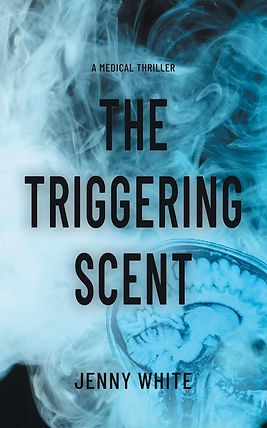
Ready to experience character-driven medical suspense grounded in real healthcare knowledge? Discover The Triggering Scent and enter the world of Abbey Roberts, a nurse protagonist navigating the high-stakes intersection of patient care, personal survival, and moral obligation. Get your copy today and find out why readers are calling this the most authentic medical thriller they've encountered.
This article was written using GrandRanker


Comments