



Best Psychological Medical Thrillers: 7 Gripping Reads
Table of Contents
What Defines a Psychological Medical Thriller The Intersection of Suspense and Clinical Authenticity Why Medical Settings Amplify Psychological Tension
The Intersection of Suspense and Clinical Authenticity
Why Medical Settings Amplify Psychological Tension
Best Medical Thriller Books Across Key Sub-Genres Classic Medical Thrillers with Psychological Depth Hospital-Based Mysteries and Psychiatric Suspense Bio-Terrorism and Outbreak Thrillers Neuropsychology-Focused Thrillers
Classic Medical Thrillers with Psychological Depth
Hospital-Based Mysteries and Psychiatric Suspense
Bio-Terrorism and Outbreak Thrillers
Neuropsychology-Focused Thrillers
7 Essential Psychological Medical Thrillers to Read Now 1. The Triggering Scent by Jenny White 2. The Silent Patient by Alex Michaelides 3. Ward D by Freida McFadden 4. Before I Go to Sleep by S.J. Watson 5. The Andromeda Strain by Michael Crichton 6. When the Bough Breaks by Jonathan Kellerman 7. The Wonder by Emma Donoghue
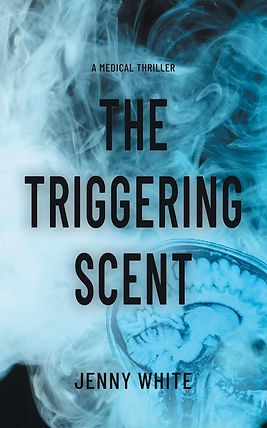
1. The Triggering Scent by Jenny White
2. The Silent Patient by Alex Michaelides
3. Ward D by Freida McFadden
4. Before I Go to Sleep by S.J. Watson
5. The Andromeda Strain by Michael Crichton
6. When the Bough Breaks by Jonathan Kellerman
7. The Wonder by Emma Donoghue
How to Write a Medical Thriller with Psychological Depth Balancing Medical Accuracy with Narrative Tension Crafting Ethically Complex Characters in Clinical Settings Building Suspense Through Realistic Medical Scenarios
Balancing Medical Accuracy with Narrative Tension
Crafting Ethically Complex Characters in Clinical Settings
Building Suspense Through Realistic Medical Scenarios
Medical Accuracy in Psychological Medical Thrillers When Authors Get It Right: Clinical Realism vs. Dramatization Common Medical Misconceptions in the Genre
When Authors Get It Right: Clinical Realism vs. Dramatization
Common Medical Misconceptions in the Genre
Conclusion
Last Updated: July 12, 2026
What Defines a Psychological Medical Thriller
A psychological medical thriller weaves clinical authenticity with psychological tension, using medical settings as laboratories for human fear and moral complexity. Hospitals create natural pressure cookers: confined hierarchies, life-or-death stakes, and ethical gray zones where psychological breakdown becomes inevitable.
What separates a psychological medical thriller from standard hospital drama is its obsessive focus on what happens inside a character's mind when medical reality collides with suspicion, trauma, or deception. These aren't procedurals where doctors solve cases, they're deep dives into paranoia, memory, identity, and the fragile boundary between healer and harmer.
The Intersection of Suspense and Clinical Authenticity
The most gripping psychological medical thrillers refuse to sacrifice medical realism for plot convenience. Authors like Freida McFadden and Alex Michaelides ground narratives in genuine clinical knowledge, making psychological horror feel inevitable rather than contrived. When a psychiatrist understands neurotransmitter imbalances, a character's unreliable narration becomes medically plausible. This authenticity transforms entertainment into something that lingers because readers believe the impossible.
Why Medical Settings Amplify Psychological Tension
Hospitals are inherently unsettling. You're surrounded by strangers with life-or-death power over your body, vulnerable and medicated, while authority figures control information about your own health. These dynamics create natural psychological pressure that fiction exploits brilliantly.
In a psychological medical thriller, the hospital becomes a character itself. A locked psychiatric ward is a perfect locked-room mystery. An ICU is where patients can't speak for themselves. A research facility becomes an isolated island where ethics dissolve. The medical setting amplifies every psychological threat because readers already fear hospitals.
Pro Tip The best psychological medical thrillers use medical jargon sparingly but accurately. The sweet spot uses enough technical language that readers trust the author's knowledge, then focuses on character psychology rather than medical procedure.
Best Medical Thriller Books Across Key Sub-Genres
Classic Medical Thrillers with Psychological Depth
Classic medical thrillers, pioneered by Robin Cook and Michael Palmer, focus on medical conspiracies and institutional corruption. What distinguishes psychological variants is their emphasis on the protagonist's internal conflict, not just solving the mystery, but questioning whether you're mentally stable enough to trust your own judgment.
Michael Crichton's The Andromeda Strain exemplifies this approach. A deadly microorganism threatens extinction, but the psychological pressure of scientists working in extreme isolation, knowing any mistake means global catastrophe, becomes the real crisis.
Hospital-Based Mysteries and Psychiatric Suspense
Hospital-based mysteries confine action to a single facility, creating locked-room mystery dynamics. Psychiatric thrillers exploit the unique vulnerability of mental health settings, where patients already struggle to trust their own perceptions.
Freida McFadden's Ward D exemplifies this perfectly. A medical student working an overnight shift in a locked psychiatric ward discovers patients and staff disappearing. The horror escalates because the protagonist can't leave, the ward is literally locked. Readers can't be certain whether the protagonist experiences genuine crisis or mental health episode, making them complicit in the same doubt that isolates vulnerable people.
Bio-Terrorism and Outbreak Thrillers
Bio-terrorism thrillers elevate stakes from individual crime to civilization-level threat. Michael Crichton's The Andromeda Strain remains the gold standard, where scientists must contain a deadly organism while working in complete isolation under apocalyptic pressure, disagreeing on strategy, knowing a single mistake means extinction.
These narratives work because they combine medical authenticity with apocalyptic stakes. That credibility makes psychological unraveling feel inevitable.
Neuropsychology-Focused Thrillers
Neuropsychology thrillers center on disorders of mind and brain, amnesia, dissociative identity disorder, dementia, traumatic brain injury, exploiting the horror of not trusting your own mind.
S.J. Watson's Before I Go to Sleep follows a woman with severe amnesia who wakes each morning with no memory. A doctor helps piece together her life through journal entries, but contradictions emerge. She can't trust her own mind or the people claiming to help her. The medical condition becomes the mechanism for psychological terror.
Key Takeaway The most effective psychological medical thriller sub-genres exploit existing anxiety about losing control over mind or body. The medical setting provides both mechanism and metaphor for psychological breakdown.
7 Essential Psychological Medical Thrillers to Read Now
1. The Triggering Scent by Jenny White
Jenny White's debut launches the Abbey Roberts RN series with a protagonist who brings authentic medical knowledge to suspenseful narrative. White's background as a retired RN gives medical details credibility that many thrillers lack.

The novel combines realistic hospital settings with intense emotional journeys, exploring ethical dilemmas in clinical practice. White's experience as a brain tumor survivor informs exploration of resilience and recovery, adding psychological depth to medical elements.
2. The Silent Patient by Alex Michaelides
Alex Michaelides' The Silent Patient centers on a criminal psychotherapist obsessed with understanding why a famous painter shot her husband and stopped speaking. The protagonist, Theo Faber, is a psychotherapist whose expertise becomes his blindness. His obsession with treating the silent patient becomes the narrative engine as readers watch him cross ethical lines while believing he's helping.
3. Ward D by Freida McFadden
McFadden's Ward D confines action to a locked psychiatric ward where a medical student discovers patients and staff disappearing. The claustrophobic setting, unreliable narrator, and psychiatric context create psychological suspense. McFadden exploits psychiatric patients' inherent vulnerability, when the protagonist reports disappearances, staff dismiss concerns as symptoms.
4. Before I Go to Sleep by S.J. Watson
Watson's Before I Go to Sleep follows Christine Lucas, a woman with severe amnesia who wakes with no memory of her past. A doctor helps piece together her life through journal entries, but contradictions emerge. Christine can't trust her own mind or those around her, creating genuine epistemic helplessness.
5. The Andromeda Strain by Michael Crichton
Crichton's The Andromeda Strain remains the definitive bio-terrorism thriller. A deadly extraterrestrial organism threatens humanity. Scientists must contain it while working in extreme isolation under apocalyptic pressure. Crichton's medical background informs scientific authenticity, making psychological unraveling feel inevitable.
6. When the Bough Breaks by Jonathan Kellerman
Kellerman's When the Bough Breaks introduces Alex Delaware, a child psychologist consulting with police on complex cases. Kellerman's psychology background gives narrative credibility. Delaware understands trauma and child development, but repeated exposure to human cruelty affects even trained psychologists.
7. The Wonder by Emma Donoghue
Donoghue's The Wonder takes a historical approach to the psychological medical thriller. A nurse observes a young girl claiming to have survived months without eating. Psychological tension emerges from uncertainty about whether the girl is genuinely not eating, whether parents are delusional, or whether the nurse's skepticism is failing to recognize something beyond her understanding.
Watch Out Readers new to psychological medical thrillers often expect constant action. The Wonder and Before I Go to Sleep prioritize psychological tension and atmosphere over constant plot momentum. These slower-burn narratives reward patient readers with deeper psychological insight.
How to Write a Medical Thriller with Psychological Depth
Creating a psychological medical thriller requires balancing medical accuracy, narrative momentum, and psychological complexity.
Balancing Medical Accuracy with Narrative Tension
Medical reality is often slower than thriller pacing demands. The solution isn't abandoning accuracy for speed, it's selecting which medical details matter and compressing the timeline for everything else.
If your plot hinges on medication interaction, research it obsessively and depict it accurately. For administrative overhead and routine clinical work, you can compress or omit without losing credibility. Making medical timeline part of psychological pressure, a character racing against disease progression, turns medical slowness into narrative tension.
Crafting Ethically Complex Characters in Clinical Settings
Medical settings naturally create ethical complexity. Doctors have power over patients. Institutions prioritize liability over transparency. Profit motives conflict with patient care. The most compelling characters are caught in genuine ethical dilemmas where there's no right answer.
A doctor falsifying test results to avoid alarming a terminally ill patient. A nurse administering pain medication knowing it hastens death. A researcher bending protocols to save a dying patient. These aren't villains, they're professionals making impossible choices under pressure. Research actual ethical dilemmas healthcare professionals face to craft authentic complexity.
Building Suspense Through Realistic Medical Scenarios
Effective thrillers build suspense from plausible scenarios readers haven't fully considered: medication errors cascading through a patient's system, diagnostic tests misinterpreted, incomplete medical histories. These scenarios are terrifying because they're realistic.
The psychological dimension comes from exploring how these scenarios affect characters. A doctor living with knowledge their mistake harmed someone. A patient discovering their health understanding was wrong. A healthcare worker deciding whether to report institutional negligence and face retaliation.
Medical Accuracy in Psychological Medical Thrillers
Credibility depends entirely on medical accuracy in plot-critical details. Readers forgive compressed timelines and narrative convenience but won't forgive medical inaccuracy in core elements.
When Authors Get It Right: Clinical Realism vs. Dramatization
The best thrillers distinguish between clinical realism and dramatization. They get medical facts right while dramatizing emotional and psychological consequences.
Freida McFadden's psychiatric knowledge informs Ward D accurately. Psychiatric wards operate with specific security protocols. Patients are vulnerable to exploitation. Staff dynamics create dangerous power imbalances. These clinical realities are accurate. What McFadden dramatizes is the psychological horror of being trapped unable to trust your perceptions.
Common Medical Misconceptions in the Genre
Misconception 1: Psychiatric medications work instantly. Antidepressants take weeks to reach therapeutic levels. Instant effects lose credibility.
Misconception 2: Dissociative identity disorder is more common than it is. DID is rare and controversial among clinicians. Overuse as plot twist feels contrived.
Misconception 3: Hospitals have no medication oversight. Modern hospitals have extensive protocols, bar codes, double-checks, and electronic records.
Misconception 4: Medical tests produce instant results. Blood tests, imaging, and pathology reports take time.
Misconception 5: Doctors can prescribe anything without question. Controlled substances are tracked. Unusual prescribing patterns trigger reviews.
The solution is research. Read medical textbooks. Interview healthcare professionals. Understand how medications work, how diagnostic tests function, how hospital systems operate.
The psychological medical thriller genre thrives because it combines two powerful anxieties: fear of medical systems and fear of psychological breakdown. The best thrillers succeed because they ground psychological suspense in clinical authenticity. Jenny White's approach, drawing on her background as a retired registered nurse and brain tumor survivor, demonstrates how lived experience creates the authenticity that makes psychological suspense resonate. Her Abbey Roberts RN series combines realistic hospital drama with intense emotional storytelling, delivering the immersive reading experience fans of this genre crave.
Frequently Asked Questions
What defines a psychological medical thriller?
A psychological medical thriller combines clinical authenticity with psychological suspense, typically set in hospitals, laboratories, or medical environments. These thrillers explore ethical dilemmas, mental health complexities, and the tension between patient care and darker motives. Unlike pure psychological suspense, they ground tension in realistic medical procedures, pathology, and healthcare settings. Readers appreciate the blend of procedural detail with character-driven psychological conflict.
What are the best medical thriller books for readers new to the genre?
For newcomers, start with accessible page-turners like Ward D by Freida McFadden (fast-paced psychiatric mystery) or The Silent Patient by Alex Michaelides (psychological suspense with clinical undertones). For those wanting authentic hospital drama, The Triggering Scent by Jenny White offers immersive medical detail written by a retired RN. The Andromeda Strain by Michael Crichton is ideal if you prefer science-based fiction with outbreak scenarios. Each offers different entry points into the genre.
How do neuropsychology-focused thrillers differ from general medical thrillers?
Neuropsychology-focused thrillers center on brain function, memory, identity, and mental health rather than general medical crises. Books like Before I Go to Sleep explore amnesia and trauma recovery, while When the Bough Breaks examines psychological trauma through a clinical lens. These thrillers prioritize the intersection of neuroscience and criminal behavior, offering deeper exploration of how the mind can be both victim and weapon in suspenseful narratives.
How to write a medical thriller that feels authentic?
Authenticity requires research into specific medical fields, pathology, cardiology, psychiatry, relevant to your plot. Draw on real clinical procedures and ethical dilemmas healthcare professionals face. Create characters with genuine medical knowledge; retired nurses and doctors often write the most credible thrillers. Balance technical detail with narrative pacing; too much jargon slows tension. Ground psychological conflict in realistic patient care scenarios and medical ethics violations to create suspense readers find plausible and compelling.
This article was written using GrandRanker


Comments