



What Are the Best Non-Fiction Books for Medical Drama Fans?
Last Updated: October 27, 2026
Quick Summary
The best medical drama books in non-fiction are medical memoirs, first-person accounts of illness, training or clinical practice written by the people who lived them. Start with When Breath Becomes Air by Paul Kalanithi, The Undying by Anne Boyer, or The Nurses, then pick your intensity level and perspective before buying.
Medical memoir means a first-person account written by the person who lived it, not a novelist.
When Breath Becomes Air is by a neurosurgeon turned patient and rates high intensity.
The Undying is the most intellectually aggressive title on the list and is not for comfort reading.
The Nurses suits anyone tired of doctor-only narratives and rates medium intensity.
Verify the author's background and check content warnings before you buy any title.
Table of Contents
Why Medical Drama Fans Keep Reaching for Non-Fiction
The appeal is simple: a scripted hospital can invent a diagnosis, but a real surgeon has to live with the one they missed. That gap between the writers' room and the ward is exactly what sends viewers of medical dramas hunting for medical drama books, the best non-fiction ones, anyway. Readers may want the tension of a season finale, but they want it real. This same desire for clinical precision often extends beyond the operating theater to the sidelines, where the complexities of human performance are dissected in sports injury assessment books.
Medical memoir is the genre term for a first-person account of illness, training, or clinical practice, written by the person who lived it rather than a novelist imagining it. That distinction matters. A physician writing about a diagnosis they delivered, or a patient describing treatment from the other side of the bed, gives you something fiction cannot: a firsthand account with no plot armour.
Below are titles to consider, what each one feels like to read, and who should skip it. If you have ever finished an episode and wondered how much of it was true, why hospital dramas feel so unrealistic is the deeper look you want next.
Quick Comparison: Best Non-Fiction Books for Medical Drama Fans
Here is the shortlist at a glance. Every title is nonfiction, and every one earns its place for a different reason.
Title | Author | Perspective | Intensity | Best For |
When Breath Becomes Air | Paul Kalanithi | Neurosurgeon turned patient | High | Readers who want mortality with their medicine |
The Undying | Anne Boyer | Patient | High | Readers who want ideas, not sentiment |
The Nurses | Various | Nursing staff | Medium | Anyone tired of doctor-only narratives |
Confessions of a Surgeon | Surgeon | Surgeon | Medium-high | Fans of the OR |
The Butchering Art | Lindsey Fitzharris | Historical | Medium | Readers who like history with their gore |
The Facemaker | Lindsey Fitzharris | Historical | Medium | Readers drawn to surgery and reconstruction |
Stiff | Mary Roach | Investigative | Low-medium | Readers who want curiosity, not grief |
Final Exam | Physician | Physician | Medium | Readers exploring clinical decision-making |
Pick your intensity level first, then your perspective.
Medical Memoirs That Read Like a Season Finale
But what makes them work for medical-drama viewers is not just the story, it is the clinical texture and the emotional register. For more emotionally intense narratives, see this roundup of medical trauma fiction. Here is a description of each book.

When Breath Becomes Air by Paul Kalanithi
Paul Kalanithi was a neurosurgeon at the end of a decade of training when a terminal diagnosis turned him into the patient. The book moves between the brain and the bedside, and it is the clearest account we know of what clinical decision-making looks like when the clinician is the one dying.
Clinical detail: Kalanithi describes neurosurgery, tumor resections, the anatomy of the brain, the weight of a diagnosis delivered to a patient who understands every word. The book describes risk, prognosis, and the limits of treatment.
Tone and intensity: Reflective, unsentimental, and often devastating. The prose is controlled, but the subject matter, terminal illness, a young family, the collapse of a career, is emotionally heavy.
Content advisory: Terminal illness, death, grief, and discussions of palliative care.
Format: Available in hardcover, paperback, e-book, and audiobook. The audiobook is narrated by Sunil Malhotra and Cassandra Campbell and runs about 5 hours 30 minutes.
Best for: readers who want the doctor-patient relationship examined from both sides at once, and who appreciate a medically precise account of neurosurgery and diagnosis. Skip if: terminal illness is too close to home right now.
The Undying by Anne Boyer
Anne Boyer writes about illness as a system, not a story. Her account of treatment takes aim at the healthcare system, at corporations, and at the tidy recovery narrative that medical dramas love. It is the most intellectually aggressive book on this list, and the one most likely to change how you watch hospital television afterwards.
Clinical detail: Boyer documents her treatment for triple-negative breast cancer, chemotherapy, surgery, and the bureaucratic machinery of healthcare, with a poet's eye for the absurd and the infuriating. She is less interested in the mechanics of diagnosis than in how illness is priced, marketed, and narrated. Readers looking for clinical decision-making will find it, but filtered through a critic's lens.
Tone and intensity: Angry, cerebral, and formally inventive. Boyer mixes memoir with essay, and the result is challenging rather than comforting. The emotional intensity is high, but it is intellectual intensity as much as grief.
Content advisory: Cancer, chemotherapy, surgery, and frank discussion of mortality. The tone is confrontational, not graphic.
Format: Hardcover, paperback, e-book, and audiobook. The audiobook runs about 7 hours and is read by the author.
Best for: readers who want a personal story with argument built in, and who are interested in the healthcare system as much as the doctor-patient relationship. Skip if: you want comfort.
Books About Hospitals: Inside the Ward, the ICU and the OR
Books about hospitals can show parts television cuts: the shift handover, the hierarchy, the paperwork that decides who gets seen.
The Nurses and Confessions of a Surgeon
The Nurses focuses on nursing and clinical care. Confessions of a Surgeon covers surgery, emergency medicine, and medical mistakes.
True Stories About Medicine That Rival Any Scripted Plot
History is one source of true stories about medicine.
The Butchering Art and The Facemaker by Lindsey Fitzharris
The Butchering Art covers the era before antiseptics. The Facemaker follows the reconstruction of facial injuries.
Stiff by Mary Roach and Final Exam
Stiff examines human cadavers and the people who work with them. Final Exam follows a physician through questions about diagnosis and treatment.
Books Like Medical Dramas: Matching Tone, Intensity and Perspective
Books like medical dramas can be considered by tone, clinical detail, and perspective.
Beyond the Physician Memoir: Nurses, Patients and Cultural Conflict
Healthcare is a team sport. The Spirit Catches You and You Fall Down is an example of a case where medical ethics, language, and culture collide.
Nursing narratives offer another perspective on the healthcare system.
How We Chose These Titles and What to Check Before You Buy
This list focuses on nonfiction.
A few practical checks before you spend:
Verify the author's background. A physician, nurse, or patient writing their own account is a different product from a journalist summarising one. Readers weighing accuracy can consult this guide to medical thriller books with accuracy.
Check the content warnings. Terminal illness, dementia and Alzheimer's disease, and graphic surgery all appear on this list.
Read the sample chapter. Voice matters more than subject in this genre.
Confirm the edition. Some titles have updated forewords worth having.
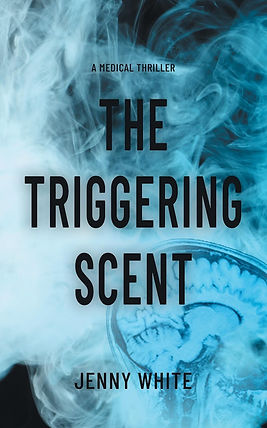
Jenny White is a retired registered nurse and brain tumor survivor who writes medical thrillers featuring an authentic hospital setting, ethical dilemmas, and realistic medical drama. Readers describe The Triggering Scent as a thriller that kept them hooked from the first chapter, and say Abbey’s struggles had an emotional impact. Get started with Jenny White and read the Abbey Roberts RN series.
Frequently Asked Questions
What are the best non-fiction books about hospitals?
Start with The Nurses, which looks at nursing roles inside clinical care, and Confessions of a Surgeon, which takes the surgical perspective. Pair them with The Spirit Catches You and You Fall Down for a look at how cultural differences shape care inside a hospital setting. Read the publisher description first so you know whether the book is a memoir, reportage or a historical account before you commit.
Which medical memoirs are gripping and easy to read?
When Breath Becomes Air by Paul Kalanithi follows a neurosurgeon facing a terminal diagnosis. If you want another perspective, The Undying by Anne Boyer is also on the list. The Triggering Scent is a medical thriller by Jenny White, a retired registered nurse and brain tumor survivor.
What books about doctors and nurses feel like a medical drama?
The Triggering Scent, written by a retired registered nurse, is a medical thriller featuring an authentic hospital setting, realistic medical details, and ethical dilemmas.
Are there non-fiction books about the real lives of nurses?
Yes. The Nurses is a title to consider. The Triggering Scent is written by a retired RN and follows an RN protagonist in a high-stakes hospital story.
Which medical non-fiction books explore ethical dilemmas in healthcare?
The Spirit Catches You and You Fall Down is a book about ethical and cultural conflict. When Breath Becomes Air raises questions about treatment near the end of life. The Triggering Scent is a medical thriller that explores ethical dilemmas in a medical context.
Buy now
Add jennywhite.ca as a preferred source on Google →

Comments