



Medical Trauma Fiction: Books That Heal
Updated: Sep 16
Table of Contents
Why Medical Trauma Fiction Matters
The Difference Between Medical Thrillers and Medical Trauma Stories
Fiction Books About Chronic Illness and Trauma
Still Alice: Living With Cognitive Decline
A Monster Calls: Grief and Loss Through a Child's Eyes
My Name Is Lucy Barton: Recovery and Reconciliation
Books About Medical Gaslighting in Fiction
The Silent Patient: Trauma and the Search for Truth
State of Wonder: Medical Error and Its Aftermath
Authentic Medical Settings and Institutional Trauma
Bloodletting & Miraculous Cures: Inside the Healthcare System
Doctors and Friends: Resilience Through Shared Experience
Recovery and Resilience Narratives
A Heart in a Body in the World: Healing From PTSD
The Birth House: Women's Health and Empowerment
Choosing the Right Medical Trauma Book for Your Healing Journey
Conclusion
Last Updated: August 12, 2026

Why Medical Trauma Fiction Matters
Fiction about medical trauma serves a purpose beyond entertainment. For survivors of medical crises, healthcare workers navigating ethical dilemmas, and anyone processing illness or institutional failure, these narratives offer validation through story that clinical language cannot.
Medical trauma fiction acknowledges that surviving an illness, injury, or medical error is often where the real struggle begins. The psychological impact shapes how people trust their bodies, doctors, and futures. When a book captures that complexity authentically, it becomes more than a story, it becomes a mirror.
This distinction matters because medical trauma fiction differs fundamentally from medical thrillers. A thriller prioritizes plot twists and suspense. Medical trauma fiction prioritizes emotional truth. According to research on narrative medicine and healing, reading stories that authentically portray medical experiences can support psychological recovery and reduce feelings of isolation in survivors.

The Difference Between Medical Thrillers and Medical Trauma Stories
Medical thrillers and medical trauma fiction are often confused because both are set in clinical environments. The difference lies in what the story is actually about.
A medical thriller uses a hospital as a backdrop for suspense, typically involving a conspiracy, mystery, or dangerous mistake that needs uncovering. Medical trauma fiction uses medical crisis as the emotional and psychological center, exploring how people respond to illness, loss, institutional failure, or the aftermath of survival.
The distinction matters because it determines what you'll experience. A medical thriller keeps you turning pages because you need to know what happens next. Medical trauma fiction stays with you because it captures something true about suffering and survival that you recognize in your own life.
This guide prioritizes medical trauma fiction over thrillers, focusing on authenticity: books that understand what medical trauma actually feels like, often written by authors with direct experience in medicine or survival.
Fiction Books About Chronic Illness and Trauma
Still Alice: Living With Cognitive Decline
Still Alice follows Alice Howland, a Harvard professor of psycholinguistics, as she navigates early-onset Alzheimer's disease. The novel captures cognitive decline from the inside: moments of clarity interrupted by gaps, forgotten words mid-sentence, disorientation and humiliation.
What makes this book essential is how it explores identity fracturing when the mind becomes unreliable. Alice's entire sense of self was built on intellectual achievement. As that capacity erodes, she confronts fundamental questions about what remains when the thing that defined you is gone. The novel also captures how medical trauma radiates outward, affecting her children and husband as they navigate caregiver roles while mourning the partner and parent they knew.
A Monster Calls: Grief and Loss Through a Child's Eyes
A Monster Calls approaches medical trauma through a thirteen-year-old boy whose mother is dying of cancer. The novel uses magical realism, a monster visits Conor at night, to explore how children process grief and loss.
What's powerful is how it captures the emotional truth of watching a parent deteriorate while being too young to fully understand or control what's happening. Conor experiences anger, denial, guilt, and desperate wishes for things to be different. The book doesn't shy away from the physical reality of cancer treatment, but it also captures how children internalize blame during parental illness and eventually learn to accept what they cannot change.
My Name Is Lucy Barton: Recovery and Reconciliation
My Name Is Lucy Barton tells the story of Lucy, a writer recovering from abdominal surgery, when her estranged mother unexpectedly visits. The novel unfolds through their conversation, a reckoning with family history, poverty, abuse, and the long process of becoming yourself despite the damage done to you.
The medical crisis is the surgery, but the real trauma being processed is relational and historical. What makes this book remarkable is how it portrays recovery as more than physical healing. Lucy's body will heal from surgery, but her relationship with her mother and her ability to trust require a different kind of recovery involving vulnerability, conversation, and willingness to be seen.
Books About Medical Gaslighting in Fiction
The Silent Patient: Trauma and the Search for Truth
The Silent Patient centers on Alicia Berenson, a famous painter who shoots her husband five times and then never speaks another word. Theo Faber, a psychotherapist, becomes obsessed with uncovering why she killed him and why she refuses to speak.
The novel explores medical gaslighting through psychiatric diagnosis and institutional power. Alicia is institutionalized where she is diagnosed, medicated, and treated based on assumptions that may be entirely wrong. The book raises uncomfortable questions about how institutions diagnose and treat patients, especially when those patients cannot or will not speak for themselves. For readers who have experienced medical gaslighting, The Silent Patient validates the fear that the system designed to help can also harm you.
State of Wonder: Medical Error and Its Aftermath
State of Wonder follows Marina Singh, a pharmaceutical researcher, as she travels to a remote research station in the Amazon to investigate a colleague's death and a drug trial's status. The novel's true subject is the long shadow cast by medical error and professional guilt.
The medical trauma at the heart is a mistake made years earlier by Marina's mentor, Dr. Annick Swenson. A patient died as a result of an experimental procedure. The error was never fully acknowledged; instead, it was buried, and both have spent years living with the knowledge and their complicity in its concealment. For healthcare professionals who have made mistakes or struggled with ethical weight, State of Wonder offers complex exploration of what comes after the mistake and how you live with it.
Authentic Medical Settings and Institutional Trauma
Bloodletting & Miraculous Cures: Inside the Healthcare System
Bloodletting & Miraculous Cures is a collection of interconnected short stories by Vincent Lam, a Canadian physician, following characters through medical school, residency, and the SARS outbreak in Toronto. The book offers distinct perspectives shaped by Canada's healthcare system.
What distinguishes this collection is its focus on the healthcare system itself as a source of trauma. Characters navigate institutional pressures, resource limitations, ethical dilemmas, and the emotional toll of bearing witness to illness and death day after day. The SARS outbreak sections capture a moment when the healthcare system was overwhelmed, when doctors and nurses made impossible choices with incomplete information, when the boundary between professional duty and personal safety became dangerously blurred.
For healthcare workers, there's profound validation in seeing the system portrayed honestly, not as a place of heroic achievement but as a complex, often broken institution where good people do their best within impossible constraints.
Doctors and Friends: Resilience Through Shared Experience
Doctors and Friends follows a group of close friends, all medical professionals, as they navigate a devastating pandemic. The novel balances suspense with deep character work, exploring themes of friendship, grief, and resilience.
What's remarkable is how it portrays medical trauma not as an individual experience but as a collective one. Written by Kimmery Martin, a former emergency medicine physician, the clinical details and emotional reality of working in medicine during crisis feel authentic. The book doesn't romanticize healthcare workers as heroes but shows them as exhausted, frightened, grieving people trying to do their jobs while their own lives fall apart.
Recovery and Resilience Narratives
A Heart in a Body in the World: Healing From PTSD
A Heart in a Body in the World follows Annabel, a young woman dealing with post-traumatic stress disorder and survivor's guilt, who decides to run across the country. The novel uses physical movement as a metaphor for emotional healing, grounded in realistic portrayal of what PTSD actually feels like.
Annabel experiences panic attacks, flashbacks, and disconnection from her own body. Running doesn't cure these symptoms, but it gives her a way to process them. What makes this book valuable is its refusal to offer easy resolution. Annabel learns to live with trauma, develops coping strategies, builds relationships, and gradually reclaims her sense of agency and safety.
The Birth House: Women's Health and Empowerment
The Birth House is set in early twentieth-century Nova Scotia and follows Dora Rare as she learns midwifery and faces challenges from modern medicine and societal change. The novel explores the clash between traditional and modern approaches to women's health and the marginalization and reclamation of women's medical knowledge.
Dora learns midwifery from her grandmother and becomes skilled at supporting women through pregnancy and birth. But as modern medicine advances and doctors claim authority over childbirth, midwifery is criminalized and women lose control over their own bodies and birth experiences. The novel explores how medical trauma is sometimes chronic, systemic, and embedded in institutions that claim to be helping you, while also celebrating resilience and community as women support each other and knowledge is passed down.
Choosing the Right Medical Trauma Book for Your Healing Journey
Medical trauma fiction serves different purposes depending on where you are in your own healing journey. Some readers need stories that validate their experience. Others need stories showing recovery is possible.
If you're newly dealing with a medical crisis or trauma, you might gravitate toward less emotionally intense books. A Monster Calls or The Birth House might feel more manageable than Still Alice or The Silent Patient.
If you're further along in recovery and looking for stories of resilience and meaning-making, A Heart in a Body in the World or My Name Is Lucy Barton might resonate more deeply.
If you work in healthcare and need validation that the system's complexity and ethical weight are real and difficult, Bloodletting & Miraculous Cures or Doctors and Friends offer that recognition.
Consider also the format of the trauma being explored. If your experience involves chronic illness, Still Alice or The Birth House might feel most relevant. If you've experienced medical gaslighting or institutional failure, The Silent Patient or State of Wonder might speak to your experience more directly.
Pay attention to trigger warnings and content notes. Many of these books deal with illness, death, and psychological distress. Reading a book that mirrors your trauma too closely can sometimes be retraumatizing rather than healing.
The goal of reading medical trauma fiction is not to relive pain but to feel less alone in it. The best book for your healing journey is the one that offers that through validation, understanding, resilience, or simply the knowledge that others have endured similar experiences and survived.
Medical trauma fiction exists because medical trauma is real. These books matter because they acknowledge that surviving illness, medical error, or institutional failure requires more than physical healing. They create space for the emotional and psychological dimensions of medical experience that clinical language often leaves out.
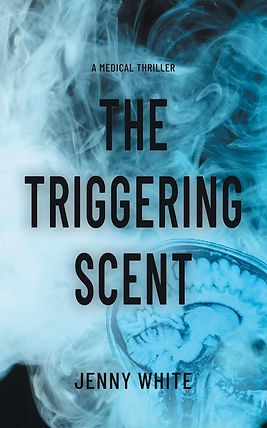
Jenny White's debut novel, The Triggering Scent, continues this tradition. As a retired registered nurse and brain tumor survivor, White brings authentic clinical knowledge and lived experience to medical thriller fiction. Her work explores resilience, ethical dilemmas, and the complexities of recovery through the lens of a protagonist who understands both the professional and personal dimensions of hospital work. For readers seeking medical trauma fiction that blends suspenseful storytelling with genuine insight into healthcare, Jenny White's work offers the authenticity that comes from lived experience in both nursing and survivorship.
Frequently Asked Questions
How does reading fiction about medical trauma help with healing?
Fiction about medical trauma allows readers to process their own experiences through narrative. When characters navigate hospitalization, chronic illness, or institutional failure, readers recognize their own emotional journey reflected on the page. This validation reduces isolation and helps normalize the psychological recovery process. Therapeutic reading creates distance, you're observing another person's struggle, while still engaging emotionally. Many trauma survivors report that seeing a character's resilience unfold on the page strengthens their own belief in recovery.
What is the difference between medical trauma fiction and medical thrillers?
Medical thrillers prioritize plot twists, suspense, and mystery within a clinical setting. Medical trauma fiction prioritizes emotional authenticity and the psychological impact of medical experiences. A thriller might feature a hospital conspiracy; medical trauma fiction explores how a patient processes a misdiagnosis or how a healthcare worker copes with witnessing suffering. The distinction matters for readers seeking stories that honor the emotional weight of medical experiences rather than treating illness as a plot device.
Are there novels that accurately depict medical gaslighting and institutional failure?
Yes. State of Wonder examines how medical professionals rationalize errors and the shame that follows. The Silent Patient explores how institutional settings can misdiagnose trauma and silence patients. Bloodletting & Miraculous Cures shows systemic healthcare challenges through interconnected narratives. These books don't sensationalize institutional failure; they show how good people work within flawed systems. They validate readers who've experienced dismissal or misdiagnosis by confirming that these patterns are real, documented, and worth questioning.
What makes Jenny White's The Triggering Scent different from other medical fiction?
The Triggering Scent is written by a retired registered nurse and brain tumor survivor, which means the clinical details and emotional journey come from lived experience, not research. The Abbey Roberts RN series combines authentic hospital dynamics with the ethical dilemmas healthcare workers face daily. Unlike generic medical thrillers, this series prioritizes the nurse's perspective and explores resilience from someone who has survived both professional trauma and personal illness. The combination of accuracy and emotional depth creates immersive storytelling that healthcare professionals and trauma survivors specifically trust.
Buy now
This article was written using GrandRanker


Comments