



Is ICU Nursing Worth the Stress? A Realistic Verdict
Updated: Sep 16
Table of Contents
The Reality of ICU Stress: What You're Actually Facing
ICU Nurse Burnout Rates and What the Numbers Tell Us
Critical Care Nursing Career Pros and Cons
The Rewards: Clinical Mastery and Patient Impact
The Costs: Emotional Toll and Work-Life Balance
Strategies for Managing Nursing Stress in Critical Care
Who Should Pursue ICU Nursing, And Who Shouldn't
The Authentic Portrayal: What Fiction Gets Right About ICU Life
Is It Worth It? The Honest Answer
Last Updated: August 27, 2026
The Reality of ICU Stress: What You're Actually Facing
Is ICU nursing worth the stress? That's the question Jenny White explores through her medical thrillers, where her protagonist Abbey Roberts navigates the relentless demands of critical care. The answer isn't simple, and it shouldn't be glossed over with platitudes about "calling" or "purpose."
The ICU environment operates fundamentally differently from general floor nursing. Patient acuity is higher, decision-making happens faster, and the margin for error is narrower. An ICU nurse manages two or three patients who can deteriorate in minutes, a cognitive and emotional difference that compounds across twelve-hour shifts.

The stress is the weight of split-second decision-making, recognizing subtle changes in a patient's condition, and managing hemodynamic monitoring, ventilator settings, and medication titrations that directly affect whether someone lives or dies. Most shifts include at least one moment where you're the only person who notices something's wrong, and your action matters.
What makes this different from other high-stress jobs is the emotional dimension. You're managing end-of-life care, family expectations, ethical dilemmas, and your own compassion fatigue. You hold someone's hand while they die, explain to a family why their loved one isn't improving, and advocate for patients who can't advocate for themselves. Then you clock out and try to sleep.
Many ICU nurses report that nursing fatigue and compassion fatigue are their biggest professional challenges. This is the context you need to understand before deciding whether ICU nursing is worth the stress for you.
ICU Nurse Burnout Rates and What the Numbers Tell Us
Burnout in critical care is widespread. The combination of patient acuity, emotional labor, and staffing pressures creates a perfect storm for exhaustion.
Patient ratios matter, units with lower ratios tend to have better retention and lower burnout scores. Staffing stability matters. Units that cycle through temporary staff or operate chronically short-handed see higher turnover. Work-life balance matters. Nurses working consistent twelve-hour shifts with predictable schedules report better emotional resilience than those working irregular rotations.
Some nurses thrive in the ICU environment for decades. Others burn out after two years. The difference isn't always about resilience; sometimes it's about the specific unit culture, physician collaboration, support systems available, or whether the organization treats nursing as a profession or a cost center.
According to the Canadian Association of Critical Care Nurses (CACCN), professional development and access to specialty certification resources significantly correlate with job satisfaction and retention. Nurses who feel supported in their professional growth tend to have lower burnout scores. This suggests that burnout is partially structural and can be mitigated by organizational choices.
Burnout is a real risk in ICU nursing, but it's not a guaranteed outcome. Your experience will depend heavily on your unit, your team, your manager, and your own coping strategies.
Critical Care Nursing Career Pros and Cons
The Rewards: Clinical Mastery and Patient Impact
ICU nursing offers genuine professional gratification. You develop advanced clinical skills, reading hemodynamic waveforms, managing complex medication interactions, recognizing subtle signs of sepsis, and making decisions that directly affect patient outcomes.
The intellectual engagement is substantial. Critical thinking is the baseline. You're constantly troubleshooting, anticipating complications, and adjusting your approach based on real-time data. For nurses who find routine work boring, this is compelling.
The patient impact is real. Many ICU patients survive because of nursing vigilance and advocacy. You're part of multidisciplinary teams where your voice matters and your input is valued. That sense of contribution, of knowing you genuinely saved someone's life, is powerful.
Career advancement opportunities exist, particularly for nurses pursuing specialty certification. The Canadian Nurses Association (CNA) offers Critical Care certification that validates advanced expertise and can open doors to leadership roles, education positions, or specialized ICU roles.
Financial compensation for ICU nurses is generally higher than med-surg or general practice, reflecting the acuity and responsibility.
The Costs: Emotional Toll and Work-Life Balance
The emotional cost is substantial. End-of-life care is routine in the ICU. You'll hold the hand of a dying patient, explain palliative care to a family in denial, and manage the grief of colleagues when a patient you fought for doesn't make it. That accumulates. Compassion fatigue is real.
Work-life balance is genuinely difficult. Twelve-hour shifts compound when you factor in the mental load. Many ICU nurses report difficulty sleeping after shifts, intrusive thoughts about patients, and difficulty being present with family because they're mentally still at work.
The schedule is rigid. Nights, weekends, and holidays are non-negotiable. If you have young children, aging parents, or a partner with a traditional schedule, this creates real strain.
Moral injury is a risk. You'll encounter situations where you're asked to do things that conflict with your values, inadequate staffing ratios, pressure to discharge patients too early, resource limitations that affect care quality. Over time, this erodes your sense of integrity. reduce workplace stress.
Many nurses transition out of ICU nursing within five to ten years, not because they lack competence but because the emotional and physical toll becomes unsustainable.
Strategies for Managing Nursing Stress in Critical Care
If you're committed to ICU nursing, stress management isn't optional.
Peer support is foundational. Organizations like NurseGroups offer free weekly peer support sessions where nurses can process work experiences in confidence. Similarly, Operation Happy Nurse provides a verified online community specifically designed for nurses seeking connection and stress relief.
Clinical autonomy reduces stress. Units where nurses have input into patient care decisions, staffing ratios, and unit practices report lower burnout.
Personal coping strategies require consistency. Mindfulness-based stress reduction programs show measurable benefits for ICU nurses in reducing emotional exhaustion and anxiety.

Physical health is non-negotiable. Sleep deprivation compounds stress exponentially. Sleep hygiene practices, blackout curtains, consistent sleep schedules, and avoiding caffeine late in shifts directly affect your resilience. Exercise reduces anxiety and improves mood regulation.
Seeking mental health support early matters. Wellness Together Canada offers free mental health support for all Canadians, including nurses experiencing work-related stress, burnout, or trauma. Using this resource proactively is a sign of professional maturity.
Boundaries around work are essential. This means not checking emails on days off and protecting time for recovery. Units with strong cultures of boundary-setting have better retention and lower burnout.
Who Should Pursue ICU Nursing, And Who Shouldn't
ICU nursing is genuinely rewarding for certain people in certain circumstances.
You should seriously consider ICU nursing if:
You want to develop genuine clinical expertise and continue learning throughout your career
You find routine work unsatisfying and need intellectual challenge
You're comfortable with ambiguity and can make decisions with incomplete information
You have strong emotional regulation skills and can process difficult experiences
You have a stable support system outside work
You're willing to advocate for better working conditions and professional development
Your life circumstances allow for shift work and schedule unpredictability
You should probably reconsider if:
You need strong work-life balance or have caregiving responsibilities that require predictable scheduling
You struggle with emotional processing or have untreated anxiety or depression
You're seeking a career primarily for financial security
You're transitioning to nursing because you love hospital dramas but haven't worked in healthcare
You have limited support systems and few coping strategies for stress
You need to feel like you're "making a difference" to feel fulfilled; the ICU will also expose you to systemic failures that can erode that feeling
You're considering ICU as a stepping stone to something else
The transition from med-surg to ICU is possible and common, but it requires intentional preparation. Ensure your unit offers adequate orientation time and preceptorship. Units that rush new ICU nurses into independence create both safety risks and burnout.
The Authentic Portrayal: What Fiction Gets Right About ICU Life
Jenny White's medical thrillers, drawing on her background as a retired registered nurse, capture something that generic hospital dramas often miss: the ethical complexity and the human cost of critical care. Her protagonist Abbey Roberts navigates not just clinical decisions but moral dilemmas, situations where the right clinical choice conflicts with patient autonomy, family expectations, or resource limitations.
This reflects reality. ICU nurses face genuine ethical dilemmas regularly. Should you advocate for aggressive treatment when the family hasn't accepted the prognosis? How do you allocate limited resources when multiple patients need the same intervention? What do you do when you believe a physician's order isn't in the patient's best interest?
What authentic ICU fiction captures that sanitized healthcare narratives don't is the emotional weight. It's not just the drama of a code or the satisfaction of a recovery. It's the accumulated fatigue of holding people through their worst moments, the moral injury of system failures, and the resilience required to show up again the next shift.
The character of Abbey Roberts, a nurse who's experienced trauma, who carries the weight of her decisions, who struggles with the gap between what she wants to do and what the system allows, resonates because it reflects the reality of many ICU nurses.
Is It Worth It? The Honest Answer
The honest answer is: it depends entirely on you, your circumstances, and your unit.
Is ICU nursing worth the stress if you work in a unit with adequate staffing, strong physician collaboration, supportive leadership, and a culture that values nursing practice? Absolutely. The intellectual engagement, clinical mastery, and sense of contribution can sustain a meaningful career.
Is ICU nursing worth the stress if you're working short-staffed, your voice isn't valued, and you're absorbing moral injury from systemic failures? Probably not.
Is ICU nursing worth the stress if you have limited support systems, untreated mental health challenges, or caregiving responsibilities that conflict with shift work? Probably not.
The question isn't whether ICU nursing is objectively worth the stress. The question is whether it's worth the stress for you, in your specific situation, at this moment in your life.
If you're drawn to the complexity, the intellectual challenge, and the genuine impact of critical care nursing, and if you have the support systems and coping strategies to sustain yourself, then yes, it can be genuinely worth it. If you're uncertain, talk to ICU nurses in your community. Understand what the work actually requires, not just what it promises. And if you decide to pursue it, commit to managing your stress proactively from day one.
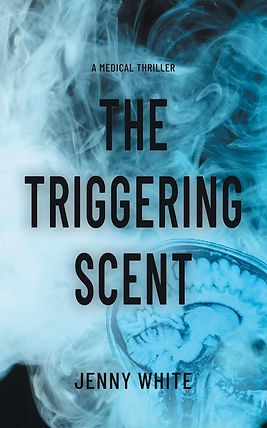
For readers seeking to understand the authentic emotional and ethical dimensions of ICU nursing, Jenny White's debut novel, The Triggering Scent, offers exactly that: a character-driven exploration of what it means to practice nursing under pressure, make impossible choices, and carry the weight of critical care. Her background as a retired registered nurse and brain tumor survivor brings credibility to the clinical details and emotional authenticity that distinguish her work from generic medical thrillers. If you're drawn to stories that explore resilience, ethical dilemmas, and the genuine complexity of healthcare, her Abbey Roberts RN series delivers the immersive, suspenseful narrative that keeps readers engaged while honoring the reality of critical care practice.
=== FAQ ANSWERS (audit these too, same rules) ===
[1] Q: What is the burnout rate for ICU nurses? A: ICU nurses experience burnout at significantly higher rates than nurses in other hospital settings. Studies consistently show that critical care environments produce burnout stemming from high patient acuity, rapid decision-making, end-of-life care responsibilities, and inadequate patient ratios. The combination of emotional exhaustion, depersonalization, and reduced personal accomplishment creates a perfect storm. Many ICU nurses report symptoms within their first five years, though rates vary by facility, staffing levels, and organizational support systems.
[2] Q: How do patient ratios impact ICU nursing stress? A: Patient ratios directly determine workload intensity and stress levels in critical care. Higher ratios mean less time for individual patient assessment, medication administration, and emotional support. When nurses manage more patients than recommended, split-second decision-making becomes rushed, increasing error risk and anxiety. Inadequate ratios also prevent nurses from spending meaningful time with dying patients or their families, compounding emotional toll. Facilities with better ratios consistently report lower burnout and higher job satisfaction among critical care staff.
[3] Q: What strategies actually help ICU nurses manage stress? A: Effective stress management combines personal coping tools and systemic workplace changes. Evidence-based approaches include mindfulness-based stress reduction programs, peer support groups like NurseGroups and Operation Happy Nurse, and professional counseling through resources like Wellness Together Canada or the Mental Health Check tool. Organizationally, manageable patient ratios, adequate break time, access to mental health resources, and psychological safety within teams reduce burnout. Many nurses also benefit from setting boundaries between work and personal life, engaging in physical activity, and connecting with colleagues who understand the unique demands of critical care.
[4] Q: Is ICU nursing less stressful than other hospital specialties? A: No. ICU nursing is consistently ranked as one of the most stressful nursing specialties. While medical-surgical nursing carries its own pressures, critical care differs fundamentally: patients are acutely unstable, decisions must happen in seconds, end-of-life care is frequent, and the emotional weight is constant. The combination of high clinical acuity, rapid pace, life-or-death stakes, and the need for split-second clinical thinking creates a uniquely demanding environment. Nurses transitioning from med-surg to ICU often report a significant jump in stress and emotional exhaustion during their first year.
[5] Q: Can reading authentic medical thrillers help me understand ICU realities before committing to the specialty? A: Yes. Medical thrillers written by authors with genuine critical care nursing experience, like those by retired RNs, can offer realistic portrayals of ICU dynamics, ethical dilemmas, and the emotional weight of patient care. These narratives show the complexity of clinical decision-making, the impact of end-of-life situations, and how nurses navigate high-pressure environments. While fiction dramatizes events, stories grounded in authentic healthcare experience can help prospective nurses understand what they're signing up for emotionally and mentally, beyond what clinical textbooks convey.
Frequently Asked Questions
Q: What is the burnout rate for ICU nurses?
A: ICU nurses experience burnout at significantly higher rates than nurses in other hospital settings. Studies consistently show that critical care environments produce burnout stemming from high patient acuity, rapid decision-making, end-of-life care responsibilities, and inadequate patient ratios. The combination of emotional exhaustion, depersonalization, and reduced personal accomplishment creates a perfect storm. Many ICU nurses report symptoms within their first five years, though rates vary by facility, staffing levels, and organizational support systems.
Q: How do patient ratios impact ICU nursing stress?
A: Patient ratios directly determine workload intensity and stress levels in critical care. Higher ratios mean less time for individual patient assessment, medication administration, and emotional support. When nurses manage more patients than recommended, split-second decision-making becomes rushed, increasing error risk and anxiety. Inadequate ratios also prevent nurses from spending meaningful time with dying patients or their families, compounding emotional toll. Facilities with better ratios consistently report lower burnout and higher job satisfaction among critical care staff.
Q: What strategies actually help ICU nurses manage stress?
A: Effective stress management combines personal coping tools and systemic workplace changes. Evidence-based approaches include mindfulness-based stress reduction programs, peer support groups like NurseGroups and Operation Happy Nurse, and professional counseling through resources like Wellness Together Canada or the Mental Health Check tool. Organizationally, manageable patient ratios, adequate break time, access to mental health resources, and psychological safety within teams reduce burnout. Many nurses also benefit from setting boundaries between work and personal life, engaging in physical activity, and connecting with colleagues who understand the unique demands of critical care.
Q: Is ICU nursing less stressful than other hospital specialties?
A: No. ICU nursing is consistently ranked as one of the most stressful nursing specialties. While medical-surgical nursing carries its own pressures, critical care differs fundamentally: patients are acutely unstable, decisions must happen in seconds, end-of-life care is frequent, and the emotional weight is constant. The combination of high clinical acuity, rapid pace, life-or-death stakes, and the need for split-second clinical thinking creates a uniquely demanding environment. Nurses transitioning from med-surg to ICU often report a significant jump in stress and emotional exhaustion during their first year.
Q: Can reading authentic medical thrillers help me understand ICU realities before committing to the specialty?
A: Yes. Medical thrillers written by authors with genuine critical care nursing experience, like those by retired RNs, can offer realistic portrayals of ICU dynamics, ethical dilemmas, and the emotional weight of patient care. These narratives show the complexity of clinical decision-making, the impact of end-of-life situations, and how nurses navigate high-pressure environments. While fiction dramatizes events, stories grounded in authentic healthcare experience can help prospective nurses understand what they're signing up for emotionally and mentally, beyond what clinical textbooks convey.
Buy now
This article was written using GrandRanker


Comments