



Hospital Suspense Novels: Best Medical Thrillers to Read
Updated: Sep 16
Table of Contents
What Makes a Hospital Suspense Novel Compelling
Best Medical Thrillers That Define the Genre
Psychological Thrillers Set in Hospitals
Medical Mysteries: Diagnostic Puzzles and Clinical Errors
Realism Versus Fiction: What Hospital Suspense Novels Get Right
Audiobook Recommendations for Hospital Suspense Novels
Why Canadian Authors Are Redefining Hospital Suspense Fiction
Frequently Asked Questions
Hospital Suspense Novels: Best Medical Thrillers to Read
Last Updated: August 3, 2026
Hospital suspense novels have captivated readers for decades by combining the high-stakes tension of life-or-death scenarios with intimate character drama. According to publishing data, medical thrillers consistently rank among the top-performing genres in fiction, with readers drawn to stories that blend authentic clinical detail with psychological complexity. At Jenny White, we understand what makes these narratives so compelling, the intersection of real medical trauma with the human stories that unfold within hospital walls. Whether you're seeking page-turning mysteries, psychological explorations of psychiatric settings, or character-driven narratives from authors with lived healthcare experience, this guide covers the best hospital suspense novels worth reading.
Below, we'll show you exactly what separates a truly gripping hospital suspense novel from generic medical drama, introduce you to the best books defining the genre, and highlight why Canadian authors are bringing fresh authenticity to this space.
What Makes a Hospital Suspense Novel Compelling
Life-or-death stakes and clinical authenticity are the twin pillars holding up every great hospital suspense novel. Readers trust these stories when the medical details feel real, when the author understands the difference between a code blue and septic shock, when hospital hierarchies are portrayed with accuracy, when the ethical dilemmas actually reflect how medicine is practiced. This authenticity is what separates a thriller that grips you from one that feels like Hollywood nonsense.

Character-driven narratives in high-pressure environments create the emotional core that keeps readers invested. The best hospital suspense novels don't just ask "what happens next?", they ask "who survives this, and at what cost?" A compelling protagonist facing impossible choices, colleagues with conflicting loyalties, patients whose stories matter beyond the plot mechanics, these elements transform a medical thriller from a procedural puzzle into something that stays with you after you close the book.
The tension in a hospital suspense novel builds differently than in other genres. You're not just waiting for a killer to be revealed or a heist to unfold. You're watching someone navigate a system designed to save lives while that same system becomes dangerous. You're seeing how exhaustion, hierarchy, and moral compromise can turn professionals into suspects. That layered tension, personal, professional, ethical, clinical, is what makes hospital suspense novels uniquely powerful.
Best Medical Thrillers That Define the Genre
Classic medical thrillers and psychological hospital suspense have shaped reader expectations for what this genre can achieve. Robin Cook's Coma remains the foundational text, a novel that established the template of a healthcare professional uncovering conspiracy within their own institution. Cook's protagonist discovers that patients are mysteriously falling into unexplained comas, leading her down a rabbit hole of organ harvesting and institutional corruption. The novel works because it treats the hospital not as a backdrop but as a character itself, a place where normal rules don't apply and power flows in unexpected directions.
Tess Gerritsen's Gravity brings similar authenticity from a different angle. Gerritsen, a former physician, writes with the precision of someone who has actually worked in emergency medicine. Her novels feature Dr. Maura Isles and detective Jane Rizzoli navigating cases that blur the line between medical mystery and crime investigation. What sets Gerritsen apart is her willingness to let the science be complicated, her characters don't solve murders with convenient plot devices, they work through evidence methodically, sometimes reaching dead ends.
Contemporary releases with fresh angles include The Deepest Fake by Daniel Kalla, a Vancouver emergency room doctor who brings modern concerns into the medical thriller space. Kalla's novel explores artificial intelligence as a potential threat within healthcare, a timely anxiety that reflects where medicine is actually heading. The authenticity of his medical background combined with prescient technological concerns makes this novel feel urgent in a way that older thrillers sometimes don't.
Pro Tip Medical thrillers written by actual healthcare professionals carry a credibility that shows on the page. Look for author bios mentioning nursing experience, physician backgrounds, or clinical training. That lived experience shapes how characters behave under pressure and how hospital systems are portrayed.
Psychological Thrillers Set in Hospitals
Unreliable narrators and fragmented memory create a different kind of suspense than traditional medical mysteries. The Silent Patient by Alex Michaelides uses a psychiatric hospital setting to explore obsession, trauma, and the unreliability of perception. A famous painter shoots her husband and then stops speaking entirely. A psychotherapist becomes obsessed with uncovering why. The twist, which lands with genuine force, reframes everything you thought you understood about the narrative.
What makes psychiatric settings particularly effective for suspense is that the institution itself becomes ambiguous. Is the hospital protecting patients or containing them? Are the staff members helping or harming? These questions create a paranoia that psychological thrillers exploit masterfully. When a character is hospitalized and cannot trust their own mind, the reader shares that disorientation.
The Hospital by Leslie Wolfe takes psychological suspense into even more claustrophobic territory. An actress wakes in a hospital blind and immobile, with fragmented memories of a violent attack. She cannot see who enters her room, cannot move to protect herself, cannot fully remember what happened. The novel becomes a study in vulnerability and paranoia, the protagonist's isolation mirrors the reader's inability to see the full picture. Wolfe builds suspense through restriction rather than action, which is a more sophisticated approach to the genre.
Medical Mysteries: Diagnostic Puzzles and Clinical Errors
Systemic failure versus individual malice is the central tension in many hospital suspense novels. A single surgeon's negligence looks different when it emerges from a system that overworks residents, skips safety protocols, and punishes whistleblowers. Doing Harm by Kelly Parsons, written by a physician, explores this distinction through a chief resident who discovers a killer operating within the hospital. But the real question isn't just "who is killing patients?", it's "how did the system allow this to happen?"
This framing matters because it reflects how medicine actually works. Hospitals are not safe because individual doctors are brilliant; they're safe because systems catch errors before they become fatal. When that system breaks down, catastrophe follows. Parsons' novel shows how ambition, secrecy, and institutional pressure can create conditions where a killer operates undetected.
Patient-perspective thrillers and survivor narratives offer a different entry point into hospital suspense. These novels center the experience of being a patient, powerless, dependent on professionals you may not fully trust, vulnerable to medical errors or institutional indifference. Human Remains by Melissa Yi, part of the Hope Sze series, features a doctor as protagonist investigating mysterious deaths at a stem cell research lab in Ottawa. Yi's Canadian setting grounds the story in a specific healthcare context, and her protagonist's medical background allows her to navigate both the clinical and investigative sides of the mystery.
Key Takeaway The best medical mysteries don't separate the "who" from the "why", they show how individual actions emerge from systemic pressures. A killer in a hospital isn't just a killer; they're a product of burnout, hierarchy, and institutional failure.
Realism Versus Fiction: What Hospital Suspense Novels Get Right
Authenticity from healthcare professionals who write fiction creates a credibility that readers can feel. When an author has actually worked a night shift in an ICU, that exhaustion shows up on the page. When they've navigated hospital politics, that hierarchy becomes real. The best hospital suspense novels don't just use medical details as window dressing, they understand how those details shape behavior and decision-making.
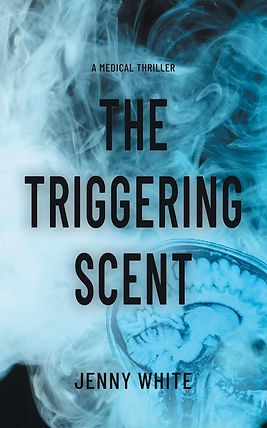
Jenny White's The Triggering Scent, launching the Abbey Roberts RN series, exemplifies this approach. As a retired registered nurse and brain tumor survivor, White brings dual expertise: she understands clinical reality and she understands what it feels like to be a patient facing mortality. Her protagonist, Abbey Roberts, is a working nurse navigating a hospital where something is deeply wrong. The novel's power comes from White's ability to show both sides, the clinical perspective of someone trained to manage crises and the human vulnerability of someone confronting trauma.
Where Hollywood tropes diverge from actual hospital dynamics is worth examining. Real hospitals don't have dramatic confrontations in the middle of the emergency department. Real doctors don't solve cases through sudden intuitive leaps. Real medical errors often result from small cascading failures rather than one person's incompetence. The best hospital suspense novels acknowledge these realities. They show the grinding nature of hospital work, the way exhaustion affects judgment, the bureaucratic obstacles to reporting problems.
This is where Canadian authors bring particular value. They're writing about healthcare systems that actually exist, provincial hospital networks, nursing shortages, wait times, funding pressures. These details ground stories in recognizable reality. A reader familiar with Canadian healthcare doesn't have to suspend disbelief about how the system works; they're already living in that system.
Audiobook Recommendations for Hospital Suspense Novels
Hospital suspense novels work exceptionally well in audio format because the pacing and tension translate directly to listening. A narrator's voice can convey a character's psychological state, the tremor of fear, the flatness of trauma, the careful professionalism masking desperation. When you're listening to a hospital suspense novel during a commute or while doing other tasks, the immersive quality of a skilled narrator pulls you deeper into the story.
Novel | Narrator | Best For | Runtime |
The Silent Patient | Bahni Turpin & Jay Snyder | Psychological suspense fans | 10 hours |
Doing Harm | Steven Pacey | Medical thriller enthusiasts | 13 hours |
The Deepest Fake | Andrew Eiden | Tech-savvy thriller readers | 12 hours |
Human Remains | Jill Tarter | Canadian mystery lovers | 11 hours |
(check Jenny White's website) | Authentic healthcare narratives | (varies) |
Audiobook narration quality matters significantly for psychological thrillers. A narrator who can handle multiple voices, shift tone to reflect unreliable perspective, and build tension through pacing elevates the experience. Listen to sample chapters before committing to a full audiobook, some narrators match the material better than others.
Why Canadian Authors Are Redefining Hospital Suspense Fiction
Local settings and healthcare system authenticity give Canadian hospital suspense novels a distinctive flavor. When Melissa Yi sets Human Remains in Ottawa, she's not just choosing a location, she's grounding the story in a specific healthcare context. Canadian readers recognize the system, the pressures, the way institutions operate. International readers get an insider's view of how medicine functions in a different country.

Lived experience in nursing and medical trauma brings credibility that research alone cannot replicate. Jenny White's background as a registered nurse means she understands the realities of hospital work, the physical exhaustion, the emotional weight of patient care, the ethical dilemmas that emerge in real time, not in theoretical discussions. She also understands what it means to be a patient facing a life-threatening diagnosis. That dual perspective creates narratives that honor both the professional competence of healthcare workers and the vulnerability of patients.
Daniel Kalla's work as an active emergency room physician gives him access to current medical challenges and emerging ethical questions. His novels address real concerns in modern medicine, the role of artificial intelligence, the pressures of healthcare systems, the way technology changes clinical practice. These aren't speculative concerns; they're issues Kalla encounters in his actual work.
This is what distinguishes Canadian authors in the hospital suspense space: they're not writing about hospitals as exotic settings or using medical details as flavor. They're writing about the healthcare systems they know intimately, the ethical dilemmas they've witnessed, the resilience they've seen in patients and colleagues. That authenticity resonates because it's grounded in lived reality.
Hospital suspense novels thrive when they combine authentic medical detail with genuine human stakes. Whether you're drawn to psychological complexity, diagnostic mysteries, or character-driven narratives set in high-pressure clinical environments, the best books in this genre deliver both intellectual engagement and emotional impact. Jenny White's The Triggering Scent brings a retired nurse's clinical expertise and a survivor's emotional depth to the Abbey Roberts RN series, offering readers the kind of immersive, character-driven medical thriller that explores resilience, ethical dilemmas, and the complexities of recovery. Discover her work and experience how authentic healthcare experience transforms hospital suspense fiction into something truly unforgettable.
Frequently Asked Questions
What's the difference between a medical thriller and a hospital suspense novel?
Medical thrillers often focus on broader healthcare systems, epidemics, or scientific conspiracies, while hospital suspense novels concentrate specifically on life-or-death dramas within clinical settings. Hospital suspense novels typically emphasize character-driven narratives, ethical dilemmas, and the human dynamics of intensive care units and hospital wards. Both share life-or-death stakes and medical authenticity, but hospital suspense novels narrow their scope to the confined, high-pressure world of hospital environments.
Are there Canadian authors who write psychological thrillers set in hospitals?
Yes. Canadian authors like Daniel Kalla (an emergency room doctor) and Melissa Yi bring authentic clinical expertise to their work. Kalla's The Deepest Fake explores AI in medicine with Vancouver hospital settings, while Yi's Hope Sze series features medical mysteries grounded in Canadian healthcare. These authors combine real medical knowledge with suspenseful narratives that reflect how Canadian hospitals actually operate, offering readers both authenticity and psychological depth.
I love Robin Cook and Tess Gerritsen, what makes hospital suspense novels by debut Canadian authors different?
Canadian authors writing hospital suspense bring lived experience as practicing nurses, emergency physicians, and trauma survivors. Rather than relying solely on research, they write from direct clinical experience. This creates nuanced portrayals of nursing staff dynamics, hospital administration realities, and ethical dilemmas that feel earned rather than invented. The focus on character resilience and personal recovery, particularly when authors are survivors themselves, adds emotional depth that distinguishes their work from purely plot-driven medical thrillers.
How do I know the medical details in hospital suspense novels are actually accurate?
Look for author credentials: retired nurses, practicing physicians, and healthcare professionals bring clinical authenticity to their narratives. Books written by healthcare workers ground medical procedures, ICU protocols, and ethical dilemmas in real experience rather than speculation. Read reviews from healthcare professionals, they often note whether hospital dynamics feel authentic or Hollywood-filtered. Canadian authors particularly tend to reference real Canadian healthcare systems (provincial regulations, hospital structures, nursing roles) that readers can verify.
Get Started Today
This article was written using GrandRanker


Comments