



Fiction Books About Nurse Experiences: 10 Gripping Reads
Updated: Sep 16
Table of Contents
Why Fiction Books About Nurse Experiences Matter
Medical Thrillers: Suspense Rooted in Clinical Reality
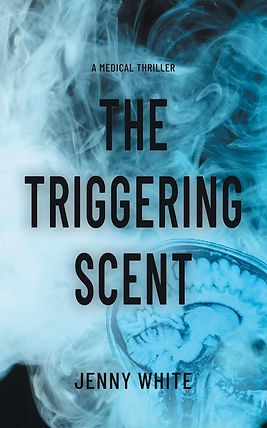
The Triggering Scent by Jenny White
Hospital by Arthur Hailey
Historical Fiction Books About Nurses
The Warm Hands of Ghosts: WWI Battlefield Nursing
The Pull of the Stars: Pandemic Nursing During the 1918 Flu
The Birth House: Early Nursing and Midwifery in Nova Scotia
Books Written by Nurses About Nursing
Authentic Perspectives from Healthcare Insiders
Canadian Nursing Stories and Remote Healthcare
The Heaviness of Things That Float: Community Nursing in First Nations
Hospital Corridors: Nursing Life in 1950s Montreal
Nursing Stories Beyond the Hospital Ward
The Zoo Collection: Mental Health and Healing Through Imagination
What to Look for in Authentic Nursing Fiction
Clinical Accuracy vs. Dramatization
Emotional Depth and Resilience Themes
Audiobook vs. Print Experience
Conclusion
Last Updated: August 7, 2026
Why Fiction Books About Nurse Experiences Matter
Nurses navigate one of the most demanding professions in healthcare, managing life-or-death decisions, emotional exhaustion, and ethical dilemmas that rarely surface in popular conversation. Fiction books about nurse experiences offer something clinical textbooks cannot: an intimate window into the psychological and emotional realities of nursing practice.
These narratives validate the invisible labor of healthcare workers. When readers see their own struggles reflected in a character's journey, isolation transforms into recognition. For nurses, authentic fiction provides rare validation that burnout, impossible choices, and small victories are worthy of serious storytelling. For general readers, these books humanize a profession often reduced to stereotypes.
The best fiction books about nurse experiences blend clinical accuracy with emotional depth. A retired registered nurse like Jenny White, author of The Triggering Scent brings authenticity that casual research cannot replicate. Readers sense when a medical thriller was written by someone who has actually stood in an ICU at 3 a.m. versus someone who researched hospital procedures online.
Event organizers and nursing association leaders recognize that authentic narratives, especially from authors with lived experience in healthcare and trauma recovery, resonate more powerfully than motivational speeches. Survivors seeking resilience narratives and healthcare professionals skeptical of media portrayals find credibility in fiction books about nurse experiences written by insiders.
Contemporary nursing fiction increasingly demands clinical precision paired with psychological realism, reflecting a maturing audience that wants to understand not just what happens in a hospital, but why it matters and what it costs.
Medical Thrillers: Suspense Rooted in Clinical Reality
Medical thrillers combine page-turning momentum with the intellectual engagement of understanding how healthcare systems work. The best ones use clinical settings as integral to the plot itself, where a missed diagnosis or medication error becomes the engine of the story.
What separates authentic medical thrillers from generic hospital dramas is specificity. Fiction books about nurse experiences written by healthcare professionals understand the constraints, protocols, and moments where human judgment overrides procedure.
The Triggering Scent by Jenny White
Jenny White's debut novel, The Triggering Scent, launches the Abbey Roberts RN series with a protagonist who embodies the contradictions of modern nursing. Abbey is competent, ethically grounded, and deeply human. The novel's suspense unfolds through clinical detail: medication interactions, patient deterioration, and the weight of responsibility that comes with noticing what others miss.
White, a retired registered nurse and brain tumor survivor, writes ICU scenes with the precision of someone who has actually been there. The emotional journey, Abbey's own recovery from trauma, intersects with her professional crises in ways that feel inevitable. Healthcare professionals consistently note that the clinical details feel genuine because they are.
The Abbey Roberts RN series appeals directly to nurses seeking relatable fiction while working for general readers who want medical thrillers with substance. The ethical dilemmas Abbey faces reflect real tensions in healthcare: balancing patient advocacy with institutional constraints, managing your own trauma while caring for others, and making split-second decisions with incomplete information.

Hospital by Arthur Hailey
Arthur Hailey's Hospital, published in 1959, remains a landmark in medical fiction. Hailey researched actual hospital operations, then wove multiple interconnected plotlines showing how decisions at every level affect patient outcomes. Nurses appear throughout as central to these operations, not as supporting characters.
What's striking is Hailey's procedural depth. He showed how hospitals function as systems while respecting the intelligence of both characters and readers. For contemporary readers, Hospital reads as both a historical document of mid-20th-century healthcare and a compelling narrative.
Historical Fiction Books About Nurses
Historical fiction about nurses documents how nursing has evolved and what it cost nurses to practice in different eras. The best combines meticulous period research with emotional authenticity.
The Warm Hands of Ghosts: WWI Battlefield Nursing
Set during World War I, The Warm Hands of Ghosts follows a Canadian battlefield nurse searching for her missing brother while confronting the horrors of war. The novel portrays nursing during wartime: exhaustion, the moral weight of triage decisions, and the psychological toll of witnessing mass casualties.
Canadian nursing sisters played a crucial role in WWI, yet their stories remain underrepresented in popular fiction. This novel centers their experience, showing how nurses managed impossible caseloads with limited resources and faced their own trauma alongside their patients'.
The Pull of the Stars: Pandemic Nursing During the 1918 Flu
Set in a Dublin maternity ward during the 1918 influenza pandemic, The Pull of the Stars examines how nurses managed care during a public health crisis. The claustrophobic setting creates mounting tension as characters navigate impossible medical and ethical choices.
The three central women, a nurse, a doctor, and a volunteer, represent different perspectives on care, authority, and compassion. Their interactions reveal how healthcare workers negotiate roles, resources, and responsibility when normal protocols collapse. The pandemic setting resonates with contemporary readers while exploring what it costs to care for others when stakes are highest.
The Birth House: Early Nursing and Midwifery in Nova Scotia
Set in early 1900s Nova Scotia, The Birth House centers on midwives and community nurses assisting with childbirth and women's health. The novel explores the clash between traditional birthing practices and emerging medical authority, showing how nurses navigated shifting professional boundaries.
This historical fiction illuminates the transition from community-based, female-centered care to institutionalized, male-dominated medicine. For readers interested in how nursing professionalized and what was gained and lost, The Birth House offers both narrative engagement and historical insight.
Books Written by Nurses About Nursing
The distinction between fiction about nurses and fiction written by nurses matters. Authors with direct healthcare experience bring credibility that extensive research alone cannot replicate. They understand the rhythm of a shift, the exhaustion of certain specialties, and the small ethical compromises that accumulate over a career.
When a nurse writes fiction, clinical details integrate so naturally that readers experience authenticity as emotional truth. A nurse-author knows how to write a character making a clinical decision because they've made those decisions themselves.
Paul Smith, a former registered nurse turned author, demonstrates this in The Zoo Collection. Though not traditional hospital fiction, Smith's work explores human emotion through imaginative narratives shaped by his nursing background and personal experience of trauma. The books invite readers into healing and imagination, perspectives that emerge from understanding patient psychology and resilience from the inside.
Jenny White's approach similarly draws on her nursing background to create fiction that feels clinically sound. Her protagonist Abbey Roberts navigates ICU crises with the knowledge of someone who has actually worked in that environment. When healthcare professionals read fiction books about nurse experiences written by actual nurses, they often note a sense of recognition of both medical procedures and the emotional and ethical landscape of clinical practice.
Canadian Nursing Stories and Remote Healthcare
Canadian fiction offers particular value in exploring healthcare realities specific to this country. Remote nursing, Indigenous health partnerships, and the particular pressures of Canadian healthcare systems appear in fiction reflecting actual Canadian contexts.
The Heaviness of Things That Float: Community Nursing in First Nations
Set in a remote First Nations reserve on British Columbia's west coast, The Heaviness of Things That Float follows Bernadette, a nurse who has served the community for 40 years as she prepares for retirement. A young man goes missing, becoming a vehicle for exploring community bonds, the challenges of remote healthcare, and the nurse's role as both medical professional and community anchor.
Remote nursing requires different skill sets than hospital-based practice: improvisation, broader clinical knowledge, and deep community relationships. Bernadette's character embodies these demands while navigating the emotional complexity of leaving a place where she's been essential. The novel engages with Truth and Reconciliation themes, showing how healthcare workers navigate relationships with Indigenous communities with mutual respect rather than saviorism.
Hospital Corridors: Nursing Life in 1950s Montreal
Hospital Corridors follows an English nurse adjusting to work and life in 1950s Montreal. While primarily a romance, the novel captures authentic details of mid-20th-century nursing: hierarchies, camaraderie, and the social dimensions of hospital work. Young nurses navigated romance, cultural adjustment, and personal ambition alongside clinical responsibilities, a humanizing perspective that remains valuable in contemporary fiction.
Nursing Stories Beyond the Hospital Ward
Not all fiction about nursing takes place in traditional hospital settings. Some of the most innovative nursing fiction explores how care extends into community, mental health, and imaginative spaces.
The Zoo Collection: Mental Health and Healing Through Imagination
Paul Smith's The Zoo Collection uses imaginative narratives to explore human emotion and healing. Smith's background as a registered nurse shapes the psychological insight embedded in these stories, understanding how trauma affects perception, how imagination serves recovery, and how connection enables healing.
These books appeal to readers seeking stories addressing mental health and resilience without clinical language. They work for survivors of trauma or illness wanting narrative engagement without explicit medical content.
What to Look for in Authentic Nursing Fiction
Distinguishing between genuine clinical insight and dramatized shortcuts helps readers find fiction books about nurse experiences that deliver both entertainment and credibility.
Clinical Accuracy vs. Dramatization
Authentic nursing fiction balances clinical accuracy with narrative momentum. Real medical details should serve the story without interrupting it. Watch for specific medication names, accurate procedure descriptions, realistic timelines for patient deterioration, and plausible institutional constraints. Authors with healthcare backgrounds include these details naturally because they understand them intuitively.
The best fiction books about nurse experiences acknowledge the constraints of real healthcare. Nurses can't simply ignore institutional policies, can't always save every patient, and can't make decisions based solely on individual compassion. Authentic fiction respects these realities while creating compelling narratives.
Emotional Depth and Resilience Themes
Authentic nursing fiction explores the psychological cost of healthcare work. Burnout, compassion fatigue, and moral injury appear as genuine consequences, not plot devices. Stories featuring nurses as brain tumor survivors or trauma survivors often resonate most deeply, showing how personal experience shapes professional perspective.
Audiobook vs. Print Experience
Audiobooks offer particular advantages for character-driven narratives, where a skilled narrator conveys emotional nuance. Medical thrillers with complex plots sometimes benefit from print, where readers can reference earlier details. Consider your reading context: audiobooks work well for commutes; print allows you to control pacing.
Consideration | Audiobook | |
Pacing control | Full reader control | Narrator's pace |
Medical detail complexity | Can reread passages | May require replay |
Emotional immersion | Visual imagination | Narrator's interpretation |
Convenience | Requires dedicated time | Works during activities |
Character voice | Your interpretation | Narrator's voice |
Fiction books about nurse experiences offer readers something beyond entertainment. They validate the invisible labor of healthcare workers, explore ethical complexities that clinical literature cannot address, and show how individual nurses navigate constraining systems. Whether you're a healthcare professional seeking recognition, a survivor finding resilience narratives, or a reader hungry for authentic medical drama, these books deliver both suspense and substance.
The standout recommendation is Jenny White's The Triggering Scent and the Abbey Roberts RN series. Written by a retired registered nurse and brain tumor survivor, White's work combines authentic clinical detail with emotional intensity. Her characters face real ethical dilemmas, her medical details withstand scrutiny, and her exploration of resilience respects the complexity of recovery. For readers seeking fiction books about nurse experiences genuinely grounded in healthcare reality, White's series offers the rare combination of page-turning suspense and professional credibility. Explore Jenny White's medical thrillers and the Abbey Roberts RN series to discover how authentic nursing fiction can transform your understanding of both healthcare and human resilience.
Frequently Asked Questions
What makes fiction books about nurse experiences different from other medical dramas?
Fiction books about nurse experiences center the nursing profession itself, exploring bedside manner, patient advocacy, and the emotional toll of healthcare work. Unlike generic medical dramas that focus on doctors or hospital administration, these narratives capture the clinical realities, ethical dilemmas, and resilience that define nursing practice. Many are written by nurses or healthcare professionals, ensuring authentic portrayals of shift work, burnout, and the compassion required for acute care.
How accurate are the medical details in these nursing fiction books?
Accuracy varies by author. Books written by nurses, such as The Triggering Scent by Jenny White, a retired registered nurse, incorporate vetted clinical details and realistic hospital dynamics. Historical fiction like The Pull of the Stars and The Warm Hands of Ghosts are carefully researched to reflect the nursing profession and healthcare systems of their time periods. Always check author credentials and reader reviews to gauge how well a book balances suspense with clinical authenticity.
Are there fiction books about nurse experiences that handle trauma respectfully?
Yes. Many nursing fiction books address trauma, burnout, and mental health with nuance rather than sensationalism. Stories like The Heaviness of Things That Float explore the emotional weight of healthcare work within a supportive community context, while The Triggering Scent weaves resilience and personal recovery into its narrative. Look for books that portray compassion fatigue and professional challenges as part of the human experience, not as shock value.
What should I read if I want historical fiction books about nurses?
Start with The Warm Hands of Ghosts for a WWI narrative featuring Canadian nursing sisters, or The Pull of the Stars for a gripping 1918 pandemic story set in a Dublin maternity ward. For earlier history, The Birth House explores midwifery and women's healthcare in early 1900s Nova Scotia. Each offers a distinct period and nursing context, from battlefield care to pandemic response to community healing practices.
Buy now
This article was written using GrandRanker


Comments