



Medical Suspense Novels With Female Leads
Updated: Sep 16
Table of Contents
Why Medical Suspense Novels With Female Leads Stand Out
Medical Thriller Book Recommendations: Nurse Protagonists and Beyond
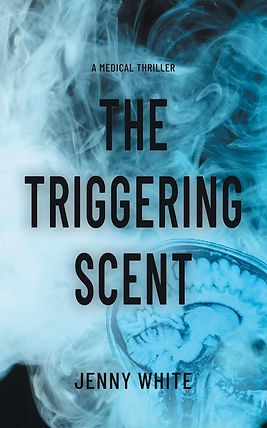
The Triggering Scent by Jenny White
Fatal Intent by Tammy Euliano
Human Remains by Melissa Yi
Brain Damage by Freida McFadden
The Surgeon by Tess Gerritsen
Unnatural Death by Patricia Cornwell
Forensic Pathology and Medical Examiner Thrillers
Psychological Suspense in Hospital and Clinical Settings
Books for Book Clubs: Medical Suspense That Sparks Conversation
What Makes These Medical Suspense Novels Authentic
Conclusion
Last Updated: August 20, 2026
Why Medical Suspense Novels With Female Leads Stand Out
Medical suspense novels with female leads have carved out a distinct space in thriller literature, one where authentic clinical knowledge meets psychological depth and personal stakes. What makes these stories different isn't just that they center women; it's that they place female protagonists in high-stakes medical environments where their expertise, intuition, and moral choices drive the plot forward.
These novels work because they tap into something real. Many are written by authors with direct healthcare experience, nurses, physicians, psychiatrists, who understand the ethical dilemmas, hierarchies, and human cost of medical work. That authenticity shows in the details: the weight of a patient's deterioration, the impossible choice between protocol and conscience, the vulnerability of being inside a system you can't fully control.
The female lead in medical suspense isn't a bystander waiting for rescue. She's the investigator, the decision-maker, the one with knowledge that matters. Whether she's a nurse uncovering medical negligence, a pathologist examining gruesome crime scenes, or a therapist navigating dangerous secrets, her professional competence is inseparable from the tension. Readers connect with this because it reflects how women actually move through high-pressure professional environments, with skill, skepticism, and the burden of being right when the stakes are life and death.
Pro Tip Medical suspense novels with female leads often explore ethical dilemmas that feel grounded in real hospital politics. Look for books where the protagonist's professional standing is threatened by her investigation, that's where the tension becomes personal and impossible to put down.
Medical Thriller Book Recommendations: Nurse Protagonists and Beyond
The strongest medical suspense novels with female leads come from writers who've lived the world they're depicting. These aren't armchair thrillers, they're grounded in the specific pressures, knowledge, and moral weight of healthcare work.
The Triggering Scent by Jenny White launches the Abbey Roberts RN series with a protagonist who embodies the complexity these novels do best. Abbey is a registered nurse who returns to work after botched brain surgery, only to discover the surgeon responsible is still operating at her hospital. The premise alone carries tension, but what drives the narrative is Abbey's internal conflict: she has knowledge, professional credibility, and motive, yet she's constrained by the very system that failed her. White's background as a retired registered nurse and brain tumor survivor means the medical details, the ICU protocols, the neurological specifics, the ethical violations, ring true. The book doesn't shy away from Abbey's psychological recovery or the question of whether her judgment is compromised by trauma. That vulnerability makes her compelling. This is a debut novel that delivers what readers want from medical suspense with female leads: authenticity, psychological depth, and a protagonist you believe could actually navigate this world.

Fatal Intent by Tammy Euliano centers Dr. Kate Downey, an anesthesiologist investigating suspicious patient deaths after minor surgeries. Euliano understands the operating room intimately, and that knowledge permeates the plot. Kate isn't a detective, she's a specialist trying to solve a puzzle that threatens her career and her conscience. The investigation unfolds through her professional lens, meaning readers get genuine insight into how anesthesia works, what can go wrong, and how difficult it is to prove negligence when the evidence is subtle. Kate's investigation isn't glamorous; it's methodical, frustrating, and complicated by her need to maintain her professional standing while asking dangerous questions.
Human Remains by Melissa Yi features Dr. Hope Sze, a physician-investigator working at a stem cell research lab in Ottawa. Yi weaves medical mystery with institutional intrigue, and the Canadian setting grounds the story in a specific healthcare context. Hope's dual role, scientist and investigator, means she's navigating both the intellectual puzzle of the deaths and the politics of a research institution. The book explores scientific ethics alongside criminal investigation, giving it a dimension beyond typical medical thrillers.
Brain Damage by Freida McFadden takes a different approach: Dr. Charly McKenna, a dermatologist, survives a brain injury and must piece together her fragmented memories to uncover who tried to kill her. McFadden's premise is psychologically sophisticated, the protagonist is unreliable not because she's untrustworthy, but because her brain is literally broken. Readers experience Charly's disorientation and confusion alongside her determination to find truth. It's medical suspense that doubles as psychological thriller, with a female lead whose vulnerability is also her strength.
The Surgeon by Tess Gerritsen features Dr. Maura Isles, a medical examiner whose cool analytical mind and forensic expertise make her invaluable to investigations. Gerritsen masterfully weaves medical jargon into the narrative without overwhelming readers. Maura's authority comes from her knowledge of death, how bodies break, what violence looks like, what the evidence tells you. She's not chasing criminals; she's reading what the dead can teach her. That intellectual approach to suspense feels fresh.
Key Takeaway The best medical suspense novels with female leads use professional expertise as the engine of the plot. The protagonist's knowledge isn't background flavor, it's what allows her to see what others miss and what puts her in danger.
Forensic Pathology and Medical Examiner Thrillers
Forensic pathology creates a particular kind of suspense because the protagonist is working with evidence that can't lie, even when the system around her can. Medical examiners and pathologists in thrillers occupy a unique position: they have authority grounded in expertise, but they're often isolated from the investigation's emotional core. That tension, between clinical detachment and moral urgency, generates compelling narratives.
Unnatural Death by Patricia Cornwell exemplifies this. Dr. Kay Scarpetta, chief medical examiner, investigates two mauled bodies in a wilderness area. Cornwell's strength is making autopsy procedures gripping without sensationalizing them. Scarpetta's work is meticulous, scientific, and deeply personal. She reads the body's story with the intensity of a detective reading a crime scene, but her evidence is anatomical. The novel explores what it means to be the person who knows the truth about death, and how isolating that knowledge can be. Cornwell has built a long-running series around Scarpetta because the character works: she's brilliant, flawed, and driven by a genuine commitment to giving voice to the dead.
Forensic pathology thrillers appeal to readers who want the intellectual puzzle without sacrificing emotional stakes. The female pathologist or medical examiner isn't solving crimes through intuition or luck; she's reading evidence. That grounds the suspense in something concrete and verifiable. Readers trust her because her conclusions are based on science, not assumption. LGBTQ+ suspense thrillers.
Psychological Suspense in Hospital and Clinical Settings
Hospital and clinical settings create natural pressure cookers for suspense. These are hierarchical environments with high stakes, limited information flow, and ethical dilemmas that don't have clean solutions. Psychological suspense set in these contexts explores what happens when professional responsibility conflicts with personal survival.
The Patient's Secret by Loreth Anne White takes place largely in a therapist's office, where the relationship between therapist and patient becomes the site of danger. The protagonist is a therapist whose client holds deadly secrets. White explores the ethical bind: the therapist has a duty of confidentiality, but she's also at risk. The clinical setting isn't just backdrop; it's the constraint that makes the threat real. The therapist can't simply call the police; she can't reveal what her client has told her. That professional obligation becomes the mechanism of suspense.
Psychological suspense in clinical settings works because it acknowledges that the system itself, the protocols, the hierarchies, the confidentiality requirements, can become a trap. The female protagonist often finds herself constrained by the very professional ethics that define her. That creates a dilemma without an easy exit, which is where real tension lives.
Watch Out Medical suspense novels that explore trauma and recovery can be triggering for survivors of brain injury, cancer, or medical abuse. Look for reader reviews that mention content warnings, and check the book's opening chapters before committing if you're sensitive to detailed medical procedures or discussions of mortality.
Books for Book Clubs: Medical Suspense That Sparks Conversation
Medical suspense novels with female leads generate rich discussion because they raise questions that don't have single answers. What makes a good book club pick is material that invites debate, about ethics, about character choices, about what readers would do in an impossible situation.
The Triggering Scent works well for book clubs because Abbey's quest for justice raises genuine ethical questions. Is she pursuing the surgeon out of legitimate concern for patient safety, or is she driven by personal vengeance? The book doesn't let readers off easy; Abbey herself isn't sure. That ambiguity sparks conversation. Readers disagree about whether Abbey's actions are justified, whether her judgment is reliable, whether the hospital's response makes sense. Those disagreements are the point, they force readers to articulate their own values about accountability, trauma, and professional responsibility.

Fatal Intent generates discussion around the investigative process itself. Readers debate whether Kate should have gone to authorities earlier, whether her methods were ethical, what she should have done differently. The book raises questions about institutional accountability and individual responsibility that don't resolve neatly.
Human Remains and Brain Damage both work because they explore how trauma affects judgment and memory. Book clubs can discuss whether the protagonist's perspective is reliable, what readers know that the protagonist doesn't, and how that gap creates suspense. These conversations often extend into personal territory, readers share their own experiences with medical systems, trauma recovery, and the challenge of trusting your own mind.
Medical suspense novels with female leads are conversation-starters because they're grounded in real ethical dilemmas. The protagonist isn't fighting a cartoon villain; she's navigating a system that has legitimate constraints, even when those constraints feel unjust. That complexity makes for richer discussion than plot-driven thrillers.
What Makes These Medical Suspense Novels Authentic
Authenticity in medical suspense comes from two sources: technical accuracy and emotional truth. A novel can have perfect medical details and still feel hollow if the protagonist's emotional experience doesn't ring true. Conversely, a book can take liberties with clinical procedure if the psychological and moral stakes feel real.
The strongest medical suspense novels with female leads nail both. Authors like Jenny White, Tammy Euliano, and Tess Gerritsen write from lived experience in healthcare. They know what an ICU actually feels like, what happens when a patient codes, what the weight of responsibility feels like when you're the person with knowledge that matters. That knowledge shows in the small details: the way exhaustion accumulates, the specific language healthcare workers use, the hierarchies that constrain who can speak and be heard.
Authenticity also means portraying the system honestly. Real hospitals have genuine constraints. Protocols exist for reasons. Hierarchy matters. A doctor can't simply override a superior's decision. A nurse can't unilaterally order tests. That reality creates tension because the protagonist's knowledge and her ability to act are often misaligned. She sees a problem but can't fix it alone. That's where psychological suspense lives, in the gap between knowing and being able to do something about what you know.
Readers who work in healthcare often cite this authenticity as what draws them to medical suspense with female leads. They recognize the world being depicted. They see their own experience reflected. That recognition builds trust and makes the suspense feel credible rather than manufactured.
Medical suspense novels with female leads offer what readers crave: intelligent protagonists navigating high-stakes situations where their expertise matters and their choices have real consequences. Whether you're drawn to forensic investigation, hospital intrigue, or psychological complexity, these books deliver suspense grounded in authentic detail and genuine moral dilemmas. Start with The Triggering Scent if you want a debut that understands both the clinical world and the personal cost of seeking justice. Jenny White's background as a retired registered nurse and brain tumor survivor means the medical details are precise and the emotional stakes feel earned. The Abbey Roberts RN series launches a protagonist worth following.
Frequently Asked Questions
What makes medical suspense novels with female leads different from other thrillers?
Medical suspense novels with female leads bring authenticity and emotional depth that sets them apart. The protagonists, nurses, doctors, medical examiners, navigate high-stakes hospital environments while confronting ethical dilemmas and personal trauma. Their expertise creates nail-biting plot twists rooted in real clinical knowledge. Unlike generic crime fiction, these stories explore patient confidentiality, surgical ethics, and the psychological toll of healthcare work, giving readers both suspenseful page-turning action and character-driven narratives that resonate long after the final chapter.
Are medical thriller book recommendations typically accurate about hospital procedures and medical details?
The best medical thriller book recommendations come from authors with genuine healthcare backgrounds. Jenny White, a retired registered nurse, brings authentic ICU dynamics and nursing ethics to her Abbey Roberts RN series. Similarly, authors like Tess Gerritsen and Patricia Cornwell ensure forensic and medical procedures are meticulously researched. This accuracy is what separates gripping medical suspense from Hollywood nonsense. When an author has lived experience in healthcare, the clinical details become credible anchors that make plot twists even more compelling.
Can I recommend medical suspense novels for book clubs if some members are healthcare workers?
Yes, in fact, books for book clubs that include healthcare professionals often spark the most meaningful discussions. Nurses, doctors, and medical staff appreciate authentic portrayals of clinical ethics, workplace dynamics, and the personal cost of medical decisions. Titles like The Triggering Scent and Fatal Intent generate debate about patient confidentiality, surgical accountability, and professional boundaries. Choose books with strong character development and ethical complexity rather than pure procedural detail, and consider including content warnings if the book addresses trauma or medical malpractice.
What should I know about content warnings in medical suspense novels with female protagonists?
Medical suspense novels often explore trauma, recovery, and dark secrets. The Triggering Scent, for example, deals with brain injury, surgical trauma, and a protagonist's quest for justice, themes that resonate with survivors but may require emotional preparation. Brain Damage explores memory loss and psychological injury following violence. Before recommending these to book clubs or suggesting them to survivors, check publisher synopses and reader reviews for specific trigger content. Many quality medical thrillers handle resilience respectfully rather than exploiting trauma, but individual sensitivity varies.
Buy now
This article was written using GrandRanker


Comments