



How to Choose the Right Thriller for Your Book Club
Table of Contents
Understanding the Three C's of Thrillers
Best Thriller Books for Book Clubs
Evaluating Plot, Pacing, and Character Development
Thriller Book Club Discussion Questions That Drive Engagement
Matching Genre Type to Your Group Size and Preferences
How to Facilitate a Book Club Meeting Around High-Tension Narratives
Avoiding the Dud Factor and Content Warning Pitfalls
Conclusion
Frequently Asked Questions
Last Updated: September 22, 2026
Understanding the Three C's of Thrillers
When you're learning how to choose the right thriller for your book club, three core elements determine whether the group will stay engaged or abandon the book halfway through. These are character, conflict, and complexity.
Character means your readers care about what happens to the people in the story. A thriller with flat characters falls flat, no matter how twisty the plot. Conflict is the central tension driving the narrative forward, the stakes that make readers turn pages late into the night. Complexity refers to how the author layers plot, pacing, and emotional depth together. A page-turner that's all surface excitement won't spark meaningful discussion.
The best thrillers for book clubs balance all three. They give you characters worth debating, conflicts that raise genuine ethical questions, and enough narrative depth to sustain a two-hour discussion. Medical thrillers, for example, often excel here because they combine personal stakes (a character's survival) with institutional conflict (hospital politics, ethical dilemmas) and technical complexity (realistic medical details that ground the story).
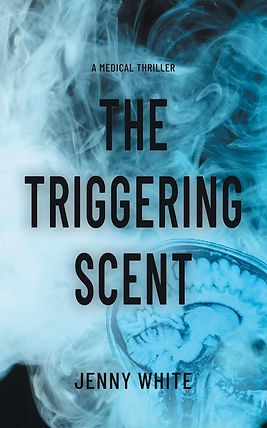
Jenny White's approach to the thriller genre demonstrates this balance. Her debut novel, The Triggering Scent, centers on Abbey Roberts, a registered nurse protagonist whose background grounds the story in authentic medical reality. The character development anchors the psychological tension, the hospital setting creates natural conflict between personal morality and institutional pressure, and the medical details add layers that reward close reading and discussion.
Pro Tip Before recommending a thriller to your book club, ask yourself: Do I care what happens to the main character? Does the central conflict feel real and urgent? Are there enough layers to sustain conversation beyond "that twist was wild"?
Best Thriller Books for Book Clubs
The strongest thrillers for group discussion combine page-turning momentum with substance. Look for books where the twist isn't the entire point, where character and ethical dilemmas matter as much as the plot surprise.
Medical thrillers work particularly well in book clubs because they offer built-in discussion hooks. Readers can debate the ethical choices characters make, discuss the accuracy of medical details, and explore how institutional pressure shapes individual decisions. A book like The Triggering Scent gives you all three angles for discussion.
Psychological thrillers that rely on an unreliable narrator also spark strong group conversations. Readers will have genuinely different interpretations of what actually happened, which creates natural debate. However, these work best with groups that enjoy parsing ambiguity rather than groups seeking clear resolutions.
True crime-inspired thrillers appeal to readers who want factual grounding mixed with narrative suspense. These often raise questions about justice, guilt, and the limits of investigation, topics that translate well to group discussion.
Genre-bending thrillers (suspense mixed with literary fiction, or mystery elements woven through character study) tend to satisfy both readers seeking pure entertainment and those wanting deeper analysis. They give different members of your group something to latch onto.
Key Takeaway The best thriller for your book club isn't the bestseller everyone's already read, it's the book that will spark genuine disagreement and keep people talking after the meeting ends.
Evaluating Plot, Pacing, and Character Development
A thriller's plot should move forward with purpose, not just for speed. Fast pacing without direction leaves readers exhausted rather than satisfied. The strongest thrillers balance momentum with moments where character development deepens the stakes.
Tina Books | TBR, etc.
When evaluating a potential book club selection, check the pacing rhythm. Does the author use short chapters to build tension, or longer chapters that allow for introspection? Short chapters (under 15 pages) create a page-turning effect. Longer chapters give more space for character interiority and subplot development. Neither is better, but they create different reading experiences.
Character development matters more in book club selections than in solo reading. A character who grows, changes, or reveals hidden depths gives your group something to analyze. Static characters who simply react to plot events make for thinner discussions. Look for protagonists with internal conflicts that mirror the external plot tension.
Red herrings and subplot complexity also affect how well a book works for groups. Too many false leads frustrate readers. The right amount of misdirection keeps things interesting without feeling manipulative. A good test: when you finish the book, do the red herrings feel earned, or do they feel like the author was just wasting your time?
Medical thrillers often excel at this balance because the procedural elements (hospital protocols, diagnostic processes) naturally create pacing variations. Tense moments alternate with moments where characters process what's happening, creating rhythm that sustains both page-turning and reflection.
Thriller Book Club Discussion Questions That Drive Engagement
Strong discussion questions move beyond plot summary. They push your group to analyze character choices, ethical dilemmas, and narrative structure.
Start with character motivation questions:
What did the protagonist want at the beginning, and did that change by the end?
Which character's perspective shifted your understanding of the story?
Did any character make a choice you disagreed with? Why?
Move into ethical territory:
What would you have done in the protagonist's situation?
Did the author present a morally complex scenario, or was the "right" choice obvious?
How did institutional pressure (hospital hierarchy, professional reputation) influence character decisions?
Explore narrative technique:
How did the author use pacing to build tension?
Were you surprised by the ending, or did you see it coming?
Did the twist feel earned, or manipulative?
How reliable was the narrator, and when did you start questioning their account?
For medical thrillers specifically, add technical questions:
How accurate did the medical details feel?
Did the clinical realism enhance or distract from the story?
What ethical healthcare questions did the book raise?
Watch Out Avoid yes/no questions that shut down discussion. "Did you like this book?" ends conversation. "What did you like about this book, and what fell short?" keeps it going.
Matching Genre Type to Your Group Size and Preferences
Different thriller subgenres work better for different group dynamics.
Psychological thrillers suit smaller, analytical groups (4-8 people) that enjoy parsing ambiguous endings and debating interpretation. These books reward close reading and create natural disagreement, which works well when everyone knows each other and can handle friendly debate. Larger groups sometimes struggle because the discussion becomes dominated by a few strong voices.
Mystery-driven thrillers work well for larger groups (8-15 people) because they have clearer plot structures. Everyone can follow the investigation, and there's a definitive answer to debate. These books are more forgiving of readers who skim or miss details. Building a library of these puzzle-heavy titles is often easier when sourcing affordable preloved books to ensure every member has a copy in hand for the discussion.
True crime-adjacent thrillers appeal to mixed-experience groups because they don't require deep literary analysis. A casual reader and a serious reader can both enjoy the same book for different reasons. These work at any group size.
Medical thrillers particularly suit groups with healthcare professionals or people interested in institutional dynamics. They also work well for mixed-experience groups because the procedural elements give less experienced readers something concrete to follow while literary readers analyze character and ethics.
Group size itself matters.
How to Facilitate a Book Club Meeting Around High-Tension Narratives
Facilitating a thriller discussion requires different skills than leading discussion of other genres. High-tension narratives create strong emotional reactions, which can make conversations either more engaging or more heated.

Pro Tip Keep water and snacks available. Thriller discussions generate emotional energy. People think more clearly and participate more when they're comfortable. A two-hour discussion with coffee and snacks runs better than one without.
Avoiding the Dud Factor and Content Warning Pitfalls
Every book club has experienced the dud, the book everyone agreed sounded great in theory but nobody actually wanted to read. Thrillers are particularly vulnerable to this because they rely on momentum and surprise. A thriller that doesn't deliver tension feels like a waste of time in a way other genres sometimes don't.
Watch Out Never surprise your group with content warnings during the meeting. If a book includes trauma, grief, medical crisis, or violence, mention it when you propose the selection. Give people the choice to opt in or out.
Conclusion
Understanding how to choose the right thriller for your book club means matching plot momentum, character depth, and discussion potential to your group's size and preferences. The strongest selections balance page-turning tension with substance, books where the twist matters because you care about the characters and understand the stakes.
Frequently Asked Questions
What are the three C's of thrillers to look for when choosing for a book club?
The three C's are Complexity, Credibility, and Conversation-worthiness. Complexity refers to layered plot twists and unreliable narrators that reward close reading. Credibility means the narrative structure and details feel authentic, not contrived. Conversation-worthiness ensures the book has enough character development, ethical dilemmas, or red herrings to sustain meaningful discussion. A strong thriller for book clubs excels in all three areas, keeping readers engaged while offering genuine material to analyze together.
How can you tell if a thriller will be too graphic or triggering for your group?
Read reviews specifically mentioning content warnings, and check the book's opening chapters if available. Look for reader feedback about trauma depiction, medical accuracy (if relevant), and whether difficult subjects are handled respectfully or exploitatively. Ask yourself whether the book's intensity serves the character's resilience arc or exists for shock value alone. For groups with survivors or healthcare professionals, prioritize thrillers where emotional weight is balanced with character agency and recovery. When in doubt, reach out to the author's community or publisher for guidance on specific content.
What makes a thriller book good for group discussion?
Thrillers suited for book clubs feature multiple perspectives, unreliable narrators, and plot twists that invite debate about character motivation and narrative reliability. Character-driven suspense generates richer discussion than pure action sequences. Ethical dilemmas, especially in high-stakes settings like hospitals, prompt meaningful conversations about values and choices. The best picks balance page-turning momentum with enough narrative complexity that members want to revisit scenes, compare interpretations, and discuss how they'd have acted differently. Avoid books where the twist negates all previous character development or where the ending feels unearned.
How do you balance fast-paced plots with deep character analysis in book club discussions?
Structure your meeting to honor both elements. Dedicate the first half to plot-driven questions that celebrate the page-turner momentum members experienced. Then shift to character-focused discussion questions that explore motivations, evolution, and emotional arcs. Use prepared discussion prompts that ask members to connect plot events to character choices, showing how pacing serves character development rather than replacing it. Encourage members to share which scenes surprised them and why, linking those moments back to what they learned about the protagonist's psychology or reliability as a narrator.
Buy now


Comments