



Engaging Discussion Questions for Mystery Novels
Table of Contents
Why Discussion Questions Matter for Mystery Novels
Character Analysis Questions for Thrillers
Protagonist and Antagonist Dynamics
Motivations and Credibility
Thriller Book Club Questions on Plot and Structure
Opening Hooks and Initial Crime
Pacing, Foreshadowing, and the Climax
Plot Twists and Red Herrings
How to Host a Mystery Book Club Discussion
Spoiler-Free and Spoiler-Heavy Sections
Facilitating Remote and Virtual Book Clubs
Writing Style, Atmosphere, and Emotional Resonance
Comparing Mystery Novels and Sub-Genre Specifics
Psychological Thrillers vs. Cozy Mysteries
Medical Thrillers and Ethical Dilemmas
Critical Thinking and Thematic Analysis
Frequently Asked Questions
Last Updated: September 25, 2026
Why Discussion Questions Matter for Mystery Novels
Engaging discussion questions for mystery novels transform a solitary reading experience into a shared intellectual journey. They push readers beyond plot summaries into deeper analysis of character motivation, narrative structure, and the mechanics of suspense itself. Strong discussion elevates the entire book club experience: members discover missed details, challenge each other's theories about the crime, and debate whether the author played fair with clues or relied on cheap tricks.
Character Analysis Questions for Thrillers
Understanding characters drives engagement in mystery fiction. Readers connect with protagonists, question antagonist motivations, and debate whether secondary characters are trustworthy. Character-focused questions unlock these conversations.
Protagonist and Antagonist Dynamics
What makes a protagonist believable in a thriller? The character must face genuine obstacles and make difficult choices under pressure, showing vulnerability alongside competence. Readers need to understand why the protagonist cares enough to pursue the truth, even when the path gets dangerous.
Consider these character analysis questions for thrillers:
What is the protagonist's primary motivation for solving this crime, and how does it evolve throughout the story?
Does the antagonist feel like a real person with understandable reasons for their actions, or do they feel like a plot device?
How does the protagonist's background or trauma influence their approach to the investigation?
At what point did you suspect the antagonist's true identity, and what clues did the author plant?
Would you trust this protagonist in real life, or do their methods cross ethical lines?
Motivations and Credibility
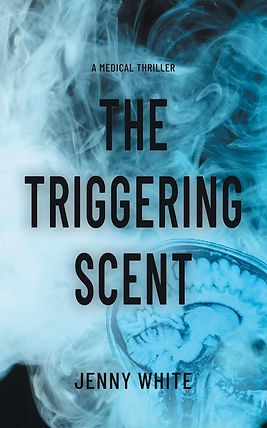
Every character needs a reason to act. In medical thrillers like those in Jenny White's Abbey Roberts RN series, credibility depends on characters making decisions that align with their professional expertise and personal stakes. A nurse character must behave like a nurse would actually behave under pressure, not like a generic detective.
Explore character motivation with these prompts:
Did the protagonist's professional background influence how they approached the mystery?
What would you have done differently in the protagonist's position?
Does the antagonist's motive feel proportional to their crime, or does it strain credibility?
Which supporting character surprised you most, and why?
How does the author reveal character motivation, through dialogue, action, or internal monologue?
Thriller Book Club Questions on Plot and Structure
Plot structure determines whether a mystery feels inevitable or contrived. Readers recognize the difference between foreshadowing that rewards careful attention and red herrings that feel cheap. Discussion questions about plot mechanics help members articulate what worked and what didn't.
Opening Hooks and Initial Crime
The opening scene sets the tone for everything that follows. A strong hook pulls readers into the world immediately and introduces the central crime in a way that creates immediate questions: Who is this person? What happened? Why should I care?
Ask these questions about the opening:
How did the author grab your attention in the first chapter?
What was your initial theory about the crime, and when did that theory change?
Did the opening scene feel realistic, or did it rely on coincidence to set up the plot?
How much did you know about the victim before the crime occurred?
If you could rewrite the opening, what would you change?
Pacing, Foreshadowing, and the Climax
Pacing controls tension. Too slow and readers lose interest; too fast and the story feels rushed. Foreshadowing plants clues that reward attentive readers without giving everything away. The climax should feel both surprising and inevitable.
Discuss pacing and structure with these questions:
Did the story maintain steady tension, or were there sections where your interest flagged?
Looking back, what clues did the author plant that you missed on first read?
Did the climax feel earned, or did it rely on information the reader didn't have access to?
How many times did you change your theory about the culprit?
What was the turning point where you realized the true direction of the plot?
Plot Twists and Red Herrings
Red herrings are intentional misdirection. A skilled author plants false suspects and misleading clues that feel genuine in the moment. Plot twists recontextualize earlier events, forcing readers to reconsider what they thought they knew.
Evaluate plot twists with these prompts:
Did the major plot twist surprise you, or did you see it coming?
Which red herring was most effective at misdirecting you?
When the twist was revealed, did it feel like cheating or like a fair play mystery?
Were there clues you missed that would have predicted the twist?
How would the story change if the twist had been revealed earlier?
How to Host a Mystery Book Club Discussion
Hosting a successful book club requires preparation and flexibility. Start by selecting 5-7 questions in advance, think of them as conversation starters, not a quiz. This leaves room for tangents and organic conversation while ensuring you cover key topics.

Spoiler-Free and Spoiler-Heavy Sections
Establish ground rules at the beginning. Spend the first 15-20 minutes on spoiler-free territory, first impressions, initial character reactions, and general pacing. Warn the group before moving into spoiler-heavy discussion. For remote book clubs, send spoiler-free questions in advance and clearly label which sections cover major plot points. Maintaining this structured approach ensures that every member remains engaged, much like the sense of discovery found when selecting a blind date book box for your next mystery read.
Facilitating Remote and Virtual Book Clubs
Send the question list to members 24 hours before the meeting. Use breakout rooms strategically: split into smaller groups of 3-4 for 15 minutes to discuss a specific question, then reconvene to share key insights. Keep virtual meetings to 60-75 minutes. Use a shared document where members can add thoughts in real-time, and encourage members to have their books visible during the call.
Writing Style, Atmosphere, and Emotional Resonance
How an author writes matters as much as what they write. Word choice, sentence rhythm, and narrative perspective all shape how readers experience tension and emotion.
Discuss these elements with your group:
Describe the author's writing style in three words. How did it serve the story?
Did the author use short sentences for tension and longer sentences for reflection?
How did the author create atmosphere, through description, dialogue, or internal monologue?
Which scene had the strongest emotional impact, and why did it land so hard?
Did the author's prose style feel consistent throughout, or did it shift between sections?
How would the story feel different if told from a different character's perspective?
Comparing Mystery Novels and Sub-Genre Specifics
Mystery fiction spans multiple sub-genres, each with distinct conventions and reader expectations. A cozy mystery operates under different rules than a psychological thriller.
Psychological Thrillers vs. Cozy Mysteries
Psychological thrillers prioritize internal tension and unreliable narrators. Readers question what they're being told because the protagonist's mental state is unstable. Cozy mysteries feature amateur sleuths in safe communities where violence happens off-page and the focus is on puzzle-solving and character relationships.
Compare these sub-genres with questions like:
If this book were rewritten as the opposite sub-genre, what would change fundamentally?
Which sub-genre do you prefer, and why?
Did this author follow the conventions of its sub-genre, or break them intentionally?
How does the setting reinforce the sub-genre expectations?
Would a cozy mystery work with this plot, or does it require psychological thriller conventions?
Medical Thrillers and Ethical Dilemmas
Medical thrillers introduce ethical complexity grounded in real healthcare systems. A medical thriller isn't just about solving a crime; it's about navigating professional ethics, patient confidentiality, and the tension between individual conscience and institutional rules. Authors like Jenny White, who bring genuine nursing experience to their work, create authenticity that elevates medical thrillers beyond generic suspense.
Discuss medical thriller specifics:
Did the medical details feel accurate, or did they feel researched but hollow?
What ethical dilemma did the protagonist face, and how did they resolve it?
How did the hospital setting influence the plot?
Would this story work in a different professional setting, or is medicine essential?
Did the author balance medical accuracy with narrative momentum?
Critical Thinking and Thematic Analysis
Beyond plot and character, mysteries explore themes: justice versus revenge, truth versus loyalty, individual conscience versus institutional authority. Thematic analysis deepens book club discussion into territory that matters beyond the page.
Ask questions that push thematic thinking:
What is the book really about beneath the surface plot?
How does the author explore the concept of justice, is it achieved, denied, or complicated?
What moral choice did the protagonist face, and did you agree with their decision?
How does this book comment on institutions (hospitals, police, government)?
What does the ending suggest about the author's worldview?
How does this book compare thematically to other mysteries you've read?
What question does this book leave you with after finishing?
Frequently Asked Questions
What makes a good discussion question for a mystery novel?
The best discussion questions for mystery novels push beyond plot summary to explore character motivations, narrative structure, and emotional impact. Strong questions examine whether clues feel planted fairly, how the author builds suspense through pacing and foreshadowing, and whether the protagonist's arc feels earned. Questions that reveal contradictions between character alibis or ask readers to predict outcomes before the climax generate the most engaging conversations. Avoid yes-or-no questions; instead, ask 'why' and 'how' to spark genuine debate.
How do you discuss ethical dilemmas in suspense novels without spoiling the ending?
Frame ethical questions around character choices and motivations rather than outcomes. Ask readers to consider what they would do in the protagonist's position, or debate whether a character's actions were justified given the circumstances. For medical thrillers specifically, explore questions like 'What would you do if you discovered a colleague's mistake?' or 'How far would you go to protect a patient?' These discussions work spoiler-free because they focus on the dilemma itself, not the resolution. Establish a spoiler boundary early: 'We're discussing decisions up to Chapter 5 only.'
What are the best icebreaker questions for a mystery-themed book club?
Start with low-stakes personal questions that connect to the mystery genre. Try 'What's the first mystery novel you ever read?' or 'If you were a detective, what would be your biggest weakness?' You can also ask 'Did you guess the culprit before the reveal?' or 'Which character would you trust least?' These warm up the group and reveal reading preferences without requiring deep analysis. For virtual book clubs, use polls: 'Plot twist: did you see it coming?' This builds engagement before diving into structured discussion questions.
How do character analysis questions for thrillers differ from other genres?
Thriller character analysis focuses heavily on credibility, motive, and reliability. Ask readers to evaluate whether a character's alibi holds up, what contradictions exist in their testimony, and whether their emotional reactions feel authentic. In psychological thrillers, explore unreliable narrators: 'Do you trust the protagonist's version of events?' For medical thrillers, examine professional ethics and pressure: 'How did the hospital environment influence this character's decisions?' These questions treat characters as suspects or witnesses, making readers active participants in solving the mystery.
Buy now


Comments