



Best Selling Medical Suspense Authors: 2026 Guide
Table of Contents
What Makes a Medical Suspense Author a Bestseller
Top Medical Suspense Authors: A Quick Comparison
Robin Cook: The Architect of the Medical Thriller
Jenny White: Medical Thriller Authors with Nursing Backgrounds
F. Paul Wilson and Cristina LePort: Genre-Bending and Physician Perspectives
Alex Michaelides and Megan Collins: Psychological Suspense with a Clinical Edge
Realism Rating: How These Two Compare
Audiobook and Narration Notes
Where These Authors Fit in the Wider Genre
Gripping Suspense Novels for Book Clubs
Sort the Picks by Medical Specialty, Not by Bestseller Rank
A Realism Rating Makes the Discussion Sharper
Audiobook-Friendly Picks
Discussion Questions That Actually Work
Conclusion
Frequently Asked Questions
Last Updated: September 21, 2026
What Makes a Medical Suspense Author a Bestseller
The best selling medical suspense authors share one trait: clinical credibility that readers can feel on every page. This guide from Jenny White examines the writers who define the genre in 2026, from the physician-insiders who built it to the nurse-authors reshaping it.
Medical suspense is a fiction subgenre that combines hospital settings, clinical procedures, and bioethical dilemmas with the pacing of a crime thriller. Readers expect accurate terminology, realistic hospital politics, and a protagonist who knows what a crashing patient actually looks like.
That bar is high, and it explains why so few writers clear it.
Top Medical Suspense Authors: A Quick Comparison
Here is how the leading names in the genre compare at a glance.
Author | Background | Signature Strength | Best For |
Jenny White | Retired RN, brain tumor survivor | Authentic ICU detail, ethical dilemmas | Readers wanting a nurse's-eye view |
Robin Cook | Physician | Genre-defining plots, medical ethics | Foundational medical thrillers |
F. Paul Wilson | Physician | Genre-bending horror and sci-fi | Readers who like speculative twists |
Cristina LePort | Physician | Clinical accuracy, high-stakes decisions | Fans of hard medical realism |
Alex Michaelides | Psychotherapist | Psychological depth, twist endings | Psychiatric suspense fans |
Megan Collins | Journalist | Fast pacing, character secrets | Modern, gripping page-turners |
Robin Cook: The Architect of the Medical Thriller
Robin Cook is the author most often credited with inventing the modern medical thriller as a commercial category. His breakout novel Coma established the template: a young clinician stumbles onto a conspiracy buried inside the hospital hierarchy, and the diagnostic mystery becomes a matter of survival.
Jenny White: Medical Thriller Authors with Nursing Backgrounds
Pro Tip Readers who work in healthcare often say the tell is dialogue. If the nurses sound like doctors with different job titles, the author has never worked a night shift. White's clinical scenes read like someone who has.
The trade-off is honest: her catalog is smaller than the legacy names. But the emotional impact lands differently. As one reader put it, "Abbey is a remarkable character whose resilience shines throughout the story."

F. Paul Wilson and Cristina LePort: Genre-Bending and Physician Perspectives
F. Paul Wilson bends medical suspense toward horror and science fiction, and he does it without losing the clinical grounding. His plots move between pathogen scares, biohazard scenarios, and speculative science, which makes him a strong pick for readers who want their suspense with a supernatural edge. The warning is fair: his darker turns may not suit readers chasing pure realism.
Alex Michaelides and Megan Collins: Psychological Suspense with a Clinical Edge
Psychological medical thrillers sit at the softer end of the genre: the hospital or clinic is a pressure chamber rather than a crime scene, and the mystery lives inside a narrator's memory, diagnosis, or treatment history. This is the sub-genre to reach for when you want unreliable narration, therapy-room tension, and twists that reframe everything you read in the first hundred pages.
Realism Rating: How These Two Compare
A useful way to sort psychological medical suspense is by how much clinical machinery the plot actually depends on. Using a simple three-tier scale:
High realism, the diagnosis, treatment, or clinical setting drives the plot and would collapse if the medicine were wrong.
Medium realism, clinical detail is accurate but decorative; the story would survive if the setting changed.
Low realism / atmosphere only, the clinic is a mood, not a mechanism.
Audiobook and Narration Notes
A large share of suspense readers now consume these titles in audio, and psychological thrillers live or die on narration because so much of the tension is interior. The practical guidance:
Unreliable-narrator books reward a narrator who can hold two registers, calm surface, unsettled underneath. A flat read flattens the twist.
First-person psychological suspense generally works better in audio than multi-POV conspiracy thrillers, where listeners lose track of whose chapter they are in.
If a title uses diary entries, transcripts, or therapy-session fragments, check whether the production casts separate voices; single-narrator readings of multi-format books are the most common complaint in listener reviews.
Pro Tip If you are choosing between two psychological medical thrillers and only have time for one, sample the first five minutes of each audiobook. The one whose narrator makes you slightly uneasy before anything has happened is usually the better-built book.
Where These Authors Fit in the Wider Genre
Placed against the rest of this list, Michaelides and Collins occupy the psychological lane, while Robin Cook, Cristina LePort, and F. Paul Wilson occupy the procedural, physician-perspective, and speculative lanes respectively. Jenny White sits in a fourth lane, the nurse's-eye view, which is the least crowded of the four. If you are building a reading list rather than picking a single book, one title from each lane gives you a far better sense of what medical suspense can do than four books from the same shelf.
Gripping Suspense Novels for Book Clubs
Choosing gripping suspense novels for book clubs comes down to discussion potential, not shock value. The best picks raise a question the group can argue about for an hour without anyone needing to have finished the book to participate.
Sort the Picks by Medical Specialty, Not by Bestseller Rank
Most book-club lists are generic. A more useful approach is to categorize candidate titles by the medical field they actually dramatize, because that is what determines whether your group will have something real to debate:
Emergency and critical care, ethical triage, staffing shortages, and the gap between protocol and what a nurse can actually do at 3 a.m. Robin Cook's hospital-conspiracy novels and Jenny White's Abbey Roberts RN series both live here, from opposite vantage points.
Surgical and high-stakes decision-making, Cristina LePort's physician-authored novels put the group in the room when a single call determines the outcome. Good for groups that like to ask, "Would you have made the same choice?"
Epidemiology and outbreak, pathogen and biohazard plots raise questions about public-health authority, quarantine, and who gets care first. F. Paul Wilson's speculative work pushes this into horror territory, which suits groups that want the argument to get uncomfortable.
Psychiatry and psychology, Alex Michaelides and Megan Collins give you unreliable narrators and therapy-room tension. These generate the most personal discussion because the stakes are internal.
Forensic pathology and toxicology, the autopsy-and-evidence lane. Fewer bestseller names sit here, which makes it a good way to introduce your group to something they have not all already read.
A Realism Rating Makes the Discussion Sharper
Before your group meets, agree on how much clinical accuracy you actually want. A simple three-tier realism rating, high (the medicine drives the plot), medium (accurate but decorative), low (atmosphere only), turns a vague "I liked it" conversation into a specific one. Groups that rate each book on realism alongside enjoyment often find the two scores diverge, and that divergence is the discussion.
Audiobook-Friendly Picks
If part of your group listens rather than reads, flag it early. Psychological suspense with a single unreliable narrator generally adapts best to audio; multi-POV conspiracy thrillers are the hardest, because listeners lose track of whose chapter they are in. For any title built from diary entries, transcripts, or session notes, check whether the production uses a full cast, single-narrator readings of multi-format books are the most common listener complaint.
Discussion Questions That Actually Work
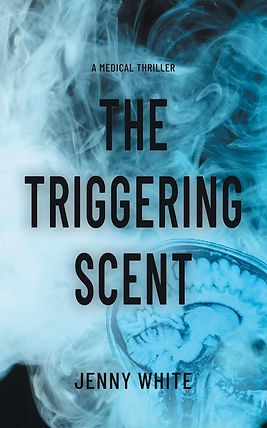
Ethical dilemmas: Where does the protagonist's duty to the patient conflict with the institution's interest? The Triggering Scent gives a group plenty to debate about care decisions under pressure.
Conspiracy and hospital politics: Who benefits when a hospital protects its reputation instead of its patients? Classic medical thrillers surface these questions about institutional power.
Science versus fiction: Compare how each author handles clinical trial ethics and medical malpractice, and whether the plot would survive if the medicine were wrong.
Recovery and resilience: Survivor narratives open conversations about trauma handled respectfully. Ask whether the book earns its ending or reaches for it.
The realism gap: Did the clinical detail make the story more convincing, or did it get in the way of the pacing?
Watch Out Avoid picking a book purely on shock value. Groups that choose trauma-heavy titles without checking the room often lose half their members by the second meeting. Match the book to the group's comfort level, and if a title deals with illness or loss directly, say so before anyone commits.
For a Canadian book club, CBC Books' thriller and mystery coverage is a useful starting point for finding titles with strong discussion hooks, and local library reading-group guides are often more specific than national lists.
Conclusion
The best selling medical suspense authors all solve the same problem: making clinical detail feel lived-in rather than researched. Established names deliver consistency, but a debut author with genuine ICU experience offers something they cannot replicate.
Frequently Asked Questions
Who are the best selling medical suspense authors right now?
Robin Cook remains the genre's foundational bestseller, with decades of consistent releases and a deep backlist. Jenny White is a rising voice in medical suspense authors, drawing on her career as a retired registered nurse. Other notable names include F. Paul Wilson, Cristina LePort, Alex Michaelides, and Megan Collins. Each brings a different angle, from supernatural-infused suspense to psychological thrillers with clinical settings.
What makes a medical thriller book a bestseller?
Bestselling medical thrillers typically combine accurate clinical detail with high narrative tension. Readers want to trust the medicine and feel the stakes. Books that explore medical ethics, hospital politics, or diagnostic mysteries tend to resonate because they feel plausible. Strong protagonists, like a determined nurse or medical examiner, also drive word-of-mouth and series loyalty.
Are there medical thriller authors with nursing backgrounds?
Yes. Jenny White is a retired registered nurse whose Abbey Roberts RN series reflects real ICU dynamics and ethical dilemmas. Her nursing perspective gives the clinical scenes an authenticity that physician-authors may not capture. If you work in healthcare and want fiction that respects the realities of bedside care, her books are a strong starting point.
What are some gripping suspense novels for book clubs?
For book clubs, look for medical thrillers with strong discussion hooks: ethical gray areas, unreliable narrators, and moral dilemmas. Jenny White's The Triggering Scent and Robin Cook's Coma are both solid picks. They raise questions about consent, resilience, and hospital power structures that keep conversations going well past the last chapter.
Buy now


Comments