

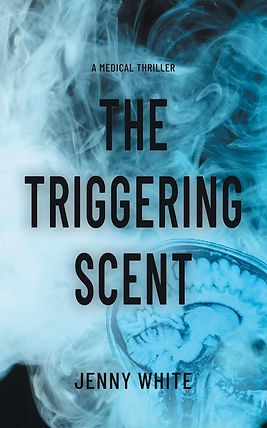


Gripping Suspense Novels for Book Clubs: 10 Best Picks
Table of Contents
Why Gripping Suspense Novels Make Perfect Book Club Picks What Makes a Suspense Novel Discussion-Ready
What Makes a Suspense Novel Discussion-Ready
10 Best Gripping Suspense Novels for Book Clubs 1. The Triggering Scent by Jenny White - Medical Thriller with Authentic Stakes 2. The Silent Patient by Alex Michaelides - Psychological Thriller with Shocking Twist 3. Big Little Lies by Liane Moriarty - Domestic Suspense with Character Depth 4. Gone Girl by Gillian Flynn - Psychological Thriller with Social Commentary 5. In a Dark, Dark Wood by Ruth Ware - Fast-Paced Suspense for Quick Readers 6. The Maid by Nita Prose - Cozy Whodunit with Unique Protagonist 7. Listen for the Lie by Amy Tintera - True-Crime Thriller with Modern Format 8. The Girl with the Dragon Tattoo by Stieg Larsson - Complex Crime Novel 9. The Push by Ashley Audrain - Psychological Thriller on Motherhood and Trauma 10. Magpie Murders by Anthony Horowitz - Literary Mystery with Clever Structure
1. The Triggering Scent by Jenny White - Medical Thriller with Authentic Stakes
2. The Silent Patient by Alex Michaelides - Psychological Thriller with Shocking Twist
3. Big Little Lies by Liane Moriarty - Domestic Suspense with Character Depth
4. Gone Girl by Gillian Flynn - Psychological Thriller with Social Commentary
5. In a Dark, Dark Wood by Ruth Ware - Fast-Paced Suspense for Quick Readers
6. The Maid by Nita Prose - Cozy Whodunit with Unique Protagonist
7. Listen for the Lie by Amy Tintera - True-Crime Thriller with Modern Format
8. The Girl with the Dragon Tattoo by Stieg Larsson - Complex Crime Novel
9. The Push by Ashley Audrain - Psychological Thriller on Motherhood and Trauma
10. Magpie Murders by Anthony Horowitz - Literary Mystery with Clever Structure
Book Club Discussion Questions for Thrillers: How to Spark Meaningful Conversation Discussion-Ready Prompts for Each Novel Creating Your Own Discussion Questions
Discussion-Ready Prompts for Each Novel
Creating Your Own Discussion Questions
How to Host a Book Club Meeting: Essential Tips for Thriller Discussions Setting the Atmosphere for Suspense Discussions Managing Spoilers and Pacing Your Conversation
Setting the Atmosphere for Suspense Discussions
Managing Spoilers and Pacing Your Conversation
Content Warnings and Pacing Metrics for Informed Choices Understanding Trigger Warnings Before You Choose Audiobook Accessibility and Reading Speed
Understanding Trigger Warnings Before You Choose
Audiobook Accessibility and Reading Speed
Conclusion: Your Next Gripping Page-Turner Awaits
Last Updated: June 29, 2026
Why Gripping Suspense Novels Make Perfect Book Club Picks
Suspense novels transform book clubs into passionate communities of engaged readers. These page-turners spark genuine conversation, challenge assumptions about morality, and keep members thinking long after the final chapter. According to Publishers Weekly's 2026 reading trends analysis, psychological thrillers and domestic suspense dominate book club selections, with members citing "discussion potential" as the primary reason.
The best suspense novels raise uncomfortable questions without easy answers. They explore ethical dilemmas, unreliable narrators, and the gap between what people present to the world and what they hide. This complexity creates natural friction in group discussions, members disagree about character motivations, debate moral choices, and defend their interpretations with passion.
What Makes a Suspense Novel Discussion-Ready
A discussion-ready thriller examines themes that resonate across readers' experiences: trust, power, survival, justice. It features morally complex characters rather than simple heroes and villains, raising questions about culpability and perspective that don't have definitive answers. The ideal balance combines enough momentum to keep pages turning with enough complexity to fuel meaningful discussion.

10 Best Gripping Suspense Novels for Book Clubs
1. The Triggering Scent by Jenny White - Medical Thriller with Authentic Stakes
The Triggering Scent launches the Abbey Roberts RN series with a premise grounded in real hospital tension. Jenny White, a retired registered nurse and brain tumor survivor, brings unmatched authenticity to medical drama. The novel follows Abbey Roberts navigating ethical dilemmas, patient care decisions, and hospital politics.
What sets this thriller apart is its refusal to simplify. Characters face genuine moral complexity with no perfect choices, only consequences. Realistic medical details create credibility that healthcare professionals immediately recognize. For book clubs, this authenticity sparks discussions about ethics, professional responsibility, and the invisible labor of healthcare workers.
Best for: Book clubs interested in character-driven suspense grounded in professional settings.
Discussion angle: How do institutional pressures shape individual choices?
Pacing: Medium-fast, 300+ pages.
2. The Silent Patient by Alex Michaelides - Psychological Thriller with Shocking Twist
A famous painter shoots her husband five times and then never speaks again. The novel alternates between a therapist obsessed with unlocking her silence and the patient's diary entries, creating tension through dual narrative and unreliable perspective. Readers second-guess what they know and who they trust.
The twist ending polarizes book clubs, some feel brilliantly deceived, others manipulated. This divisive reaction makes it perfect for discussion.
Best for: Groups that enjoy debating psychological motivations and defending interpretations.
Discussion angle: At what point did you suspect the truth? How does the ending reframe earlier scenes?
Pacing: Fast-paced, under 350 pages.
3. Big Little Lies by Liane Moriarty - Domestic Suspense with Character Depth
Three women in a coastal Australian town carry secrets that explode into violence. The novel opens with a death at a school trivia night, then rewinds to show how three seemingly privileged lives unraveled. Moriarty excels at character development, making each woman fully realized with competing needs and legitimate grievances.
Domestic suspense explores violence hidden behind closed doors: financial control, emotional manipulation, physical abuse. Humor balances the darkness while readers confront serious themes about power, agency, and survival.
Best for: Clubs seeking character-driven stories with rich social commentary.
Discussion angle: Which woman's perspective did you trust most? How does the novel complicate victim narratives?
Pacing: Slower than traditional thrillers but page-turning. 400+ pages.
4. Gone Girl by Gillian Flynn - Psychological Thriller with Social Commentary
Gone Girl defined the modern psychological thriller. A wife disappears on her wedding anniversary; her husband becomes the obvious suspect. Dual timeline and dual perspective create a masterpiece of unreliable narration, both narrators lie, and readers must piece together what actually happened.
The "cool girl" monologue remains one of fiction's sharpest critiques of gender performance. The novel uses the thriller format to explore marriage as psychological warfare with intentionally unlikable characters.
Best for: Clubs that enjoy analyzing morally ambiguous characters and debating whose perspective is "correct."
Discussion angle: Who is the villain? How does gender shape reader sympathy?
Pacing: Tightly plotted with escalating tension. 400+ pages.
5. In a Dark, Dark Wood by Ruth Ware - Fast-Paced Suspense for Quick Readers
A reclusive writer receives an invitation to a bachelorette party at a remote glass house in the woods. Something goes horribly wrong. The novel is told through fragmented memories as the narrator pieces together what happened that night.
This is suspense stripped to essentials: isolated setting, limited cast, high stakes, unreliable memory. Ware builds claustrophobic tension efficiently. At under 320 pages, it's ideal for busy book clubs.
Best for: Groups with limited reading time who want maximum tension.
Discussion angle: How reliable is memory? What would you do in the narrator's situation?
Pacing: Very fast-paced.
6. The Maid by Nita Prose - Cozy Whodunit with Unique Protagonist
Molly is a neurodivergent hotel maid with rigid routines and a literal mind. When a wealthy guest dies in her hotel, Molly becomes the prime suspect. The mystery unfolds through Molly's perspective, and readers must separate what actually happened from what Molly's perception filters.
This lighter entry in the suspense genre is deeply thoughtful about how society judges people who don't conform to neurotypical expectations. Molly is lovable precisely because she doesn't perform normalcy.
Best for: Clubs seeking lighter, character-focused mystery with neurodiversity representation.
Discussion angle: How does Molly's perspective shape what we see? What does the novel suggest about social perception?
Pacing: Medium, under 350 pages.
7. Listen for the Lie by Amy Tintera - True-Crime Thriller with Modern Format
Cassidy Bowman returns to her hometown, where she's still the prime suspect in her best friend's murder. A true-crime podcast team arrives to investigate. The novel alternates between Cassidy's perspective and podcast transcripts, creating a modern narrative structure that feels fresh.
Tintera captures the obsessive quality of true-crime consumption while exploring small-town secrets. The witty voice and engaging format make this a page-turner with a genuinely surprising mystery.
Best for: Clubs that enjoy true-crime tropes and contemporary storytelling.
Discussion angle: How does the podcast format change the investigation? Who would you believe?
Pacing: Fast and engaging. Around 350 pages.
8. The Girl with the Dragon Tattoo by Stieg Larsson - Complex Crime Novel
This Swedish crime novel is dense, intricate, and unforgettable. A journalist and brilliant hacker investigate a decades-old disappearance. The novel demands attention but rewards close reading with complex plotting and unforgettable characters.
Lisbeth Salander is one of fiction's great characters: brilliant, traumatized, fiercely independent. The novel explores systemic corruption, institutional abuse, and individual agency.
Best for: Clubs with dedicated readers who enjoy long, immersive narratives and systemic corruption themes.
Discussion angle: What makes Lisbeth compelling? How does the novel explore institutional failure?
Pacing: Dense and lengthy. 600+ pages.
9. The Push by Ashley Audrain - Psychological Thriller on Motherhood and Trauma
Bea is a new mother consumed by anxiety and fear. She's terrified her child might be dangerous. The novel explores generational trauma, maternal anxiety, and the unsettling question: what if your child is fundamentally different in ways that frighten you?
This deeply unsettling psychological suspense refuses easy reassurance. Tension comes from internal experience rather than external plot mechanics.
Best for: Clubs ready for emotionally intense material exploring parenthood as psychological terrain.
Discussion angle: How does trauma transmit across generations?
Pacing: Slow-burn intensity. Around 350 pages.
Content warning: Explores maternal anxiety, childhood trauma, and parental fear.
10. Magpie Murders by Anthony Horowitz - Literary Mystery with Clever Structure
This story-within-a-story pays homage to classic British detective fiction while providing a modern twist. A literary editor discovers an unpublished manuscript by a deceased mystery writer. As she reads, she discovers it mirrors events in her own life. Two mysteries unfold simultaneously, and readers must solve both.
Horowitz is a master craftsperson. The structure is clever without being gimmicky and rewards readers who love puzzles.
Best for: Clubs that love puzzles, classic mysteries, and literary games.
Discussion angle: How did you solve both mysteries? What's the significance of the dual structure?
Pacing: Requires attention to detail but moves at a good clip. Around 400 pages.
Book Club Discussion Questions for Thrillers: How to Spark Meaningful Conversation
Effective book club discussion goes beyond plot summary. The best conversations explore themes, character motivation, and what the novel reveals about human nature.
Discussion-Ready Prompts for Each Novel
Tailor prompts to each book's specific concerns. For The Silent Patient, ask about the reliability of professional expertise. For Big Little Lies, explore how privilege conceals suffering. For Gone Girl, debate whether either narrator deserves reader sympathy.
The strongest discussions start with disagreement. Ask questions where reasonable readers reach different conclusions: "Did Amy deserve what happened to her?" or "Was Abbey right to act as she did?" These questions generate genuine debate because they lack obvious correct answers.
Avoid yes/no questions. Instead, ask: "What would you have done in this situation?" or "How did your opinion of this character change?" These open-ended prompts encourage elaboration and reveal how different readers interpret the same events.
Creating Your Own Discussion Questions
Start by identifying the novel's central tension. Is it a mystery (whodunit), a psychological exploration (what's happening inside a character), or a moral dilemma (what should someone do)?
For mysteries, ask about clues: "When did you first suspect the truth?" For psychological explorations, ask: "How would this story change if told from another character's viewpoint?" For moral dilemmas, ask: "What would you do in this situation?"
Prepare 5-7 questions before your meeting. Start with lighter questions to warm up the group, then move toward more complex territory. End with: "Would you recommend this book?"
How to Host a Book Club Meeting: Essential Tips for Thriller Discussions
Hosting a successful meeting requires intentional structure. Thriller discussions benefit from clear guidelines that protect time for substantive conversation.
Setting the Atmosphere for Suspense Discussions
Choose a space where people can sit comfortably and see each other's faces. Dim lighting and comfortable seating signal dedicated focus. Provide beverages and light snacks, the ritual of sharing food creates intimacy.
Start on time and set clear expectations: 60-75 minutes for book discussion, then lighter socializing. This structure ensures the book gets serious attention. Set a norm: no spoiler warnings after the first five minutes. Everyone is expected to have read the book.
Managing Spoilers and Pacing Your Conversation
Begin with a brief plot recap, then move immediately into thematic discussion. Spend 15 minutes on plot, then shift to deeper questions. When someone reveals a twist, acknowledge it and move forward. Ask: "How did that revelation change your understanding of earlier scenes?"
If discussion stalls, use your prepared questions. Ask someone directly: "What did you think about [character's] decision?" Watch the time, if a question generates rich discussion, stay with it. If conversation lags, move forward.
Content Warnings and Pacing Metrics for Informed Choices
Selecting books requires understanding what each novel contains. Content warnings help members make informed decisions.
Understanding Trigger Warnings Before You Choose
The Silent Patient contains themes of obsession and institutional power dynamics. Big Little Lies explores domestic violence, financial abuse, and assault. Gone Girl depicts psychological abuse with morally corrupt characters. The Push explores parental anxiety and childhood trauma, not suitable for readers struggling with these issues. The Girl with the Dragon Tattoo contains graphic violence and sexual assault.
Ask your book club about content sensitivities before selecting.
Audiobook Accessibility and Reading Speed
Many book clubs include audiobook listeners. Gripping suspense novels translate well to audio, and talented narrators enhance character voices. The Silent Patient and Gone Girl have excellent audiobook performances.
Calculate reading time before selecting. A 350-page novel at average reading speed takes 10-15 hours. For a monthly meeting with two weeks' reading time, that's manageable.
Novel | Page Count | Reading Time | Best Format | Discussion Difficulty |
300+ | 10-12 hours | Print or audio | Medium | |
The Silent Patient | 330 | 10-11 hours | Audio excellent | Medium-High |
Big Little Lies | 400+ | 13-15 hours | Print or audio | Medium-High |
Gone Girl | 400+ | 13-15 hours | Audio excellent | High |
In a Dark, Dark Wood | 300 | 9-10 hours | Either | Medium |
The Maid | 320 | 10-11 hours | Either | Low-Medium |
Listen for the Lie | 350 | 11-12 hours | Audio excellent | Medium |
The Girl with the Dragon Tattoo | 600+ | 18-20 hours | Print preferred | High |
The Push | 350 | 11-12 hours | Audio excellent | High |
Magpie Murders | 400+ | 13-15 hours | Print preferred | High |
Conclusion: Your Next Gripping Page-Turner Awaits
Choosing gripping suspense novels for book clubs requires balancing page-turning momentum with discussion potential. The best selections combine compelling characters, complex themes, and narrative techniques that reward close reading and debate.
The Triggering Scent by Jenny White exemplifies what makes a thriller discussion-worthy. Grounded in authentic medical detail and featuring a protagonist facing genuine ethical dilemmas, it delivers the immersive reading experience book clubs crave while raising questions members will discuss long after the final chapter.
Start your next book club meeting with one of these ten selections. Prepare discussion questions that move beyond plot. Create space for genuine disagreement about character motivation and moral choice. The conversation you generate will transform a reading group into a genuine community of engaged readers.
Frequently Asked Questions
What makes a good suspense novel for a book club?
The best gripping suspense novels for book clubs combine compelling plots with complex characters that spark debate. Look for page-turners with plot twists, unreliable narrators, or moral ambiguity that generate discussion. Psychological thrillers and domestic suspense excel because they explore human motivation and relationships. Books with cliffhangers, slow-burn tension, and character-driven narratives, like The Silent Patient or Big Little Lies, create natural talking points about motivations, consequences, and themes that linger after the final chapter.
How do book club discussion questions for thrillers differ from other genres?
Thriller discussion questions focus on plot mechanics, unreliable narrators, and moral choices rather than just character analysis. Ask members about plot twists they predicted, whether they trusted the narrator, and how the author manipulated their expectations. Thrillers also invite debate about ethics and character motivations, did the protagonist's actions make sense? Would you have done the same? These questions create dynamic conversations because suspense novels deliberately mislead readers, making everyone's interpretation valuable.
How should you host a book club meeting focused on suspense novels?
When hosting a book club meeting for thrillers, manage spoilers carefully by establishing ground rules upfront. Start with lighter discussion before revealing major plot twists. Create an atmosphere that reflects the book's tone, darker lighting, dramatic music, or themed snacks can enhance engagement. Set a timer for spoiler-free opening remarks, then allow deeper discussion. Encourage members to share their predictions and surprises. Keep a written list of discussion questions handy, and allow tangents when they reveal genuine insights about character motivation or narrative technique.
What content warnings should you check before selecting gripping suspense novels for book clubs?
Always review content warnings before choosing suspense novels for your group. Check for domestic abuse, violence, trauma, mental health themes, and sexual assault, common in psychological thrillers. Books like The Push address generational trauma and parental anxiety; Gone Girl includes domestic violence; The Girl with the Dragon Tattoo contains graphic content. Knowing these details helps you select books your group can discuss comfortably and allows members to opt out if needed. Many publishers now include detailed trigger warnings on book websites and retailer pages.
[EXTERNAL_LINK: American Library Association's book club resources and discussion guides | ala.org]
[EXTERNAL_LINK: Goodreads book club discussion questions database | goodreads.com]
[EXTERNAL_LINK: The Raven Book Store's guide to hosting meaningful book club conversations | ravenbook.com]
This article was written using GrandRanker


Comments