



Authentic Hospital Settings in Mystery Novels
Updated: Sep 16
Table of Contents
Why Hospital Settings Matter in Medical Thrillers
Common Medical Mistakes in Fiction That Break Immersion
Misrepresenting Emergency Department Protocols
Unrealistic Diagnostic Timelines and Pathology Results
Ignoring Patient Confidentiality and Medical Ethics
Hospital Hierarchy for Writers: Understanding Who Holds Power
Physician Authority and the Reality of Delegation
The Nursing Station as Command Center
Administrative and Political Dynamics
Researching Hospital Layouts and Protocols for Authentic Scenes
Mapping the Physical Space: ICU, Surgical Theater, and On-Call Rooms
Understanding Triage, Rounds, and Daily Hospital Rhythms
Medical Thriller Writing Tips: Building Narrative Tension Without Sacrificing Accuracy
Balancing Medical Jargon With Narrative Flow
Using Sensory Details to Create Immersion
Creating Life-or-Death Stakes Through Resource Constraints
Legal and Ethical Considerations When Naming Real Hospitals
The Difference Between TV Hospital Drama and Real Hospital Reality
Conclusion
Last Updated: August 28, 2026
Why Hospital Settings Matter in Medical Thrillers
The difference between an immersive medical thriller and one that feels like Hollywood fiction often comes down to authenticity. Readers who work in healthcare, survivors seeking authentic representation, and fans of the genre sense inauthenticity immediately. When a hospital setting rings false, it breaks the psychological stakes that drive the entire narrative.
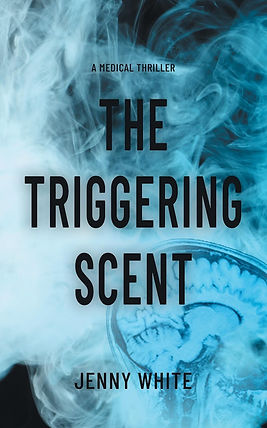
Jenny White's debut novel, The Triggering Scent, demonstrates how a retired registered nurse's insider knowledge transforms a hospital from backdrop into a character itself. The ICU constrains the drama, shapes it, and forces characters to navigate real protocols alongside emotional crises. That authenticity keeps readers turning pages.
The stakes in a medical thriller aren't just about survival, but whether readers believe the world in which survival happens. A hospital that operates according to actual triage protocols, real diagnostic timelines, and genuine ethical dilemmas becomes a pressure cooker where every decision carries weight. Readers familiar with healthcare settings detect shortcuts immediately, and even those without medical backgrounds sense when something feels off.
Common Medical Mistakes in Fiction That Break Immersion
Misrepresenting Emergency Department Protocols
The emergency department operates as highly structured chaos, not a rules-free zone. Patients move through triage using standardized protocols. A patient with a minor laceration waits; one in respiratory distress moves to the front. A patient with chest pain gets an ECG within minutes because protocol demands it.
One critical mistake: showing physicians making unilateral decisions without consulting the broader team. In real emergency departments, nurses catch errors, pharmacists verify medications, and respiratory therapists manage airways. A doctor who bypasses these checks signals to medical readers that the author doesn't understand how hospitals function.
Another error: admitting stable patients to the ICU for plot convenience. Intensive care beds are scarce and expensive. A patient gets admitted because they need continuous monitoring or life support, not because the story requires dramatic tension. This constraint actually forces you to create tension within realistic boundaries.
Unrealistic Diagnostic Timelines and Pathology Results
Fiction routinely compresses diagnostic timelines into minutes. A character arrives, gets a CT scan, speaks with pathology, and receives a diagnosis within an hour. In reality, pathology results take time. Biopsies don't come back within hours (peer-reviewed research). Cultures take 24-48 hours minimum (Public Health Agency of Canada). Blood work requires processing time. Imaging gets interpreted by radiologists reviewing dozens of studies.
The solution isn't abandoning the plot, it's working within real timelines. A character can suspect a diagnosis while waiting for results. Tension builds as tests come back negative. The waiting period becomes part of the psychological pressure. Jenny White's approach uses these delays strategically, allowing character development and tension to build while diagnostic processes unfold realistically.
Pathology reports also suffer from compression. A pathologist doesn't call with results during surgery. Results go through formal channels, get documented in the medical record, and are communicated to the attending physician first, who then speaks with the patient.
Ignoring Patient Confidentiality and Medical Ethics
Patient confidentiality laws shape how hospitals operate. In Canada, the Personal Information Protection and Electronic Documents Act (PIPEDA) and provincial health information acts govern how personal health information is collected, used, and disclosed. A character can't casually discuss another patient's condition in the hallway. Information isn't shared across departments without proper authorization. A physician can't access a patient's medical record out of curiosity. These aren't bureaucratic obstacles, they're ethical boundaries.
Medical ethics committees review cases involving ethical dilemmas. A physician can't unilaterally decide to withhold treatment or pursue an unconventional approach without consultation and documentation. Using ethics authentically creates powerful drama: a physician wants to help but faces resource limitations; a nurse recognizes a medication error and must navigate hierarchy to report it; a patient's family demands treatment the medical team believes is futile. These tensions exist within actual hospital systems and create authentic drama.
Hospital Hierarchy for Writers: Understanding Who Holds Power
Physician Authority and the Reality of Delegation
Physician authority is real but constrained and distributed. A physician writes orders, but nurses execute them. A physician diagnoses, but lab technicians, radiologists, and pathologists provide the information diagnosis depends on. A physician can't simply decide to admit a patient to the ICU; they must justify it to the intensivist who manages ICU admissions.
This hierarchy creates realistic conflict. A protagonist physician pursuing aggressive treatment must convince colleagues, navigate institutional politics, and justify decisions to administrators. Attending physicians hold more authority than residents, who hold more than interns. But a senior nurse with decades of experience often wields more practical power than a junior physician. A respiratory therapist manages the ventilator and may catch problems the physician misses. These distributed power dynamics create opportunities for conflict that feel authentic.
The Nursing Station as Command Center
The nursing station is the operational heart of a hospital unit, where information flows, decisions get communicated, and the unit's rhythm is coordinated. It's a workspace under constant pressure, not a social hub.
For writers, the nursing station offers rich material. It's where conversations reveal hospital culture and tension surfaces between disciplines. A character passing through overhears critical information. A nurse coordinates care across multiple patients. A physician stops by to review a patient's status. The nursing station also represents where hierarchy becomes visible: senior nurses have more authority, physicians may or may not be welcomed into conversations depending on unit culture, and visitors are typically redirected away.
Administrative and Political Dynamics
Hospital administration shapes everything physicians and nurses do. Budget constraints limit staffing. Bed management coordinates admissions and discharges. Quality committees review adverse events. Risk management assesses liability. A physician can't simply order expensive tests without justification. A hospital can't maintain unlimited ICU beds. Staff shortages mean nurses work with inadequate support.
Hospital politics also shape decision-making. A physician pursuing unconventional treatment must navigate relationships with colleagues, administrators, and ethics committees. A nurse identifying a systemic problem must work through proper channels. These political realities create conflict that feels earned because it reflects actual hospital dynamics.
Researching Hospital Layouts and Protocols for Authentic Scenes
Mapping the physical space of a hospital is essential for writing grounded scenes. An ICU layout differs significantly from a surgical ward. An emergency department operates differently from an inpatient unit. Health Canada's guidelines for medical facility design.

Mapping the Physical Space: ICU, Surgical Theater, and On-Call Rooms
An intensive care unit typically has beds arranged to allow nursing staff sight lines. Each bed has monitoring equipment, ventilators, medication pumps, and life support systems. This design constraint shapes how scenes unfold: a character can't hide in an ICU, and conversations near one bed might be overheard at another.
Surgical theaters have strict protocols about who enters and where they stand. The space is highly organized, with the surgical team in specific positions and sterile fields maintained. A character entering without proper preparation violates protocol immediately.
On-call rooms are typically small, shared spaces where physicians and nurses rest during long shifts. A character sleeping in an on-call room isn't alone; other staff members use the same space. This detail shapes what conversations can happen privately and how characters interact during downtime.
Medical Thriller Writing Tips: Building Narrative Tension Without Sacrificing Accuracy
Balancing Medical Jargon With Narrative Flow
Medical jargon establishes authenticity and creates atmosphere, but excessive jargon alienates unfamiliar readers. Use jargon strategically: physicians discussing a patient's condition with another physician use full terminology; explaining to a patient uses simpler language; nurses charting use standardized abbreviations. These variations feel authentic because they reflect how medical professionals actually communicate in different contexts.
Jargon also signals character expertise. A protagonist using medical terminology correctly earns credibility with medical readers. One who misuses terms signals that the author may not have done thorough research.

Using Sensory Details to Create Immersion
Hospital environments have distinctive sensory qualities: the smell of antiseptic, constant beeping of monitors, hum of ventilation systems, fluorescent lighting that creates timelessness, texture of hospital linens. These details create immersion without requiring technical accuracy.
Sensory details also communicate emotional states. A character noticing antiseptic smell is anxious or hyperaware. A character irritated by monitor beeping is sleep-deprived. A character finding fluorescent lighting oppressive feels trapped. These observations deepen characterization while grounding scenes in hospital reality.
Creating Life-or-Death Stakes Through Resource Constraints
The most authentic source of tension in hospital settings is resource constraints. Beds are limited. Staff is stretched thin. Equipment breaks down. A character fighting for an ICU bed creates tension because ICU beds genuinely are scarce. A character working a shift without adequate staffing creates tension because understaffing is real. These constraints force characters to navigate realistic pressure rather than impossible scenarios.
Resource constraints also create moral dilemmas: Who gets the last ICU bed when two patients need it? How does a nurse provide adequate care when assigned too many patients? How does a physician justify expensive treatment when the hospital has budget constraints? These questions have no perfect answers, making them dramatically compelling.
Legal and Ethical Considerations When Naming Real Hospitals
Using real hospital names in fiction carries legal and ethical implications. A hospital named in your thriller becomes associated with your fictional events. If your plot involves negligence or unethical behavior at that hospital, the real institution may have grounds for legal action. A guide to defamation law in Canada.
The safer approach is creating a fictional hospital with realistic characteristics. You can base it on real hospitals you've researched but give it a different name. This allows authentic writing about hospital operations without legal liability and gives you creative freedom to adjust layouts or protocols to serve your narrative. Jenny White's approach demonstrates how to create immersive hospital settings without relying on real hospital names.
The Difference Between TV Hospital Drama and Real Hospital Reality
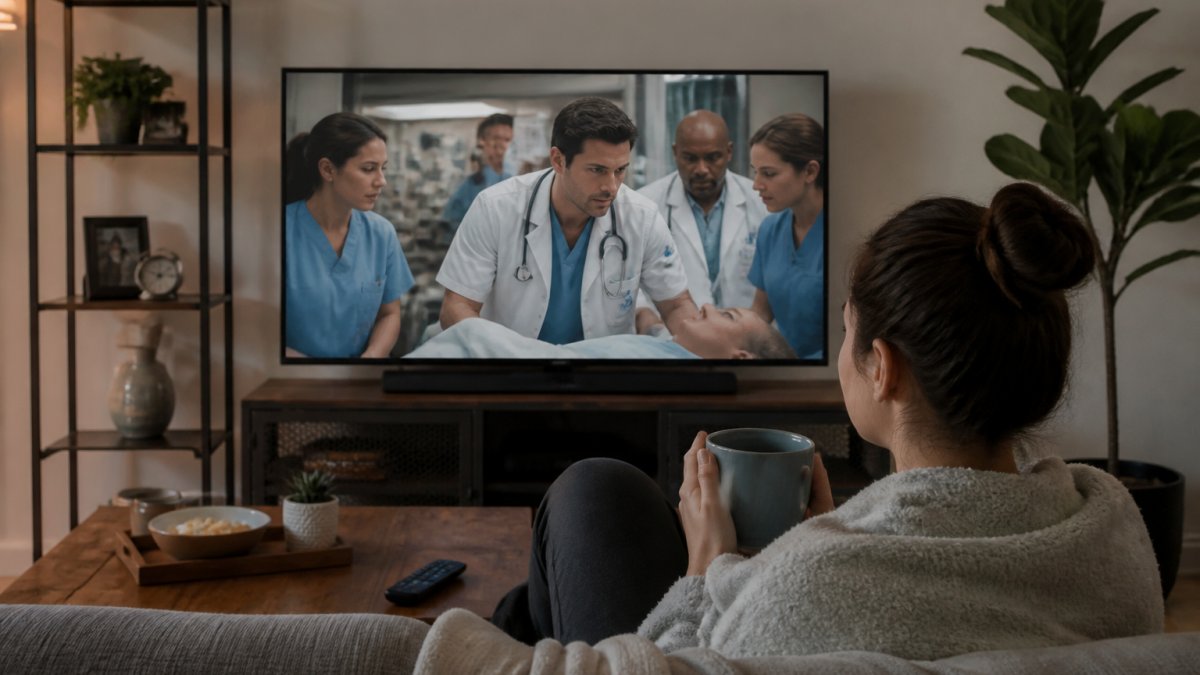
Television medical dramas prioritize entertainment over accuracy. Procedures happen faster. Diagnoses come quicker. Physicians have more autonomy. Dramatic moments occur with unrealistic frequency.
Novels have different opportunities. You can slow down time, show the waiting and uncertainty that television compresses, explore internal experience, and develop relationships that emerge over time. Real hospitals involve more waiting, bureaucracy, coordination, and fewer dramatic moments than television suggests. But this reality, when portrayed authentically, creates different tension: uncertainty becomes psychologically unbearable, waiting becomes torture, bureaucracy becomes an antagonist.
Readers increasingly expect authenticity. Survivors of medical crises recognize when portrayal rings false. Healthcare professionals spot inaccuracies immediately. This doesn't mean sacrificing drama; it means finding drama within authentic constraints rather than inventing medical impossibilities.
Writing authentic hospital settings in medical thrillers requires research, but authenticity doesn't mean sacrificing narrative tension. The constraints of real hospitals, resource limitations, hierarchical dynamics, ethical dilemmas, procedural requirements, create genuine pressure without requiring invented medical implausibilities.
Jenny White's work demonstrates how a retired registered nurse's insider knowledge transforms hospital settings into a character that shapes every scene. Her debut novel, The Triggering Scent, shows that authentic medical detail and gripping suspense aren't competing goals; they're complementary. When you write a hospital operating according to real protocols, managed by characters navigating genuine constraints, your story gains credibility that invented drama cannot replace.
Healthcare professionals, survivors, and fans of authentic medical fiction will recognize and reward that authenticity. They'll recommend your work because it respects their knowledge. That trust transforms a thriller into something readers remember long after finishing the final page.
Frequently Asked Questions
What are the most common medical inaccuracies in mystery novels?
Medical thrillers often compress diagnostic timelines, show doctors performing tasks nurses actually handle, and misrepresent emergency department triage protocols. Characters frequently discuss patient details in public hallways, violating confidentiality standards. Pathology results arrive instantly instead of taking hours or days. Medications are administered without proper charting or verification. These errors pull readers out of the narrative, especially those with healthcare experience. The key is researching actual hospital protocols and having medical professionals review your manuscript before publication.
How can authors research hospital protocols for writing authentic hospital settings?
Start by interviewing healthcare professionals, nurses, physicians, and administrators offer invaluable insights into daily operations. Request facility tours to understand physical layouts, including the nursing station, on-call rooms, and intensive care units. Read published clinical guidelines and hospital policy manuals, many available online. Volunteer or shadow in a hospital setting if possible. Join writing communities focused on medical fiction where healthcare professionals offer feedback. Books on medical procedures and pathology provide accurate technical details. Document sensory elements: lighting in operating rooms, sounds of monitors, the smell of antiseptics and biohazard materials. This layered research creates verisimilitude that distinguishes authentic hospital settings from TV dramatization.
Are there legal considerations when using real hospital names in fiction?
Yes. Using a real hospital name creates potential liability if your fictional narrative portrays unethical practices, malpractice, or criminal activity. Readers may assume the story reflects actual events at that facility, risking defamation claims. Many authors use fictional hospital names or composite settings inspired by real locations. If you reference a real hospital, ensure your narrative cannot be reasonably interpreted as describing actual staff, patients, or events. Consult a publishing lawyer familiar with medical fiction to review your manuscript. Some authors include disclaimers stating characters and events are fictional. This protects both your reputation and the hospital's.
How do you balance medical jargon with narrative pacing in a medical thriller?
Use jargon strategically to establish authenticity without overwhelming readers unfamiliar with medical terminology. Introduce terms in context with immediate explanation: 'The patient was in septic shock, her body's overwhelming immune response to infection.' Vary sentence structure; follow technical passages with short, punchy dialogue or action. Show characters using shorthand common in hospitals (code blue, rounds, charting) while reserving complex pathology explanations for moments where tension allows readers to absorb detail. Let your protagonist's expertise guide the depth of explanation. A physician-protagonist can use more technical language naturally than a lay character. Test pacing by reading dialogue aloud; if it feels like a medical lecture, trim or restructure. The goal is immersion, not education.
Buy now
This article was written using GrandRanker


Comments