



12 Thoughtful Gifts for Brain Tumor Patients
Last Updated: November 23, 2026
Quick Summary
The best gifts for brain tumor patients solve a problem before the patient has to ask for help, focusing on comfort, symptom relief, and low-effort distraction. Choose items matched to the current treatment stage, such as a wearable blanket hoodie after diagnosis, peppermint candies and lip balm during active treatment, or a mini speaker for hospital stays.
Build care packages around symptoms, not a theme, and choose unscented, easy-open, single-use formats.
Skip scented candles, diffusers, and potpourri, since sensory sensitivity and nausea are common.
After surgery, non-slip slippers, a shower chair, and a long-handled grabber reduce fall risk.
Meal delivery gift cards are the most underrated gift because logistical help beats physical objects.
Ask the caregiver about current symptoms and restrictions before buying equipment.
Looking for a gift a patient will actually read?
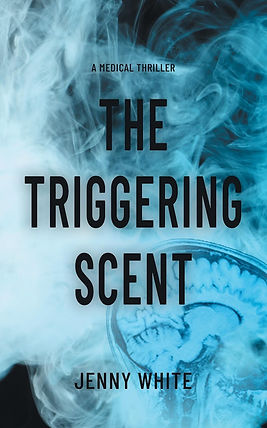
Jenny White writes medical thrillers shaped by real nursing and brain tumor recovery.
Table of Contents
Comfort Gifts for Treatment and Recovery Days
The right gifts for brain tumor patients solve a problem before the patient has to ask for help.

Cold treatment rooms, long infusion chairs, and fatigue that makes a simple blanket feel like a project are daily realities.
Everyday Health's 2026 cancer holiday gift guide identifies 10 gift categories built around convenience, comfort, and joy, and that framework holds up well for brain tumor patients specifically.
Wearable Blanket Hoodie
A wearable blanket hoodie keeps the arms free while trapping heat, which matters for anyone who is cold from treatment or too tired to keep adjusting a loose blanket. Look for a fleece-lined interior and machine-washable fabric. The one drawback: these are bulky to store in a hospital bag, so check whether the patient is mostly at home or in and out of appointments.
Embroidered Washed Cotton Cap
Hair loss and scalp sensitivity make ordinary hats uncomfortable. A washed cotton cap is breathable, adjustable, and gentle on skin that has had radiation.
40 oz Insulated Tumbler
Hydration is one of the few things a patient can control during treatment, and a large insulated tumbler cuts down on refills. For anyone recovering from surgery, our guide on how to prevent falls during brain surgery recovery covers the safety basics worth reading before you buy.
Care Package Ideas for Brain Tumor Patients That Cover the Basics
Care package ideas for brain tumor patients should target the side effects nobody warns you about: nausea, dry mouth, cracked lips, and reactive skin.
The brain-tumor-specific layer is accessibility: choose unscented, easy-open, single-use formats so the patient does not have to fight packaging or ask for help.
Peppermint Candies and Anti-Nausea Wristbands
Peppermint candies give patients a non-medicinal option when nausea hits between doses, and anti-nausea wristbands are another comfort tool to consider. Neither replaces prescribed medication, so present these as comfort tools, not treatment. Strong mint or menthol can aggravate nausea or sensory sensitivity, so offer a mild flavor in a sealed, resealable bag.
Lip Balm, Lotion, and Dry Mouth Relief
Treatment dries out skin and mouth faster than most people expect, so unscented lip balm, fragrance-free lotion, and dry mouth lozenges or spray belong in every care package. Skip scented products entirely, since sensory sensitivity is common and a strong fragrance can turn a gift into a problem. Choose pump bottles and flip-top tubes over screw caps, and favor products labeled fragrance-free rather than merely "unscented."
Easy-Open, Single-Serve Snacks
Long appointments and low appetite make small, shelf-stable snacks useful, but only if they open without scissors or a strong grip. Individually wrapped crackers, applesauce pouches, and soft granola bars in a resealable bag work better than a large box that requires portioning. Very salty, spicy, or heavily seasoned snacks can worsen dry mouth and nausea, so keep the assortment small and mild.
A Small Comfort Kit for Sensitivity
Brain tumor treatment often brings light and sound sensitivity alongside fatigue. A sleep mask, soft foam earplugs, and a lightweight scarf or cap pack flat into a hospital bag, helping in shared rooms, during scans, and on days when the patient needs rest but the household is busy. Keep the kit small and labeled so a caregiver can find it quickly.
What to Leave Out
Skip anything that requires assembly, strong fragrance, complicated instructions, or cognitive pressure. Scented candles, diffusers, and potpourri are common fillers but poor choices for patients with sensory sensitivity or nausea, Ask the caregiver what the patient is tolerating this week; a care package built around current symptoms will always outperform a generic one.
Food and Meal Delivery Gifts That Take Pressure Off
Meal delivery is the most underrated gift on this list. Patients and caregivers consistently say logistical help beats physical objects, and food is the most concrete version of that help.
Uber Eats Gift Card
An Uber Eats gift card gives the patient and their family a night off cooking without asking anyone for a favor.
Entertainment and Low-Effort Distraction
Entertainment gifts fail when they demand too much. The right pick matches the patient's current energy and focus level, not their pre-diagnosis hobbies.
Portable Bluetooth Mini Speaker
A mini speaker lets a patient listen to audiobooks, music, or podcasts without holding a phone or wearing headphones that press on a sensitive scalp. Bluetooth pairing is simple enough for a tired person to manage, and the battery lasts through a long infusion session.
Books and Magazines for Hospital Stays
Reading is complicated for brain tumor patients. research on medical decision-making capacity in brain tumor patients shows cognitive impairment is common, which means dense novels and complex puzzles may frustrate rather than distract. If the patient wants fiction that reflects their experience, our list of brain injury novels for recovery and resilience includes memoirs and stories that handle the subject with care. For readers who want focus tips, how to improve focus after brain surgery is a useful starting point.
Relaxation and Stress Relief Gifts
Stress relief gifts work best when they are simple, portable, and require no setup. Two items stand out for brain tumor patients.
Baoding Meditation Balls
Baoding balls combine gentle hand exercise with a soothing chime. They require dexterity, so they suit patients working on mobility, not those with significant hand weakness.
Daily Meditation Cards
A daily meditation card deck can give patients one small, low-pressure ritual per day, though it appeals most to people who like structure. If scan-related anxiety is part of the picture, our guide on coping with scanxiety after a brain tumor pairs well with this gift.
How to Support a Friend with a Brain Tumor Beyond the Gift
Support beyond the gift means showing up in ways that cost the patient nothing. A friend who drives to an appointment, walks the dog, or sits quietly in the waiting room is giving something a gift card cannot.
The 14 survivors quoted in MD Anderson Cancer Center's patient-informed gift guide emphasized logistical support and presence over objects. Offer specific help with a date attached: "I can bring dinner Thursday" beats "let me know if you need anything." For friends who want to go further, our step-by-step guide on returning to work after a brain tumor covers accommodations and cognitive strategies that a patient may need help navigating.
What to Avoid and How to Ask About Preferences
Some well-meaning gifts create work or risk. Skip anything that requires assembly, strong fragrance, complicated instructions, or cognitive pressure. Activity books and puzzles are a common choice, but the Brain Tumor Foundation's 2026 guidance notes they may not suit patients with cognitive or visual impairment.
Choosing a Gift That Matches the Treatment Stage
The same gift fits differently at each stage. Match the item to where the patient is right now, not where they were at diagnosis; a gift that lands at the right stage gets used, while one that arrives two months early sits in a closet. When unsure, ask the caregiver, who usually knows the current routine better than anyone.
Treatment Stage | Best Gift Type | Why It Fits | Example |
Just diagnosed | Low-effort comfort | Energy and attention are stretched thin | Wearable blanket hoodie |
Active treatment | Symptom relief | Managing side effects day to day | Peppermint candies, lip balm |
Hospital stays | Portable distraction | Long hours, limited mobility | Mini speaker, magazines |
Early recovery | Safety and function | Balance and fatigue are concerns | Non-slip slippers, shower chair |
Caregiver support | Logistical help | The family is carrying the load | Meal delivery gift card |
Surgery Recovery: Safety and Function First
In the weeks after surgery, balance problems, fatigue, and limited bending or lifting make some gifts genuinely risky. Non-slip slippers with a closed heel, a shower chair, a long-handled grabber, and a bedside caddy reduce the chance of a fall without asking the patient to learn anything new.
Radiation and Chemotherapy: Symptom Relief and Sensory Care
During active treatment, side effects shift week to week. Radiation can make skin tender and hair loss likely, so soft cotton caps, fragrance-free lotion, and gentle scalp care beat elaborate gifts. Chemotherapy often brings nausea, dry mouth, and fatigue, making small snacks, lip balm, and a large insulated tumbler practical. Light and sound sensitivity are common, so a sleep mask and earplugs can matter more than entertainment.
Hospital Stays: Portable, Quiet, and Easy to Use
Hospital rooms are shared, bright, and noisy, and mobility is limited. A mini speaker with headphones, short magazines, a long charging cable, and a small comfort kit pack into a bedside bag and require little setup. Avoid gifts that need Wi-Fi configuration, multiple accounts, or instructions the patient must follow while tired.
Life at Home: Support That Reduces Planning Work
At home, the most useful gifts remove a task rather than add one. Meal delivery gift cards, grocery or errand help, rides to appointments, and cleaning services reduce the caregiver's load as much as the patient's. Offer with a specific date and task attached, such as "I can bring dinner Thursday," rather than an open-ended offer that requires the family to plan.
Budget and Delivery Checks
Set a budget before you shop and organize ideas by price band: under $25.00 CAD for consumables and small comfort items, $25.00 to $75.00 CAD for blankets, speakers, and care kits, and above that for equipment or services. Check delivery windows, since hospital mailrooms can be slow and porch theft is a risk for unattended packages.
How to Ask Without Adding Pressure
Ask the caregiver about current symptoms, restrictions, and what the household already has before buying equipment, and avoid framing the question as a request for a wish list the patient must manage.
Frequently Asked Questions
What are the best comfort gifts for someone recovering from brain surgery?
Focus on warmth, softness, and easy use. A wearable blanket hoodie, a breathable cotton cap for scalp sensitivity, and a large insulated tumbler for hydration are practical choices. Non-slip slippers and extra-long charging cables also help with balance and hospital stays. Keep fabrics soft and closures simple, since fine motor control and fatigue can make buttons or zippers frustrating.
How can I support a friend recently diagnosed with a brain tumor?
Offer specific, low-effort help rather than open-ended offers. A meal delivery gift card, a home cleaning service, or driving them to appointments removes a real task. Pair practical support with presence: regular short visits, texts, and companionship matter more than grand gestures. Ask what they need this week, not what they need in general.
What are practical gift ideas for brain tumor patients in the hospital?
Hospital-friendly gifts are compact, quiet, and easy to use in bed. A portable Bluetooth speaker for audiobooks, meditation cards, peppermint candies for nausea, and a long charging cable all work well. Avoid anything requiring concentration or physical effort. Check the hospital's rules on food and scented items first.
Are there specific items that help with brain tumor recovery?
Yes, and they tend to be symptom-specific. Anti-nausea wristbands and peppermint candies are comfort options for treatment-related queasiness. Baoding meditation balls are a gentle hand-exercise option. Soft head coverings are a comfortable choice for a sensitive scalp. A 40 oz tumbler encourages hydration through the day. Match the item to the symptom you know about, and confirm with a caregiver before buying anything medical in nature.
What should I avoid giving to someone with a brain tumor?
Skip complex puzzle books and demanding activity kits if cognitive recovery or vision is affected, since they can feel like failure rather than fun. Avoid strong scents during treatment, and check food restrictions before sending treats. Steer clear of anything that implies a cure or pushes alternative medicine. When unsure, ask the caregiver or the patient directly what would actually help.


Comments