



Best Books About Hospital Life: Medical Trauma & Recovery
Updated: Sep 16
Table of Contents
Why Hospital Stories Matter: Medical Trauma and Resilience
Medical Fiction vs. Medical Trauma: Understanding the Distinction
Best Medical Memoirs and Nursing Perspectives
Books About Nursing Experiences: Frontline Stories
Realistic Medical Fiction Books for Authentic Hospital Drama
Trigger Warnings and Content Sensitivity in Medical Literature
How to Choose Hospital Books That Resonate With Your Experience
Conclusion
Last Updated: August 13, 2026
Why Hospital Stories Matter: Medical Trauma and Resilience
Hospital narratives have long captivated readers because they explore the intersection of vulnerability and human strength. Books about hospital life go far beyond clinical accuracy, they examine how people navigate institutional systems, confront mortality, and rebuild themselves after trauma. The appeal lies in authenticity: readers want stories that honor the complexity of medical experiences, not sanitized versions that minimize the emotional weight of illness or recovery.
What makes these narratives compelling is their ability to validate lived experience. For survivors of serious illness, trauma, or hospitalization, finding a character who reflects their own journey creates a profound sense of recognition. For healthcare workers, reading fiction that captures the ethical dilemmas and emotional toll of clinical practice can feel like permission to acknowledge what they've witnessed. This is why the distinction between entertainment and healing matters when choosing what to read.
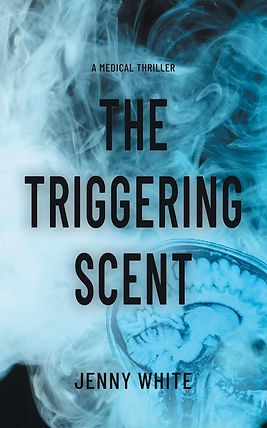
Jenny White's work exemplifies this intersection. As a retired registered nurse and brain tumor survivor, White brings dual authority to her medical thrillers. Her debut novel, The Triggering Scent, launches the Abbey Roberts RN series with a protagonist who embodies both clinical competence and emotional vulnerability, a rare combination in medical fiction that resonates with readers seeking authenticity in hospital drama.
Medical Fiction vs. Medical Trauma: Understanding the Distinction
Medical fiction typically prioritizes plot tension and mystery within a healthcare setting, often featuring doctors or medical professionals as protagonists solving cases. Medical trauma literature, by contrast, centers the patient's or survivor's emotional and psychological journey through illness, hospitalization, or recovery. The distinction matters because it changes what the reader experiences and what they're seeking when they pick up the book.
Medical thrillers, think fast-paced narratives about hospital conspiracies or diagnostic mysteries, can entertain without necessarily engaging with the deeper psychological impact of being ill or hospitalized. Medical trauma narratives, meanwhile, slow down to examine how illness reshapes identity, relationships, and one's sense of safety in the world. Both have value, but they serve different needs.
The best hospital books often blend both elements. They maintain narrative momentum while honoring the internal experience of their characters. This balance is what separates superficial medical drama from literature that genuinely reflects what survivors and healthcare workers know to be true about institutional medicine. When a book captures both the procedural reality of a hospital and the existential weight of being a patient within it, readers feel seen.
Best Medical Memoirs and Nursing Perspectives
Medical memoirs offer something fiction cannot: the author's actual lived experience, unfiltered by narrative convention. These accounts provide profound insight into what hospitalization, diagnosis, and recovery genuinely feel like from the inside.
Bloodletting & Miraculous Cures by Vincent Lam stands out as a landmark Canadian work. Structured as interconnected short stories, it follows characters through medical school, residency, and the SARS outbreak in Toronto. Lam captures the emotional reality of medical training, the exhaustion, the moral weight of patient care, the gap between clinical knowledge and human compassion. The book won the Scotiabank Giller Prize in 2006, a recognition of its literary depth and authenticity.
For readers seeking direct accounts from nurses, Front Line Nursing Stories: Making a Difference presents an anthology of real-life narratives spanning from the 1940s to the COVID-19 pandemic. Authored by Marian Facciolo, a registered nurse, the collection covers diverse settings, hospital wards, community nursing, palliative care, critical care. What emerges across these stories is a portrait of nursing as both deeply rewarding and emotionally demanding work. The book validates the experiences of healthcare workers while offering general readers insight into what unfolds behind hospital doors.

Critical Moments: Doctor and Nurse Narratives and Reflections provides another layer of perspective. This collection, compiled by Jeanine Young-Mason, brings together accounts from both doctors and nurses, creating a multifaceted view of medical practice. The narratives explore moments of profound difficulty, ethical tension, and unexpected humanity within healthcare settings. For those working in medicine or recovering from medical experiences, these reflections can normalize the emotional complexity of the profession and the patient experience.
Pro Tip Medical memoirs written by healthcare workers carry particular weight because the author understands both the clinical and emotional dimensions of hospital life. They can explain not just what happened, but why certain decisions were made and what they cost the people involved.
Books About Nursing Experiences: Frontline Stories
Nursing literature occupies a distinct space in hospital narratives. Unlike physician-centered medical fiction, nursing stories center the perspective of those who spend the most time at the bedside, managing the physical and emotional needs of patients across long shifts. These accounts reveal the ethical complexities, the small moments of connection, and the systemic pressures that shape healthcare delivery.
The Wisdom of Nurses: Stories of Grit from the Front Lines, co-authored by Amie Archibald-Varley and Sara Fung, both registered nurses and hosts of The Gritty Nurse podcast, blends heartbreak and humor in equal measure. The stories illuminate what it means to practice nursing in contemporary healthcare: the joy of making a difference, the frustration of broken systems, the weight of witnessing suffering. This book advocates for listening to nurses as experts in their own experience, a perspective often absent from mainstream healthcare narratives.
What makes nursing-centered stories essential is their refusal to sanitize the profession. These accounts acknowledge the physical and emotional labor involved, the moral injury of being unable to provide the care patients need due to systemic constraints, and the resilience required to return to work after witnessing trauma. For nurses seeking validation, these narratives confirm that what they experience is real and significant. For general readers, they offer a window into a world that shapes public health but remains largely invisible.
Key Takeaway Nursing literature centers the perspective of those who spend the most time with patients. These stories reveal the human reality of healthcare work, not as portrayed in medical dramas, but as lived by the people delivering care.
Realistic Medical Fiction Books for Authentic Hospital Drama
Authentic medical fiction requires more than accurate terminology; it demands understanding of how hospitals actually function, how medical decisions get made under uncertainty, and how clinical environments affect human behavior. The best medical fiction authors either have healthcare backgrounds or conduct meticulous research to avoid the common pitfalls of Hollywood medicine.
Hello I Want to Die Please Fix Me by Anna Mehler Paperny bridges memoir and investigation. Mehler, a Canadian journalist who has struggled with depression, examines how the illness is caused, treated, and discussed. The book investigates failures within Canada's health and justice systems, offering both personal narrative and critical analysis. What distinguishes this work is its refusal to present mental illness as a neat story with a tidy resolution. Instead, it honors the complexity of living with depression while navigating institutional healthcare.
The Birth House by Ami McKay offers historical medical fiction set in early 20th-century Nova Scotia. The novel follows a woman learning midwifery while confronting the clash between traditional healing practices and modern medicine. What makes this narrative powerful is its exploration of how medical authority gets constructed and who gets to define legitimate healthcare. The protagonist's journey reflects broader tensions about women's knowledge, bodily autonomy, and the professionalization of medicine.
Jenny White's The Triggering Scent represents a contemporary addition to authentic medical fiction. Written by a retired registered nurse and brain tumor survivor, the novel follows Abbey Roberts, an RN navigating the ethical dilemmas and high-stakes decisions of hospital work. What readers consistently note is the accuracy of clinical detail combined with genuine emotional depth. The book doesn't treat the hospital as mere backdrop; it treats the institution itself as a character that shapes outcomes. This level of authenticity, where medical procedures are rendered correctly and ethical tensions feel real, is what separates credible medical fiction from entertainment that merely borrows healthcare aesthetics.
Watch Out Medical fiction that relies on inaccurate [clinical details](/post/how-to-portray-icu-trauma-accurately-in-fiction) or misrepresents how hospitals function can be jarring for healthcare workers and survivors. Authenticity matters not just for credibility but for the reading experience itself.
Trigger Warnings and Content Sensitivity in Medical Literature
Reading about medical trauma, hospitalization, or illness can be triggering for survivors. A book that explores PTSD, medical gaslighting, or institutional failure might reactivate trauma responses in readers who've experienced similar situations. This reality demands that readers approach hospital literature with intentionality and that authors and publishers provide adequate content warnings.
Many medical memoirs and trauma narratives contain descriptions of medical procedures, pain, loss of bodily autonomy, or systemic failure that may be distressing. Readers who've experienced medical trauma, chronic illness, or hospitalization deserve to know what they're entering before they begin. Responsible publishers increasingly include content notes that specify trigger areas, whether the book contains graphic descriptions of medical procedures, discussions of mental health crises, depictions of institutional abuse, or other potentially activating content.
The presence of trigger warnings doesn't diminish a book's value; it honors readers' agency and their right to prepare themselves emotionally. Some readers will choose to engage with challenging material because they find it healing or validating. Others may need to approach the same book differently, reading it with support, taking breaks, or returning to it at a later time. The warning itself is an act of care.
When selecting hospital literature, particularly if you're navigating recovery from medical trauma, consider what aspects of the medical experience feel safe to explore through reading. A book that unflinchingly examines medical gaslighting might feel cathartic for one reader and retraumatizing for another. Neither response is wrong; they're simply different starting points.
How to Choose Hospital Books That Resonate With Your Experience
Selecting hospital literature that serves your needs, rather than retraumatizing you or leaving you unsatisfied, requires clarity about what you're seeking from the reading experience. Are you looking for validation of your own experience? Do you want to understand what a healthcare worker experiences? Are you seeking a narrative of recovery and resilience? Or do you simply want a compelling story set in a hospital?
Start by identifying which aspects of hospital life or medical experience draw you. If you're a cancer survivor, a book centered on the diagnostic odyssey and treatment experience may resonate differently than a nursing memoir focused on ICU work. If you work in healthcare, you might seek fiction that captures the ethical dilemmas and emotional labor of clinical practice. If you're researching institutional trauma, narratives that examine systemic failure and patient advocacy may be most valuable.

Consider the narrative perspective. First-person accounts (memoirs, personal essays) create intimacy and immediacy but are limited to one person's experience. Third-person fiction can explore multiple perspectives and create psychological distance that some readers need when engaging with difficult material. Neither is superior; they serve different purposes.
Pay attention to how the book handles recovery and resilience. Some hospital narratives focus heavily on the trauma itself, with recovery presented as inevitable or simplified. Others examine the messy, nonlinear nature of healing after medical experiences. If you're actively recovering, you might need the latter, a narrative that acknowledges setbacks and doesn't promise that reading will "fix" anything, but rather validates your experience.
Read reviews from readers who share your experience. If you're a healthcare worker, seek reviews from other nurses or doctors. If you're a survivor of a specific illness, look for reviews from others who've navigated that diagnosis. These peer perspectives often reveal whether a book's portrayal of medical experience feels authentic or whether it relies on stereotypes and oversimplifications.
Best For Readers seeking validation of their own medical experience benefit most from memoirs and first-person accounts written by people who've lived through similar situations. Healthcare workers often prefer fiction that captures the clinical and ethical realities of their profession.
Finally, give yourself permission to abandon a book that isn't serving you. Hospital literature can be emotionally demanding. If a particular narrative is reactivating trauma or feels exploitative rather than honest, setting it aside is the right choice. There are enough excellent books about hospital life that you don't need to force yourself through one that doesn't resonate.
Finding books about hospital life that genuinely reflect the complexity of medical experience, the trauma, the resilience, the ethical tensions, the small moments of human connection, requires knowing what you're seeking and trusting your instincts about what will serve your healing or understanding. [Jenny White's The Triggering Scent(/product-page/the-triggering-scent-1) | jennywhite.ca] offers readers exactly this: authentic hospital drama written by someone who understands both the clinical realities and the emotional weight of medical work. Whether you're a healthcare professional seeking validation, a survivor exploring your own journey through narrative, or simply a reader hungry for compelling stories rooted in genuine experience, hospital literature offers something that commercial thrillers often miss, the truth of what it means to be vulnerable within institutional systems and to emerge transformed.
Frequently Asked Questions
What makes books about hospital life different from medical thrillers?
Medical thrillers often prioritize suspense and plot twists, while books about hospital life focus on authentic patient experiences, clinical realities, and the emotional weight of medical settings. True hospital narratives explore institutional trauma, the physician-patient relationship, and psychological recovery with depth and nuance. They may include medical gaslighting, systemic failures, and the long-term impact of hospitalization, elements that create genuine resonance for healthcare workers and survivors rather than manufactured drama.
How can I find books about hospital life that won't be triggering?
Look for books that explicitly address trauma-informed care and resilience rather than trauma exploitation. Check reader reviews and publisher descriptions for content warnings about PTSD, medical malpractice, or institutional abuse. Memoirs by healthcare professionals or survivors often handle difficult material with respect and agency. Consider starting with narratives that balance hardship with recovery arcs, stories where characters move through crisis toward healing rather than remaining trapped in suffering.
Are there books about hospital life written by nurses that feel authentic?
Yes. Books written by registered nurses bring clinical accuracy and insider knowledge that fiction alone cannot replicate. Nursing memoirs and anthologies capture the emotional reality of frontline healthcare work, including the ethical dilemmas, compassion fatigue, and moments of profound human connection. These accounts often resonate deeply with both healthcare professionals seeking validation and patients wanting to understand the nursing perspective during their own hospitalizations.
What should I look for in realistic medical fiction about hospitals?
Seek authors with healthcare backgrounds who ground their narratives in accurate medical protocols, hospital hierarchies, and clinical decision-making. Realistic medical fiction should portray the complexity of diagnostic odysseys, the tension between patient advocacy and institutional constraints, and the emotional toll of acute care settings. Look for books that explore the intersection of science and human emotion, where medical accuracy serves character development and moral questions rather than existing as mere backdrop.
Buy now
This article was written using GrandRanker


Comments