



Books About Surviving Brain Tumors: 10 Essential Reads
- jdfw3494
- Jul 15
- 9 min read
Table of Contents
Why Books About Surviving Brain Tumors Matter
How We Selected These Books
Brain Tumor Survivor Stories: Personal Memoirs and Accounts It's All In My Head: How to Survive a Brain Tumour and Find Peace of Mind Two Steps Forward: Embracing Life with a Brain Tumor Starting at the Finish Line: My Cancer Partner, Perspective and Preparation All in My Head: A Memoir of Life, Love, and Patient Power
It's All In My Head: How to Survive a Brain Tumour and Find Peace of Mind
Two Steps Forward: Embracing Life with a Brain Tumor
Starting at the Finish Line: My Cancer Partner, Perspective and Preparation
All in My Head: A Memoir of Life, Love, and Patient Power
Books for Caregivers of Brain Tumor Patients A Heart That Works: Understanding Caregiver Grief and Loss
A Heart That Works: Understanding Caregiver Grief and Loss
Coping with a Brain Tumor Diagnosis: Medical Guides and Practical Handbooks Navigating Life with a Brain Tumor Glioblastoma - A Guide for Patients and Loved Ones Brain Tumor Guide For The Newly Diagnosed
Navigating Life with a Brain Tumor
Glioblastoma - A Guide for Patients and Loved Ones
Brain Tumor Guide For The Newly Diagnosed
Glioblastoma Survival Stories: High-Grade Tumor Narratives I Quit: Facing Cancer with Faith, Family and Friends
I Quit: Facing Cancer with Faith, Family and Friends
Mental Health and Emotional Resilience: Beyond Medical Diagnosis
Audiobook and Digital Accessibility for Brain Tumor Readers
Books About Surviving Brain Tumors: 10 Essential Reads
Last Updated: July 16, 2026
When facing a brain tumor diagnosis, finding the right resources can feel overwhelming. Books about surviving brain tumors offer emotional support, practical strategies, and real stories from people who've walked this path. Whether you're newly diagnosed, supporting a loved one, or seeking long-term survival strategies, these ten essential reads address the physical, emotional, and psychological dimensions of living with a brain tumor.
Why Books About Surviving Brain Tumors Matter
Reading personal accounts and practical guides transforms how patients and caregivers approach their diagnosis. Research from the National Brain Tumor Society shows that peer support and shared experiences significantly improve emotional outcomes for newly diagnosed patients. Books provide that peer connection in a format you can revisit whenever you need reassurance or guidance.
Medical guides demystify treatment options, symptom management, and rehabilitation strategies. Memoirs normalize the psychological journey, fear, grief, hope, and unexpected moments of joy. For caregivers, reading about others' experiences reduces isolation and provides concrete strategies for supporting loved ones through treatment and recovery.
Pro Tip Start with a memoir if you're seeking emotional validation and connection. Choose a medical guide if you need clear explanations of diagnosis, treatment, and symptom management. Many readers benefit from reading both.
How We Selected These Books
Our selection process prioritized authenticity, practical value, and emotional resonance. We included memoirs written by survivors themselves and medical guides authored by experts or experienced patients that provide actionable information without overwhelming jargon. Each book addresses at least one core area: understanding diagnosis, navigating treatment decisions, managing symptoms, coping with emotional and cognitive changes, rebuilding life after treatment, or supporting loved ones.
Book Title | Author/Source | Best For | Format |
It's All In My Head | Jo Barlow | Benign tumor patients seeking emotional support | Memoir |
Two Steps Forward | Claire | Living with brain tumor challenges | Personal account |
Starting at the Finish Line | Matt Newman | Families navigating astrocytoma diagnosis | Memoir |
All in My Head | Jessica Morris | Patient advocacy and empowerment | Memoir |
Navigating Life with a Brain Tumor | Taylor & experts | Newly diagnosed patients and caregivers | Medical guide |
Glioblastoma - A Guide for Patients and Loved Ones | Expert authors | High-grade tumor patients and families | Practical handbook |
Brain Tumor Guide For The Newly Diagnosed | Musella Foundation | Immediate post-diagnosis support | Free resource |
I Quit: Facing Cancer with Faith, Family and Friends | Kristina Kotlus | Faith-based perspective on survival | Inspirational memoir |
A Heart That Works | Rob Delaney | Parents grieving loss of child to brain tumor | Grief narrative |
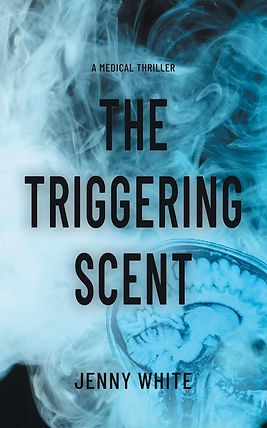
Jenny White | Readers seeking authentic medical drama with survivor perspective | Medical thriller |
Brain Tumor Survivor Stories: Personal Memoirs and Accounts
Personal memoirs anchor the survivor experience in real voices and specific moments. These narratives show what daily life actually looks like, the frustrations of cognitive changes, small victories of recovery, and how relationships shift after diagnosis.

It's All In My Head: How to Survive a Brain Tumour and Find Peace of Mind
Jo Barlow's account of her benign blood vessel tumor (Hemangioblastoma) in her cerebellum offers comfort to patients navigating urgent surgery and recovery. She explores emotional struggles, anxiety, confusion, unusual physical sensations, that medical textbooks rarely address. Her focus on finding peace of mind after diagnosis resonates with readers seeking emotional resolution alongside physical healing.
The memoir shines when describing the immediate post-surgery period: disorientation, gradual return to normalcy, and unexpected grief that accompanies surviving. Barlow balances honesty with hope, making the book valuable for newly diagnosed patients.
Key Takeaway Benign tumors carry their own psychological weight. Barlow's memoir validates that even "good news" diagnoses involve real trauma and require genuine recovery time.
Two Steps Forward: Embracing Life with a Brain Tumor
Claire's candid account details living with a brain tumor, surgery, and recovery while highlighting both challenges and triumphs. The title reflects the reality of survivorship: progress isn't linear. Her willingness to discuss impact on loved ones provides insight into how brain tumors ripple through entire families.
Claire's straightforward approach to managing work responsibilities, maintaining relationships, and preserving identity during treatment helps readers feel less alone in their fears and frustrations.
Starting at the Finish Line: My Cancer Partner, Perspective and Preparation
Matt Newman's memoir focuses on his grade three astrocytoma diagnosis at 39, emphasizing acceptance and gratitude through family support. His father-in-law, also a cancer survivor, provides a unique dual perspective on navigating diagnosis. Newman's title captures a profound insight: diagnosis forces confrontation with mortality, yet paradoxically opens new appreciation for the present moment.
All in My Head: A Memoir of Life, Love, and Patient Power
Jessica Morris, founder of OurBrainBank, shares her personal experience while emphasizing patient empowerment and advocacy. Her memoir connects personal story to systemic change, showing how individual patients can influence their own care and contribute to research efforts. For readers interested in moving from passive patient to active advocate, Morris's perspective proves transformative.
Books for Caregivers of Brain Tumor Patients
Caregivers face a distinct psychological burden, navigating their own grief and exhaustion while supporting someone through treatment. Caregiver-focused books validate this experience and provide concrete strategies for self-care.
A Heart That Works: Understanding Caregiver Grief and Loss
Rob Delaney's memoir chronicles the loss of his son to a brain tumor, offering a raw, honest account of profound grief. While not a how-to guide, the book provides solace for parents and caregivers facing similar loss. Delaney's willingness to discuss the depths of grief without offering false comfort creates space for readers to experience their own loss authentically.
The memoir's value lies in documenting how life continues after devastating loss, how love persists, and how meaning emerges from ongoing connection to the person lost.
Watch Out This book contains deeply emotional content about child loss. Readers grieving recent loss should approach with support systems in place. It is unsuitable for newly diagnosed patients seeking hope, but invaluable for those processing grief.
Coping with a Brain Tumor Diagnosis: Medical Guides and Practical Handbooks
Medical guides provide the information foundation patients and caregivers need to navigate treatment decisions. They translate complex neurology and oncology into accessible language while maintaining accuracy, addressing practical questions: What type of tumor is this? What are my treatment options? What side effects should I expect?
Navigating Life with a Brain Tumor
This comprehensive guide covers brain tumor basics, different types, management strategies, symptom management, treatments, and coping approaches. Authors provide clear, accessible information without oversimplifying. Real-life anecdotes ground medical information in lived experience. The guide addresses both primary and metastatic brain tumors, making it relevant for a broad patient population.
Best For Individuals with primary or metastatic brain tumors and their caregivers seeking comprehensive, compassionate guidance from diagnosis through ongoing management.
Glioblastoma - A Guide for Patients and Loved Ones
This non-technical guide specifically addresses high-grade brain tumors like glioblastoma and anaplastic astrocytoma. It covers diagnosis, physical impacts, mental and emotional effects, treatment options, and coping strategies. Personal testimonies from patients and loved ones provide context that pure medical information cannot.
The guide's strength lies in addressing the full spectrum of glioblastoma's impact while providing practical strategies for maintaining quality of life during and after treatment.
Brain Tumor Guide For The Newly Diagnosed
Available free online or as a printed copy from the Musella Foundation for Brain Tumor Research & Information, this guide provides foundational information specifically designed for those newly diagnosed. The free accessibility makes it invaluable for patients in crisis who need immediate information without financial barriers.
The guide covers essential topics: understanding brain tumor types, initial diagnostic steps, treatment overview, and guidance on finding support.
Glioblastoma Survival Stories: High-Grade Tumor Narratives
High-grade glioblastomas carry different prognoses and treatment trajectories than lower-grade tumors. Survival stories specific to glioblastoma provide hope and practical insight for patients facing this aggressive diagnosis.
I Quit: Facing Cancer with Faith, Family and Friends
Kristina Kotlus's memoir redefines "quitting" as choosing a fresh start rather than surrendering. Her account draws from two brain cancer diagnoses, offering perspective on facing recurrence and ongoing uncertainty. The emphasis on positivity, faith, and humor provides an inspirational perspective without dismissing genuine difficulty.
Mental Health and Emotional Resilience: Beyond Medical Diagnosis
Brain tumor diagnosis triggers profound psychological impact beyond physical symptoms. Cognitive changes, identity shifts, fear of recurrence, and anxiety about the future require attention equal to medical management. Emotional resilience means developing capacity to hold multiple truths simultaneously: hope and fear, gratitude and grief, determination and vulnerability.
Many survivors report that cognitive changes, difficulty concentrating, memory problems, processing speed changes, prove more disruptive to quality of life than physical symptoms, yet receive less attention in standard medical settings. Resources addressing cognitive function and adaptation strategies fill a critical gap.
The journey of rebuilding identity after brain tumor diagnosis deserves explicit attention. Patients often struggle with who they are post-diagnosis. Books exploring these identity questions help readers construct meaningful narratives that honor both their pre- and post-diagnosis selves.
Audiobook and Digital Accessibility for Brain Tumor Readers
Cognitive changes and fatigue often make traditional reading difficult for brain tumor patients. Audiobooks provide accessibility for those experiencing concentration difficulties, vision changes, or exhaustion that makes holding a physical book overwhelming.
Many memoirs and guides are available in audiobook format. Narrated versions add emotional depth; hearing a survivor's story in their own voice creates different resonance than silent reading. For caregivers managing multiple responsibilities, audiobooks allow engagement during commutes or household tasks.
Digital formats offer additional accessibility features: adjustable text size for vision changes, searchable text for quick reference, and easier note-taking. Books written with clear language, logical organization, and scannable structure serve readers with cognitive changes better than dense prose. Guides with tables of contents, indexes, and section summaries allow patients to locate specific information without reading sequentially.
Books about surviving brain tumors serve as bridges between isolation and community, between confusion and understanding. Whether you're seeking emotional validation through memoir, practical guidance through medical handbooks, or spiritual perspective through faith-based narratives, these resources meet different needs at different stages of the journey. Start with the format and perspective that resonates most with your current needs, knowing that your reading journey may evolve as your relationship with your diagnosis deepens.
Frequently Asked Questions
What are the best books about surviving brain tumors for newly diagnosed patients?
For newly diagnosed patients, 'Brain Tumor Guide For The Newly Diagnosed' from the Musella Foundation is free and specifically designed for those facing a recent diagnosis. 'Navigating Life with a Brain Tumor' offers accessible information on basics, types, and coping strategies. 'Glioblastoma - A Guide for Patients and Loved Ones' provides non-technical, comprehensive coverage of diagnosis, treatment options, and emotional support. These books balance medical information with practical guidance and reassurance from others' experiences.
Are there memoirs about surviving brain tumors that focus on emotional resilience?
Yes, several brain tumor survivor stories emphasize emotional resilience. 'It's All In My Head' by Jo Barlow explores finding peace of mind after diagnosis and surgery. 'Two Steps Forward' by Claire offers a candid account of life challenges and triumphs. 'All in My Head' by Jessica Morris focuses on patient empowerment and personal strength. 'I Quit' by Kristina Kotlus reframes survival through positivity, faith, and humor. These memoirs show how survivors navigate psychological and emotional impacts alongside physical recovery.
What books help caregivers of brain tumor patients understand their role?
Several books address caregiver needs directly. 'Glioblastoma - A Guide for Patients and Loved Ones' includes perspectives from family members and support strategies. 'Navigating Life with a Brain Tumor' offers guidance for caregivers on symptom management and emotional support. 'Starting at the Finish Line' highlights the importance of family support and includes insights from a fellow cancer survivor. 'A Heart That Works' by Rob Delaney, while focused on profound loss, offers caregivers understanding of grief and the emotional impact of a brain tumor on families.
Which books cover glioblastoma survival stories and high-grade tumor experiences?
For glioblastoma-specific narratives, 'Glioblastoma - A Guide for Patients and Loved Ones' combines medical information with personal testimonies from patients and loved ones dealing with this aggressive tumor. 'Starting at the Finish Line' features a grade three astrocytoma diagnosis with themes applicable to high-grade tumors. 'I Quit' includes relatable anecdotes from brain cancer diagnoses. These resources provide both practical coping strategies and real-world perspectives on managing aggressive brain tumors and their long-term survival implications.
This article was written using GrandRanker


Comments