



Best Books About Nurses Overcoming Trauma: 10 Essential Reads
Table of Contents
Why Books About Nurses Overcoming Trauma Matter
Understanding Trauma and Burnout in Nursing The Hidden Cost of Compassion Fatigue Secondary Trauma in Critical Care Settings
The Hidden Cost of Compassion Fatigue
Secondary Trauma in Critical Care Settings
10 Best Books About Nurses Overcoming Trauma and Building Resilience 1. The Resilient Nurse: A Framework for Inner Strength 2. Nursing Our Healer's Heart: A Science-Based Recovery Guide 3. Trauma Junkie: Real Stories from Emergency Nursing 4. I Wasn't Strong Like This When I Started Out: Collective Narratives 5. The Influence of Psychological Trauma in Nursing: Trauma-Informed Care 6. Critical Care: A New Nurse Faces Death and Resilience 7. The Nurse as Wounded Healer: Transformation Through Trauma 8. Burn Bright, Not Out: Neuroscience-Based Burnout Solutions 9. Nurse Burnout: Overcoming Stress in Nursing 10. The Triggering Scent: Medical Thriller by Retired RN Jenny White
1. The Resilient Nurse: A Framework for Inner Strength
2. Nursing Our Healer's Heart: A Science-Based Recovery Guide
3. Trauma Junkie: Real Stories from Emergency Nursing
4. I Wasn't Strong Like This When I Started Out: Collective Narratives
5. The Influence of Psychological Trauma in Nursing: Trauma-Informed Care
6. Critical Care: A New Nurse Faces Death and Resilience
7. The Nurse as Wounded Healer: Transformation Through Trauma
8. Burn Bright, Not Out: Neuroscience-Based Burnout Solutions
9. Nurse Burnout: Overcoming Stress in Nursing
10. The Triggering Scent: Medical Thriller by Retired RN Jenny White
Self-Care for Nurses Books: Practical Wellness Resources Actionable Exercises and Guided Practices Somatic Awareness and Body-Based Healing
Actionable Exercises and Guided Practices
Somatic Awareness and Body-Based Healing
PTSD in Nurses Books: Therapeutic Approaches and Recovery CBT, EMDR, and Somatic Experiencing in Nursing Literature Finding Professional Support and Peer Groups
CBT, EMDR, and Somatic Experiencing in Nursing Literature
Finding Professional Support and Peer Groups
Systemic Change and Institutional Responsibility in Nursing Literature
How to Choose the Right Book for Your Healing Journey Memoir vs. Clinical Guide: What Serves You Best Matching Books to Your Nursing Specialty and Experience
Memoir vs. Clinical Guide: What Serves You Best
Matching Books to Your Nursing Specialty and Experience
Conclusion: Begin Your Healing with Books About Nurses Overcoming Trauma
Best Books About Nurses Overcoming Trauma: 10 Essential Reads
Last Updated: July 17, 2026
Why Books About Nurses Overcoming Trauma Matter
Nursing demands an emotional toll few professions match. Nurses witness suffering and loss daily while maintaining composure and compassion, often carrying invisible wounds, psychological trauma accumulated through years of high-stakes patient care, workplace violence, and moral distress. Books about nurses overcoming trauma offer pathways to healing that honor both the complexity of nursing and the resilience required to move forward.
Nurses experiencing unprocessed trauma face burnout, compassion fatigue, and PTSD that extends into personal lives. But there's another path: intentional healing through narratives and frameworks designed specifically for nursing professionals. These books normalize the experience, offer evidence-based strategies, and remind nurses they're not alone.
Key Takeaway The most effective books about nurses overcoming trauma combine personal narrative with actionable recovery strategies, grounded in neuroscience and trauma-informed care principles.
Understanding Trauma and Burnout in Nursing
Nursing trauma accumulates gradually, a patient death, a medication error, workplace violence, ethical conflicts, or relentless exposure to human suffering. This cumulative trauma, paired with systemic pressures and inadequate support, creates conditions where burnout and compassion fatigue flourish. Research shows nurses experience secondary trauma at rates comparable to combat veterans and first responders, yet the profession often normalizes suffering as "just part of the job."
The Hidden Cost of Compassion Fatigue
Compassion fatigue differs from burnout. Burnout stems from systemic stress and understaffing; compassion fatigue emerges from emotional labor of caring deeply for suffering patients while managing unprocessed trauma. It manifests as emotional numbness, cynicism, reduced empathy, and a sense that caring no longer matters. Nurses with untreated compassion fatigue make more errors, disengage from patient care, and experience higher rates of depression and substance abuse. Books addressing compassion fatigue teach nurses to recognize signs early and implement recovery strategies before damage becomes irreversible.
Secondary Trauma in Critical Care Settings
Critical care nurses in emergency departments, ICUs, and trauma centers face particularly intense exposure to secondary trauma. Secondary trauma occurs when exposure to others' trauma creates trauma symptoms in the witness. Over months and years, cumulative weight reshapes the nervous system, producing hypervigilance, intrusive thoughts, emotional reactivity, and avoidance, classic PTSD symptoms triggered by witnessing rather than direct experience.
Watch Out Ignoring secondary trauma in critical care settings leads to higher turnover, increased medical errors, and deterioration of mental health. Early intervention through education and support systems prevents these cascading consequences.
10 Best Books About Nurses Overcoming Trauma and Building Resilience

1. The Resilient Nurse: A Framework for Inner Strength
This book uses personal stories and six pillars of resilience, connection, competence, contribution, creativity, composure, and character, to help nurses overcome burnout and compassion fatigue. Nurses identify which pillars are strongest and which need reinforcement, then implement targeted strategies grounded in evidence. The book addresses moral distress explicitly, the anguish that emerges when institutional constraints prevent nurses from providing the care they believe patients deserve.
Best for: Nurses at all levels seeking a holistic approach to resilience that addresses both individual recovery and team culture.
2. Nursing Our Healer's Heart: A Science-Based Recovery Guide
This guide offers an actionable recovery framework grounded in neurophysiology and unitary caring, designed specifically for nurses healing from trauma and burnout. The book teaches nurses to understand their nervous system and how trauma dysregulates it. Readers learn to recognize their window of tolerance and implement practices that expand it. The recovery plan includes both individual practices and community-level interventions.
Best for: Nurses experiencing trauma and burnout who want a scientific understanding of their symptoms paired with evidence-based recovery practices.
3. Trauma Junkie: Real Stories from Emergency Nursing
Janice Hudson's memoir recounts her experiences as an emergency flight nurse responding to critical calls across the San Francisco Bay Area. The narrative moves between thrilling rescue stories and quiet moments of reckoning with accumulated trauma, exploring how emergency nursing shaped her identity and eventually led to her diagnosis with multiple sclerosis, a physical manifestation of sustained stress.
Best for: Emergency and critical care nurses seeking validation of their experiences and realistic portrayal of how trauma accumulates in high-stakes environments.
4. I Wasn't Strong Like This When I Started Out: Collective Narratives
This collection of essays from veteran and new nurses offers diverse perspectives on becoming and being a nurse. The title reframes strength as developed through experience, failure, and recovery. Stories span multiple specialties and career stages, normalizing struggle and demonstrating multiple pathways through trauma.
Best for: New and experienced nurses seeking relatable stories that validate their struggles and offer diverse examples of resilience and growth.
5. The Influence of Psychological Trauma in Nursing: Trauma-Informed Care
This resource provides a comprehensive primer on psychological trauma, its forms, manifestations, and treatment. It addresses both trauma experienced by nurses and trauma encountered in patients. The book includes practical tools and assessments. Understanding trauma deeply enough to recognize it in yourself and others shifts the nurse's response from judgment to compassion, which supports the nurse's own healing.
Best for: Nurses seeking to understand psychological trauma comprehensively and develop trauma-informed care practices that support both patients and their own healing.
6. Critical Care: A New Nurse Faces Death, Life, and Everything in Between
Theresa Brown's memoir chronicles her transition from English professor to registered nurse in an oncology unit. The writing captures both mundane nursing tasks and profound emotional weight of witnessing death and suffering. Brown explores the identity shift nursing demands and how meaning-making emerges from that experience.
Best for: Nurses, especially those new to critical care or oncology, seeking a deeply honest portrayal of the profession's emotional demands and the transformation that occurs through witnessing human vulnerability.
7. The Nurse as Wounded Healer: From Trauma to Transcendence
This book explores the archetype of the "wounded healer," reframing the nurse's wounds as sources of wisdom and compassion rather than liabilities to overcome. It argues that acknowledging the nurse's own wounds creates more authentic and effective care. The focus on transcendence, the capacity to move beyond trauma without erasing it, provides theoretical frameworks for integrating experience into a larger narrative of meaning and growth.
Best for: Nurses and healthcare professionals interested in the philosophical and psychological dimensions of healing, trauma, and the wounded healer archetype.
8. Burn Bright, Not Out: Neuroscience-Based Burnout Solutions
This book combines neuroscience, behavioral health, and real-life experience to help nurses heal from burnout and reclaim passion for nursing. The key premise: you don't have to wait for your workplace to change to heal yourself. The neuroscience foundation explains how chronic stress rewires the brain but also explains neuroplasticity, the brain's capacity to rewire itself through intentional practice.
Best for: Nurses experiencing burnout who need practical, science-backed solutions to restore well-being and passion for nursing, even within challenging workplace environments.
9. Nurse Burnout: Overcoming Stress in Nursing
Suzanne Waddill-Goad's book addresses the stress-fatigue-burnout connection and provides tools for setting boundaries, renewing personal energy, and combating compassion fatigue. The book explores underlying causes of burnout, moral distress, lack of autonomy, inadequate support, and provides practical strategies including boundary-setting and conflict management.
Best for: Nurses experiencing burnout and compassion fatigue seeking practical strategies for self-care, boundary-setting, and energy renewal.
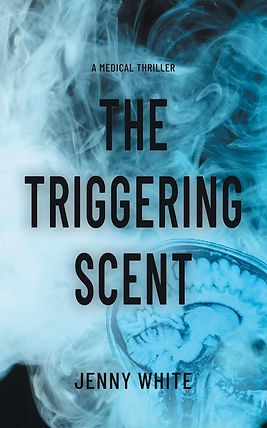
10. The Triggering Scent: Medical Thriller by Retired RN Jenny White
Jenny White's debut novel launches the Abbey Roberts RN series with an immersive medical thriller grounded in authentic nursing experience. As a retired registered nurse and brain tumor survivor, White brings genuine credibility to clinical details and emotional dimensions of hospital work. The novel explores resilience and ethical dilemmas through compelling narrative.
Best for: Readers seeking immersive narratives that explore nursing trauma, resilience, and ethical complexity through compelling storytelling grounded in authentic medical experience.
Pro Tip Many nurses find that reading narratives alongside clinical guides accelerates healing. Stories validate emotional experiences while guides provide frameworks for recovery.
Self-Care for Nurses Books: Practical Wellness Resources
Self-care for nurses must address the specific stressors of the profession, moral distress, compassion fatigue, secondary trauma, and systemic pressures. Books addressing nursing self-care provide frameworks grounded in these realities.
Actionable Exercises and Guided Practices
The most valuable self-care books offer concrete practices nurses can implement daily. These aren't aspirational but realistic, five-minute grounding exercises you can do between patient care. Effective practices include somatic exercises, mindfulness adapted for nursing contexts, journaling prompts for trauma processing, and movement practices that discharge accumulated stress. A book that says "when you notice your shoulders tensing, pause for 30 seconds, place your feet firmly on the ground, and take three slow breaths while naming three things you can see" offers a practice you can actually use.
Somatic Awareness and Body-Based Healing
Trauma lives in the body. When nurses experience secondary trauma, the nervous system registers threat and initiates protective responses, tension, hypervigilance, emotional numbing. Talk therapy alone often fails to address this somatic dimension. Healing requires bringing awareness back to the body and learning to regulate the nervous system. Books on somatic awareness teach nurses to recognize trauma responses in their bodies and learn techniques to discharge stored tension, expand their window of tolerance, and gradually restore the capacity to feel safe.
PTSD in Nurses Books: Therapeutic Approaches and Recovery
Post-traumatic stress disorder in nurses often goes undiagnosed. Symptoms, intrusive thoughts about patient deaths, nightmares, hypervigilance, emotional reactivity, are normalized as "part of nursing." But PTSD is treatable, and books addressing nursing-specific PTSD provide both validation and evidence-based recovery pathways.
CBT, EMDR, and Somatic Experiencing in Nursing Literature
Different therapeutic approaches work for different people. Cognitive-behavioral therapy (CBT) helps reprocess traumatic memories and challenge unhelpful thought patterns. Eye Movement Desensitization and Reprocessing (EMDR) uses bilateral stimulation to help the brain process trauma. Somatic experiencing focuses on completing the nervous system's protective responses. Books addressing nursing trauma explain these approaches and help readers determine which might be most helpful.
Therapeutic Approach | How It Works | Best For |
CBT | Reprocessing thoughts and beliefs about trauma | Nurses with intrusive thoughts or avoidance patterns |
EMDR | Bilateral stimulation during trauma recall | Nurses with vivid trauma memories or nightmares |
Somatic Experiencing | Completing nervous system protective responses | Nurses with body-based trauma symptoms |
Mindfulness-Based Approaches | Present-moment awareness and acceptance | Nurses seeking to reduce reactivity and increase resilience |
Finding Professional Support and Peer Groups
Books about nursing trauma increasingly include resources for finding professional help, therapists specializing in trauma, support groups for nurses, and peer-led recovery programs. Some books include directories of resources or guidance on what to look for in a therapist. The role of peer support cannot be overstated; nurses healing from trauma benefit tremendously from connection with others who understand the profession's unique demands.
Key Takeaway Professional therapy combined with peer support and self-directed practices from books creates the strongest recovery framework for nurses experiencing PTSD.
Systemic Change and Institutional Responsibility in Nursing Literature
While individual recovery matters profoundly, systemic change is equally essential. Books increasingly advocate for institutional responsibility, the idea that healthcare systems must actively prevent and address nurse trauma rather than expecting individual nurses to cope indefinitely. This perspective reframes burnout and trauma not as individual failures but as predictable outcomes of broken systems. Understaffing, inadequate support, moral distress from institutional constraints, and cultures that normalize suffering all contribute to trauma.
How to Choose the Right Book for Your Healing Journey
Consider several factors: your preferred learning style, your specific needs, and where you are in your healing journey.
Memoir vs. Clinical Guide: What Serves You Best
Memoirs offer validation and inspiration, working well early in recovery when you're still processing trauma. Clinical guides offer frameworks and strategies, most helpful when you're ready to take action. The ideal approach often involves both, a memoir early in your healing journey validates your experience and builds hope; a clinical guide later provides frameworks and tools for sustained recovery.
Matching Books to Your Nursing Specialty and Experience
Different specialties face different traumas. Emergency nurses encounter acute, high-intensity trauma. Oncology nurses experience cumulative grief. ICU nurses witness prolonged suffering. Consider books that speak directly to your specialty. Your career stage also matters; new nurses benefit from books normalizing overwhelming feelings, while experienced nurses facing burnout need resources addressing systemic change or meaning-making after sustained trauma.
Factor | Memoir Best | Clinical Guide Best |
Early trauma processing | Yes | No |
Seeking validation | Yes | Sometimes |
Ready for action | No | Yes |
Need specific strategies | No | Yes |
Seeking inspiration | Yes | Sometimes |
Understanding nervous system | No | Yes |
Conclusion: Begin Your Healing with Books About Nurses Overcoming Trauma
Nursing trauma is real, widespread, and treatable. The books outlined above offer multiple pathways to healing through narrative, science, practical strategy, and community. Your journey may begin with a memoir that mirrors your experience, continue with a clinical guide offering frameworks for recovery, and deepen through practices that rewire your nervous system.
The path forward starts with acknowledgment: your suffering is valid, your trauma is real, and healing is possible. These resources offer the validation, frameworks, and hope that sustain recovery. Start with one book that calls to you. Your healing matters.
Frequently Asked Questions
What are the best books about nurses overcoming trauma?
Top recommendations include The Resilient Nurse (six-pillar framework for inner strength), Nursing Our Healer's Heart (science-based recovery guide), Trauma Junkie (emergency nursing memoir), and The Influence of Psychological Trauma in Nursing (trauma-informed care primer). Each addresses different aspects of healing, from practical strategies to personal narratives, allowing you to choose based on your learning style and specific needs.
Are there good nursing burnout books that address trauma specifically?
Yes. Nurse Burnout: Overcoming Stress in Nursing and Burn Bright, Not Out both tackle the stress-fatigue-burnout connection while addressing compassion fatigue and secondary trauma. These nursing burnout books provide actionable strategies to combat emotional exhaustion and help nurses set boundaries, making them ideal for those experiencing both burnout and trauma-related distress.
What self-care for nurses books offer guided practices?
The Resilient Nurse and Nursing Our Healer's Heart include practical, evidence-based tools and exercises nurses can implement immediately. These self-care for nurses books teach somatic awareness, nervous system regulation, and mindfulness techniques grounded in neurobiology, making them valuable for daily healing practice beyond reading alone.
Are there memoirs by nurses about their trauma experiences?
Yes. Trauma Junkie by Janice Hudson offers raw, honest accounts of emergency flight nursing. Critical Care by Theresa Brown explores oncology nursing's emotional toll. I Wasn't Strong Like This When I Started Out features diverse nursing stories. These personal narratives validate shared experiences and demonstrate resilience, offering both comfort and inspiration for nurses facing similar challenges.
How do books address PTSD in nurses and trauma-informed care?
The Influence of Psychological Trauma in Nursing directly teaches trauma-informed care principles while helping nurses recognize their own PTSD symptoms. Nursing Our Healer's Heart uses neurophysiology to explain trauma responses. These PTSD in nurses books bridge personal healing with professional practice, enabling nurses to recover while also providing better-informed care to traumatized patients.
This article was written using GrandRanker


Comments