



Alternatives to Classic Medical Mystery Novels
Updated: 4 days ago
Table of Contents
Why Readers Outgrow Classic Medical Mystery Novels
Medical Mystery Podcasts: Real Cases, Real Suspense
Symptomatic and The Medical Detectives
MrBallen's Medical Mysteries for High-Impact Storytelling
Gripping Suspense Novels for Book Clubs
Character-Driven Hospital Drama from Insider Perspectives
Best Medical Thrillers Written by Nurses and Healthcare Professionals
The Triggering Scent: Nursing Ethics and Authentic ICU Drama
Human Remains: Medical Investigation and Laboratory Ethics
Medical Suspense Books with Ethical Dilemmas
Television Medical Dramas: Visual Storytelling and Ongoing Character Arcs
SkyMed and The Transplant: Canadian-Set Emergency Medicine
Interactive and Educational Alternatives for Healthcare Professionals
Emergency Medicine Cases Podcast and Clinical Simulation
How to Choose Your Next Medical Thriller Alternative
Frequently Asked Questions
Last Updated: September 3, 2026
Why Readers Outgrow Classic Medical Mystery Novels
Readers who've spent years with Robin Cook, Tess Gerritsen, and Michael Palmer often reach a point where the formula feels predictable. The detective work follows the same arc. The medical jargon serves as window dressing. The protagonist's personal life mirrors every other surgeon-turned-sleuth in the genre.
This doesn't mean you've outgrown medical mystery novels entirely. It means you're ready for stories grounded in authentic clinical experience rather than Hollywood's version of hospitals. You want characters navigating genuine ethical dilemmas, not archetypes solving puzzles. You want suspense from uncertainty and human stakes, not plot mechanics.
The alternatives to classic medical mystery novels have evolved dramatically. They're podcasts featuring real diagnostic journeys. They're television dramas set in Canadian hospitals where medical details feel authentic. They're interactive simulations that put you inside the decision-making process. They're thrillers written by people who've actually worked in ICUs, who understand institutional failure.
This guide explores what comes after the classics. Each alternative offers something traditional medical mysteries can't: authenticity, complexity, or a form that lets you experience medicine differently.
Medical Mystery Podcasts: Real Cases, Real Suspense
Podcasts have become the preferred format for medical mystery storytelling because real diagnostic journeys contain all the suspense necessary. A patient experiences strange symptoms. Doctors pursue one theory after another, each leading nowhere. Months pass. Then, finally, a diagnosis arrives.
Symptomatic and The Medical Detectives
Symptomatic follows patient narratives from first symptom to confirmed diagnosis. Hosted by Lauren Bright Pacheco, each episode unravels a medical puzzle through the voice of someone who lived it. The format captures something books can't: the actual emotional weight of being undiagnosed. You hear hesitation in a patient's voice when they describe visiting their fifth specialist.
Episodes release bi-weekly, mirroring the reality that medical mysteries don't resolve in a single afternoon (peer-reviewed research). They span months or years.
The Medical Detectives takes a different approach. Hosted by orthopedic surgeon Dr. Erin Nance and content creator Anna O'Brien, the show treats medicine like detective work. Each episode features guests who've faced real diagnostic puzzles. What separates this from typical medical storytelling is the partnership between clinical expertise and narrative skill. Dr. Nance brings medical knowledge. O'Brien brings the ability to extract the human story from technical details.
Both podcasts are free and available on major platforms.
MrBallen's Medical Mysteries for High-Impact Storytelling
MrBallen's Medical Mysteries series focuses on the bizarre, the unexplained, and the medically horrifying. Episodes cover unheard-of diseases, miraculous recoveries, and deaths that still don't have explanations. These are stories you won't find in traditional medical thrillers because they're too strange.
MrBallen's strength is storytelling. He knows how to build tension and land a conclusion. His medical mysteries feel like true crime because they often are.
New episodes release every Tuesday. The podcast is free, though Amazon Music Prime members and Wondery+ subscribers get early access and ad-free listening.
Watch Out MrBallen's content can be graphic and intense. If you're sensitive to descriptions of medical trauma, illness, or death, preview episode summaries before listening.
Gripping Suspense Novels for Book Clubs
Not every reader wants to abandon novels entirely. Some want gripping suspense novels for book clubs that feel different from the classics, where the medical setting serves character development rather than driving a procedural plot.
Instead of a mystery that needs solving, you get a situation that needs surviving. Instead of a detective protagonist, you get someone with skin in the game: a nurse, a patient, a family member facing institutional failure.
Character-Driven Hospital Drama from Insider Perspectives
Human Remains by Dr. Hope Sze, a Canadian physician and medical investigator, centers on investigating suspicious deaths at a stem cell research lab. The novel combines procedural investigation with character depth. You understand the science because the author does. You understand institutional pressures because she's lived them.
What distinguishes this from traditional medical thrillers is the investigative framework. This isn't about a surgeon solving a case in spare time. This is about someone whose professional identity is built on investigation, navigating a complex system where protocols matter and evidence gets challenged.
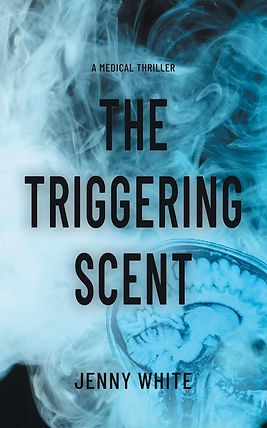
The Triggering Scent by Jenny White, a retired registered nurse and brain tumor survivor, launches the Abbey Roberts RN series with a protagonist who sees hospital systems from the nursing perspective. Abbey isn't a detective. She's someone trying to do her job while recognizing that something is wrong. The suspense comes from her realization that the institution she works for may be complicit in patient harm.
This is where medical mystery novels written by healthcare professionals change the game. White writes from lived experience. The ICU details aren't researched. The ethical dilemmas aren't invented for plot purposes. Readers consistently note that Abbey feels like a real person and that the hospital setting doesn't feel like a set.
Pro Tip If you're a healthcare professional skeptical about how hospitals are portrayed in thrillers, start with books written by authors with clinical backgrounds. The details will ring true. The institutional dynamics will feel familiar.
Best Medical Thrillers Written by Nurses and Healthcare Professionals
The most significant shift in medical fiction is the emergence of authors writing from clinical expertise rather than research. These are people who've worked in hospitals, made clinical decisions, and understood what it feels like when systems fail patients.
The Triggering Scent: Nursing Ethics and Authentic ICU Drama
Jenny White's debut explores hospital drama through Abbey Roberts, a registered nurse whose professional judgment conflicts with institutional pressure. The novel centers nursing expertise, decision-making, and the ethical weight of patient care.
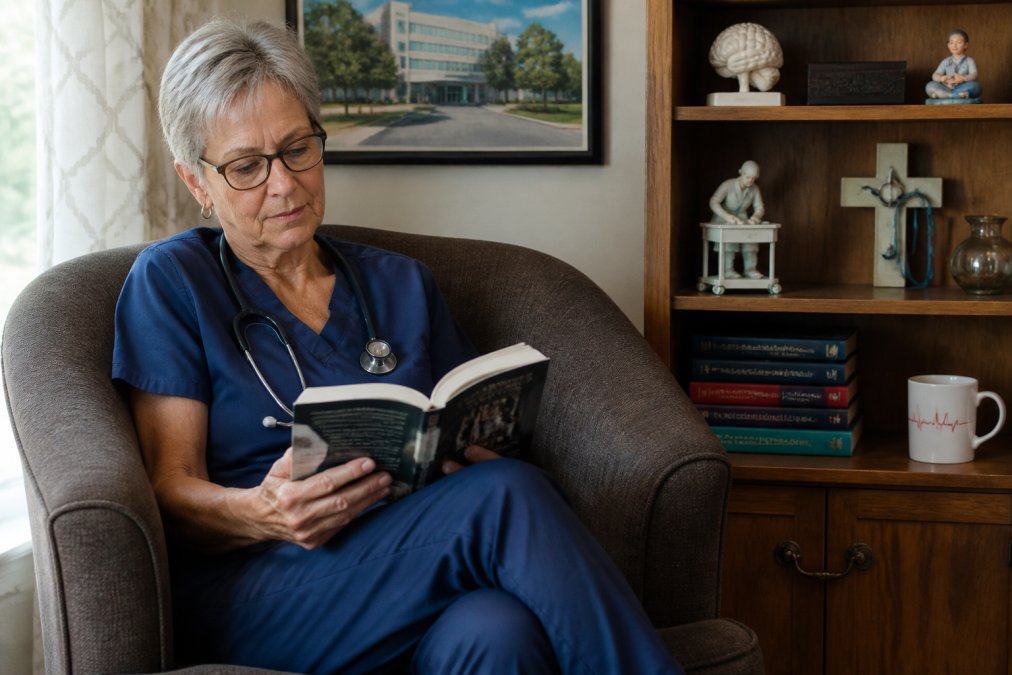
Abbey doesn't investigate because she's bored or talented at solving puzzles. She investigates because she recognizes that something threatens patient safety. Her knowledge comes from years of clinical practice, not detective training. character building books.
The novel explores medical trauma, institutional accountability, and recovery with the detail and nuance that only someone who's lived it can provide. Readers who work in healthcare consistently report that the novel captures something authentic about the profession: the small moments of institutional failure, the weight of knowing something is wrong and not being able to prove it, the resilience required to keep showing up.
Human Remains: Medical Investigation and Laboratory Ethics
Dr. Hope Sze's investigation into suspicious deaths at a stem cell research lab centers on someone whose professional expertise is investigation itself. The novel doesn't require Hope to suddenly become a detective. She already is one.
This shifts the entire dynamic of the medical thriller. Instead of a doctor discovering something suspicious and deciding to investigate, you get someone trained in investigation encountering resistance from the institution. The procedural elements feel authentic because they are. The regulatory frameworks aren't simplified for plot purposes.
Medical Suspense Books with Ethical Dilemmas
The best medical suspense books with ethical dilemmas move beyond "who did it" and into "what should have been done." These are stories where the conflict isn't external but internal. A character recognizing that the right choice and the institutional choice aren't the same thing.
This is where medical fiction becomes genuinely suspenseful. You're not waiting for a revelation. You're watching someone navigate impossible choices with incomplete information and real consequences. A nurse deciding whether to report a colleague's mistake. A doctor recognizing that a treatment protocol isn't working for this specific patient but following it anyway. An administrator choosing between patient safety and institutional liability.
The suspense comes from watching someone recognize the problem and then try to act on it. The obstacles aren't plot devices. They're how institutions actually work.
Television Medical Dramas: Visual Storytelling and Ongoing Character Arcs
Television offers something novels can't: sustained character development across seasons. You follow characters across multiple episodes, watching them navigate ongoing challenges, develop relationships, and grow as clinicians and people.
The format also allows for medical detail that would feel excessive in a novel. A television drama can show a procedure, let you see the clinical environment, and build tension through visual storytelling rather than exposition.
SkyMed and The Transplant: Canadian-Set Emergency Medicine
SkyMed follows nurses and pilots flying air ambulances in remote Northern Canada. The series combines medical drama with the unique tension of emergency medicine in remote settings. A patient needs care, but the patient is hours away from a hospital. The medical team has to make decisions with limited resources and limited time.
The Transplant centers on emergency medicine in a Toronto hospital. The series follows doctors handling life-threatening situations and undiagnosed medical issues. The show excels at portraying the complexity of emergency work: the rapid decision-making, the uncertainty, the cases that haunt you.
Both series require streaming subscriptions. SkyMed is available on Paramount+. The Transplant is available on Hulu and Peacock.
Key Takeaway Television dramas excel at showing what medical environments actually feel like. You see the pace of emergency medicine, the communication between team members, and the emotional weight of clinical decisions. If you want to experience medicine visually rather than through narrative description, these series deliver authenticity that most fictional medical dramas don't.
Interactive and Educational Alternatives for Healthcare Professionals
For healthcare professionals, interactive alternatives offer something novels and podcasts can't: the chance to practice clinical decision-making in realistic scenarios without patient risk.
Emergency Medicine Cases Podcast and Clinical Simulation
Emergency Medicine Cases is Canada's most listened-to emergency medicine podcast, offering case-based discussions and deep dives into clinical emergency medicine topics (emergencymedicinecases.com). Episodes feature round-table discussions with experts examining real clinical scenarios, what the evidence supports, and how to approach similar cases in practice.
The podcast is free and part of the broader #FOAMed (Free Open Access Medical Education) community. It offers continuing medical education credits and serves healthcare professionals seeking to deepen their clinical knowledge.
Simulation Canada provides free virtual simulations for healthcare education. Over 200 interactive simulations allow students and professionals to practice clinical decision-making in risk-free environments (canada.ca). The simulations cover various healthcare disciplines: nursing, paramedicine, respiratory therapy. They're funded by the Government of Canada and developed collaboratively with post-secondary institutions.
For healthcare professionals skeptical about how hospitals are portrayed in thrillers, these resources offer authentic clinical engagement. You're not watching someone solve a mystery. You're practicing clinical reasoning in realistic scenarios.
How to Choose Your Next Medical Thriller Alternative
The right alternative depends on what you're looking for.
If you want narrative suspense without predictable formulas: Start with novels written by healthcare professionals. Jenny White's The Triggering Scent and Dr. Hope Sze's Human Remains both deliver suspense grounded in authentic clinical experience.
If you want real medical mysteries: Choose a podcast. Symptomatic and The Medical Detectives follow actual diagnostic journeys. MrBallen's Medical Mysteries offers bizarre cases that feel stranger than fiction because they're real.
If you want visual storytelling with character development: Watch SkyMed or The Transplant. Television allows sustained character arcs and visual detail that novels can't match.
If you work in healthcare and want clinical engagement: Explore Emergency Medicine Cases and Simulation Canada. These resources let you engage with medical scenarios actively, deepening your clinical knowledge while experiencing realistic decision-making challenges.
The common thread across all these alternatives is authenticity. They're created by people who understand medicine from the inside. They don't treat medical details as flavor. They treat them as central to the story because that's how medicine actually works.
If you're ready to experience medical fiction that captures the complexity, ethical weight, and human stakes of healthcare, Jenny White's Abbey Roberts RN series offers exactly that. The Triggering Scent delivers the suspense and emotional depth you're looking for, grounded in the authentic perspective of a retired registered nurse who understands what hospital drama actually feels like. With strong reader response praising Abbey's resilience and the novel's realistic medical details, it's the kind of book that keeps you turning pages while making you think about institutional ethics long after you finish. Discover what authentic medical thriller storytelling looks like, get your copy of The Triggering Scent today.
Alternative Format | Best For | Commitment Level | Cost |
Novels by healthcare professionals | Character-driven suspense, authentic detail | 8-12 hours | Purchase price |
Medical mystery podcasts | Real diagnostic journeys, ongoing episodes | Flexible, bi-weekly or weekly | Free |
Medical drama television | Visual storytelling, sustained character arcs | 45-60 min per episode | Streaming subscription |
Interactive simulations | Clinical learning, active decision-making | Self-paced | Free |
Frequently Asked Questions
What makes medical mystery novels different from other thriller genres?
Medical mystery novels combine clinical suspense with diagnostic puzzles, exploring how healthcare professionals uncover the truth behind unexplained illnesses or deaths. Unlike traditional crime fiction, they focus on pathology, epidemiology, and medical ethics rather than purely criminal investigation. The genre appeals to readers who want authentic medical details woven into suspenseful storytelling, often featuring physician-authors or healthcare professionals who bring credibility to the clinical setting and medical procedures depicted.
Are there medical thrillers written by actual nurses that offer authentic hospital perspectives?
Yes. The best medical thrillers written by nurses draw directly from lived experience in clinical settings. Authors with nursing backgrounds understand hospital dynamics, patient safety challenges, and ethical dilemmas in ways that create authentic character voices and realistic portrayals of ICU environments. These books often explore nursing ethics, institutional accountability, and the emotional weight of medical trauma, angles that published fiction by non-healthcare authors frequently misses or oversimplifies.
What are good alternatives if I want medical suspense but find traditional novels too slow-paced?
Podcasts like Symptomatic and The Medical Detectives deliver gripping medical mystery content in concentrated doses, with episodes ranging from 30 to 60 minutes. MrBallen's Medical Mysteries focuses on high-impact storytelling with dramatic medical anomalies and unexplained phenomena. Television dramas like SkyMed and The Transplant offer visual storytelling with ongoing character arcs and immediate emotional payoff. These formats compress narrative tension and reduce the time investment required compared to novel-length fiction.
How do modern medical thrillers with ethical dilemmas differ from classic medical mystery novels?
Modern medical suspense books with ethical dilemmas shift focus from 'whodunit' puzzles to 'what should they do' moral questions. Contemporary authors explore conflicts between patient autonomy, institutional pressure, research ethics, and personal survival. Rather than simply solving a diagnostic riddle, readers grapple with choices that have no clear right answer, reflecting real tensions in clinical practice. This shift appeals to healthcare professionals and survivors who recognize these dilemmas from lived experience, making the emotional stakes feel immediate and relevant.
Buy now
This article was written using GrandRanker


Comments