



10 Best Psychological Thrillers for Book Club Discussions
Updated: 4 days ago
Table of Contents
Why These Psychological Thrillers Work for Book Clubs
The Ultimate List: 10 Best Psychological Thrillers for Book Club Discussions
1. None of This Is True by Lisa Jewell: A Study in Unreliable Narrators
2. Rock Paper Scissors by Alice Feeney: Secrets in the Scottish Highlands
3. The Couple Next Door by Shari Lapena: Suburban Suspense
4. Before I Go To Sleep by SJ Watson: Memory as a Weapon
5. The Devotion of Suspect X by Keigo Higashino: A Cerebral Puzzle
6. Look Closer by David Ellis: Layers of Misdirection
7. The Party by Robyn Harding: Social Commentary and Suspense
8. My Husband's Wife by Jane Corry: A Marriage Built on Lies
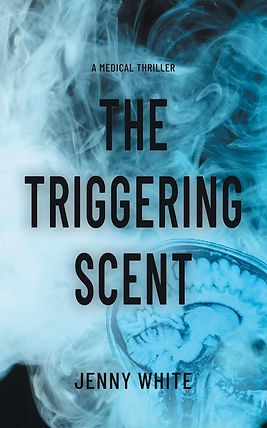
9. The Triggering Scent by Jenny White: Authentic Medical Suspense
10. A Slow-Burn Choice for Patient Groups
How to Host a Thriller Book Club: A Step-by-Step Guide
Setting the Atmosphere for Suspense
Handling Spoilers and Big Reveals
Book Club Discussion Questions for Thrillers That Spark Debate
Best Medical Thrillers for Book Clubs: A Genre Apart
What to Skip When Choosing Your Next Thriller
Your Next Book Club Pick Awaits
Frequently Asked Questions
Last Updated: September 6, 2026
The best psychological thrillers for book club discussions are titles that do more than shock you with a twist; they leave you arguing about character motives, ethics, and the ending long after the meeting ends. A great thriller for a group is a puzzle box where every reader finds a different piece, which is exactly why the genre has become a staple for reading groups seeking high engagement. In this guide, we have curated a list of ten novels that consistently generate debate, ranging from domestic suspense to cerebral puzzles, and we will show you how to turn a gripping read into an unforgettable meeting.
These selections prioritize complex characters and moral ambiguity over simple scares. A psychological thriller is a suspense novel that focuses on the characters' mental and emotional states rather than on physical action or gore, often featuring unreliable narrators and deep psychological manipulation (britannica.com). Below, we will break down why each book works for a group, how to host a session that does the story justice, and the specific discussion frameworks that turn casual readers into passionate literary analysts.
Why These Psychological Thrillers Work for Book Clubs
Most book clubs fail with thrillers because they treat them as pure entertainment with nothing to unpack. The books on this list defy that assumption by building their suspense on themes that demand conversation: the fragility of memory, the performance of marriage, and the ethics of obsession.
What makes a book club thriller effective is the presence of a central moral question that has no clean answer. When a story presents a character who does something terrible for a defensible reason, your group will naturally split into factions. That friction is the engine of a great discussion. Each title here was chosen because it offers that friction, paired with a narrative structure that rewards careful reading and re-examination.
The Ultimate List: 10 Best Psychological Thrillers for Book Club Discussions
This list spans subgenres from domestic noir to translated crime fiction, ensuring variety across several months of meetings. The selections are ranked for their discussion potential, not just their plot twists, prioritizing books with layered characters and thematic depth that give your group plenty to analyze.

1. None of This Is True by Lisa Jewell: A Study in Unreliable Narrators
Lisa Jewell's novel is a masterclass in the unreliable narrator trope, centering on a chance encounter between two women that spirals into obsession. The dual-narrative structure and embedded podcast transcripts force readers to question which version of events is real, making it ideal for a group debate about truth and perception. Your club will spend the entire meeting trying to pin down who was manipulating whom, a conversation that often gets heated.
2. Rock Paper Scissors by Alice Feeney: Secrets in the Scottish Highlands
This tense novel traps a couple in a remote Scottish cottage where their marriage unravels amid layers of deception. The atmospheric setting is a character in itself, and the short, punchy chapters make it a fast read for busy members. Discussion naturally gravitates toward the plausibility of the couple's secrets and whether the shocking twist feels earned or requires too much suspension of disbelief.
3. The Couple Next Door by Shari Lapena: Suburban Suspense
When a baby disappears during a dinner party, the parents become prime suspects in a story that skewers suburban respectability. The tight, claustrophobic pacing keeps the pages turning, but the real value for a book club lies in the ethical dilemmas surrounding parental judgment and class prejudice. Expect a polarizing debate about the characters' choices, as many readers find the parents deeply frustrating while others defend them.
4. Before I Go To Sleep by SJ Watson: Memory as a Weapon
A woman who loses her memory every night must piece together her identity from a journal she keeps for her future self (goodreads.com). This premise is a gift for discussion, raising profound questions about identity, trust, and whether we are the sum of our memories. The slow-burn pacing rewards patient groups that enjoy dissecting how the narrator's condition shapes her vulnerability to manipulation.
5. The Devotion of Suspect X by Keigo Higashino: A Cerebral Puzzle
This Japanese bestseller flips the whodunit formula by revealing the killer in the first chapter, shifting the mystery to how the detective will prove it. Higashino focuses on the "how" rather than the "who," creating an intellectual puzzle that appeals to groups tired of domestic drama. The ending is deeply emotional, offering a unique cultural perspective on sacrifice and devotion that sparks conversation about morality versus logic.
6. Look Closer by David Ellis: Layers of Misdirection
David Ellis crafts a twisty suburban tale where a seemingly perfect couple harbors dark secrets and a complex web of lies. The extensive use of misdirection and multiple perspectives makes it a highly addictive read, perfect for groups that love trying to predict the ending. Be prepared for a lively post-mortem on the clues you all missed, as the narrative is deliberately constructed to outsmart the reader.
7. The Party by Robyn Harding: Social Commentary and Suspense
A sweet sixteen party gone horribly wrong exposes the ugly underbelly of family dynamics and social status. Harding uses multiple viewpoints to show how the same event is perceived differently by each character, a structure that leads to rich discussion about class and parenting. The characters are often unlikable, which paradoxically makes for excellent debate about whether privileged people deserve sympathy.
8. My Husband's Wife by Jane Corry: A Marriage Built on Lies
Jane Corry's novel explores psychological manipulation and identity theft within a marriage, using a strong narrative voice to draw readers into a web of secrets. The premise regarding identity is intriguing and offers a fresh angle on the trust-and-deception theme common in the genre. It is a compelling, fast-paced read with twist endings that will have your group reconsidering the clues laid out in earlier chapters. mystery novel recommendations.
9. The Triggering Scent by Jenny White: Authentic Medical Suspense
For a group craving something distinct, Jenny White's debut novel brings a retired nurse's authenticity to the genre, placing an ICU nurse in the crosshairs of a lethal conspiracy. The medical details are not just flavor; they are integral to the plot and the ethical dilemmas Abbey Roberts faces, offering a realism rarely found in hospital dramas. As a brain tumor survivor herself, White writes recovery and resilience with a raw honesty that resonates deeply, making it a standout pick for a book club discussion on ethical choices under pressure.
10. A Slow-Burn Choice for Patient Groups
Not every thriller needs a twist every chapter. Some groups thrive on the slow accumulation of dread, where the tension comes from character study rather than plot mechanics. For those clubs, consider a novel that prioritizes psychological depth over pacing, allowing the discussion to focus on the gradual erosion of trust and the quiet moments that signal a breakdown. This choice works best for groups that enjoy literary analysis as much as they enjoy the suspense.
How to Host a Thriller Book Club: A Step-by-Step Guide
Hosting a thriller book club requires more planning than a typical literary fiction meeting because the experience hinges on the reveal. The goal is to recreate the tension of the book in your living room while ensuring that members who process information differently are not left behind. A structured approach keeps the energy high and the conversation focused.
Setting the Atmosphere for Suspense
The setting can prime your members for a more engaged discussion. Dim the lights, use candles for a warm glow, and clear the table of distractions so the group can focus on the conversation at hand. Consider asking members to come with a "red flag" moment: a point in the book where they first suspected the twist, which immediately generates a list of discussion topics.
Handling Spoilers and Big Reveals
Before the meeting, establish a clear spoiler policy to ensure everyone has finished the book. A common approach is to allow open discussion of the ending only after the first hour, reserving the opening for thematic analysis and character impressions. This protects the reading experience for slower readers while still letting the group dig into the climax with full context.
Book Club Discussion Questions for Thrillers That Spark Debate
Generic discussion questions fall flat with thrillers because they ignore the mechanics of suspense. To get a spirited conversation going, use questions that target the specific choices the author made to mislead you. Ask about the moment trust broke, whether the twist was fair or a cheat, and what they would have done differently in the protagonist's position.
Discussion Focus | Sample Question | Why It Works |
Narrative Reliability | "Which narrator did you trust first, and what made you doubt them?" | Uncovers how the author built the unreliable narrator |
Moral Ambiguity | "Was the ending just, or merely legal?" | Forces readers to separate ethics from the plot's resolution |
Suspense Mechanics | "Where did you guess the twist, and what clue tipped you off?" | Turns readers into critics of the book's pacing and structure |
For a thriller, the best questions are those that pit one reader's interpretation against another's. Questions like "Who was the real villain?" or "Would you have made the same choice to protect your family?" are guaranteed to split the room, creating the kind of debate that makes a meeting memorable.
Best Medical Thrillers for Book Clubs: A Genre Apart
Medical thrillers occupy a unique space in the genre because they introduce a third element beyond the killer and the victim: the institution. The hospital setting adds a layer of systemic tension, where the stakes are not just personal survival but the integrity of the healthcare system itself. This makes them fertile ground for discussing ethical dilemmas, resource allocation, and the pressures faced by frontline staff.
The authenticity of the medical details is the deciding factor between a great medical thriller and a Hollywood caricature. For a book club, this authenticity is a discussion goldmine, allowing members to explore whether the ethical choices made by the characters reflect real-world practice. Titles written by authors with genuine clinical experience offer a level of realism that invites scrutiny and deepens the reading experience for everyone, especially those working in healthcare.
What to Skip When Choosing Your Next Thriller
Not every bestseller is a good book club pick. A thriller that relies purely on gore, shock value, or a twist that invalidates everything that came before it will leave your group with nothing to talk about. If the ending makes the entire story meaningless, the discussion will die in the first ten minutes.
A common mistake is choosing a book with a passive protagonist who merely reacts to events. While this can create suspense, it often frustrates readers who want to debate character agency. For your club, look for active characters who make difficult choices, because those choices are what your group will argue about. Also, be mindful of content sensitivity; check trigger warnings for themes like assault or abuse before selecting a title, as a respectful discussion requires members to feel safe (bookriot.com). If you are meeting virtually, use a platform that allows for breakout rooms so quieter members can share thoughts in smaller groups before reconvening.
Your Next Book Club Pick Awaits
Choosing the right thriller is the difference between a quiet hour of polite nodding and a spirited debate that runs late into the evening. The titles above offer a roadmap for months of engaging meetings, from domestic suspense to cerebral puzzles, each one designed to challenge your group's assumptions about truth and justice.
For a selection that brings something genuinely new to the table, consider a medical thriller where the suspense is grounded in real clinical experience. Jenny White's debut novel, The Triggering Scent, combines the pacing of the genre with the authenticity of a retired registered nurse, creating stories that resonate with readers who crave realism. Get started with Jenny White and bring a fresh, immersive reading experience to your next book club meeting.
Frequently Asked Questions
What makes a psychological thriller good for a book club discussion?
The best psychological thrillers for book club discussions give you more than a plot twist. Look for unreliable narrators, moral ambiguity, and character-driven suspense that create opposing viewpoints within your group. Books like None of This Is True or The Couple Next Door work well because readers disagree on character motivations and the meaning of the ending. A strong discussion book also has layers: you notice new clues on a second read, which keeps the conversation going long after the meeting ends.
Are medical thrillers good choices for book club discussions?
Medical thrillers are excellent for book clubs, especially when written by someone with clinical experience. The Triggering Scent by Jenny White, written by a retired RN, offers authentic ICU details and ethical dilemmas that spark debate about real-world healthcare pressures. Groups can discuss the accuracy of the medical setting, the moral choices characters face, and how the hospital environment amplifies suspense. These books also appeal to members who enjoy character-driven stories about resilience alongside the mystery.
How do you handle spoilers in a book club thriller discussion?
Set a clear spoiler policy before the meeting starts. Many groups agree that everyone reads the full book first, which allows open discussion of the plot twist. For members who have not finished, structure the first half of the meeting around general impressions, pacing, and character development. Save the deep dive into the ending and reveals for the second half. This approach keeps the experience enjoyable for slower readers while still letting the group analyze the twist in detail.
How do I find book club discussion questions for thrillers?
Start with the publisher's reading group guide, which most major thrillers include. For a more tailored approach, create your own questions around the book's central themes: trust, identity, memory, and moral choices. Ask questions that have no single right answer, such as "Was the ending justified?" or "Who was the true villain?" Focus on character motivation and ethical dilemmas rather than just plot events to generate the liveliest conversation.
Buy now


Comments