



Psychological Support After Medical Error: A Canadian Guide
Last Updated: November 5, 2026
Quick Summary
Psychological support after medical error in Canada means stabilizing safety, information, and connection first, then pursuing disclosure, peer support, and professional help. Patients, families, and clinicians can all be affected, and distress lasting more than two weeks deserves professional attention.
In 2025-2026, 1 in 17 acute-care hospital stays involved patient harm, per CIHI.
In the first weeks, write down what happened and ask for a single point of contact.
Open disclosure with a sincere apology rebuilds patient trust and reduces isolation.
Symptoms persisting beyond four to six weeks warrant a professional conversation.
In a crisis, call or text 9-8-8 or go to the nearest emergency department.
Table of Contents
What Psychological Harm Looks Like After a Medical Error
Psychological harm after a medical error is the emotional and mental distress that follows a harmful incident, and it affects patients, families, and the healthcare workers involved. According to the Canadian Institute for Health Information's patient harm reporting, 1 in 17 acute-care hospital stays involved patient harm in 2025-2026. That is a staggering number of people who may need psychological support after medical error in Canada, and it explains why this guide from Jenny White treats recovery as a shared responsibility rather than a private burden.
How Patients and Families Respond
Patients often describe guilt, shame, anxiety, fear, and depression in the aftermath of harm. A retrospective case-controlled study indexed through Harvard's DASH repository examined trauma symptoms in family members of injured patients, confirming that the psychological impact spreads well beyond the person in the hospital bed. Families carry their own distress, often while making decisions they never trained for. For a closer look at why families choose to speak out, read When Families Speak Out, They’re Not Seeking Revenge, They’re Seeking Answers.
How Healthcare Workers Respond
Clinicians are frequently described as the "second victims" of a harmful incident. They report guilt, shame, and fear of reprisal, and many struggle in silence because admitting distress feels like admitting incompetence. A common mistake is assuming that a competent professional simply moves on. In practice, the emotional recovery of healthcare workers can take months, and some remain traumatized long after the event.
Coping With Medical Trauma in the First Weeks
Coping with medical trauma in the first weeks means stabilizing the basics before chasing closure. The early period is about safety, information, and connection, not resolution.
Here is how we would approach those first weeks:
Write down what happened while details are fresh, including dates, names, and questions.
Ask for a single point of contact so communication does not fragment.
Tell one trusted person what you are carrying, whether you are a patient or a clinician.
Protect sleep, meals, and movement; distress worsens when the body is depleted.
Book a check-in with a family doctor or employee assistance program rather than waiting for a crisis.
Watch out: the most common early mistake is waiting until symptoms become unmanageable before asking for help. Distress that interrupts sleep or appetite for more than two weeks deserves professional attention.
Medical Error Disclosure to Patients and Why It Matters
Medical error disclosure to patients is the honest conversation in which a care team explains what happened, what is known, and what comes next. It matters because open communication preserves patient trust and reduces the isolation that fuels trauma. The BMJ Open Quality article on mutual healing after medical error describes programs that bring patients and healthcare workers together for facilitated conversations in a safe environment, supporting both groups in healing.
An apology is part of that conversation. Accepting responsibility, offering reassurance, and explaining the incident response plainly does more for emotional recovery than polished statements delivered late.
Disclosure element | What it does | Why it matters |
Plain explanation of the harmful incident | Removes uncertainty | Reduces fear and anxiety |
Sincere apology | Acknowledges the patient's experience | Rebuilds patient trust |
Named contact person | Prevents fragmented communication | Keeps families oriented |
Outline of next steps | Restores a sense of control | Supports coping and adjustment |
For readers who want to understand how fault and disclosure differ, our post on why medical misadventure isn't always negligence breaks down the distinction.
Support for Healthcare Workers After Medical Error
Support for healthcare workers after medical error starts with psychological safety, not performance review. Peer support and a supportive colleague often do more in the first week than formal processes, though both have a place. The Mutual Healing Program, described by Patients for Patient Safety Canada, enables sincere conversations in a safe environment so clinicians and patients can heal rather than retreat.

Recovery after a medical error is not uniform: some healthcare workers remain traumatized while many regain well-being after a recovery period. Our post on nurse burnout gives healthcare workers language for that strain.
Patient Safety Support Resources Across Provinces and Territories
Patient safety support resources vary by jurisdiction across Canada, so it helps to know which door to knock on first.
A practical directory approach, in the order most patients and families should use it:
Hospital patient relations office, often a first stop for the incident record, disclosure follow-up, and a named contact.
Provincial or territorial patient safety or quality organization, for system-level concerns that the hospital has not resolved. Check with your provincial or territorial health department for the body that covers your area.
Health profession regulator, for conduct and competence questions about a specific clinician, typically through the relevant provincial or territorial college.
Provincial or territorial victim services, may offer practical and emotional supports, depending on the circumstances.
Family doctor or nurse practitioner, can discuss referral options for counseling and mental health support.
Differences among provinces and territories can be significant, so check the complaint routes available where you live.
Documentation matters here. Keep copies of every letter, and note who said what and when. A simple log with dates, names, and a one-line summary of each conversation will carry more weight than a detailed recollection months later.
Watch out: patient relations offices are often part of the same organization that delivered the care. If you need an independent voice, ask a patient advocacy organization what options exist in your area.
Long-Term Recovery and When to Seek Professional Help
Long-term recovery is not linear, and post-traumatic growth is possible without erasing what happened. People affected by a medical error, patients, families, caregivers, and clinicians, often move through stages of distress, adjustment, and longer recovery that can take months. The mistake is assuming that because distress is common, it does not need attention. Because distress deserves attention rather than dismissal, finding trauma therapists can be one practical step toward support that makes room for recovery without minimizing what happened.
A useful way to distinguish common reactions from signs that warrant professional help:
Common and expected, sleep disruption, intrusive thoughts, irritability, sadness, and anxiety in the first two to four weeks. These often ease with rest, information, and connection.
Worth a professional conversation, symptoms that persist beyond four to six weeks, that interfere with work or caregiving, or that are worsening rather than easing. A family doctor or nurse practitioner can refer to publicly funded counseling, and many provinces offer self-referral to mental health programs.
Seek urgent help, thoughts of self-harm or suicide, inability to care for yourself or dependents, panic that prevents leaving the house, or reliance on alcohol or other substances to cope. In a crisis, call or text 9-8-8 (the Suicide Crisis Helpline) or go to the nearest emergency department.
Trauma symptoms in family members are well documented, so caregivers and witnesses deserve the same referral pathway as patients. A spouse who watched a loved one deteriorate, a parent who signed a consent form, or a colleague who was in the room during the incident all carry their own risk. Most practitioners find that family members under-report distress because they feel they should be strong for the patient.
For healthcare workers, the pathway is different. Employee assistance programs, peer support programs, and provincial physician health programs (such as those run by provincial medical associations) offer confidential support that is separate from the incident review. The key is to ask before a formal process begins, not after.
For readers rebuilding after a health crisis, the THRIVE Reinvention Self-Directed Workbook offers a structured, self-paced way to take stock and reimagine what comes next.
Finding Your Next Step Through Story and Support
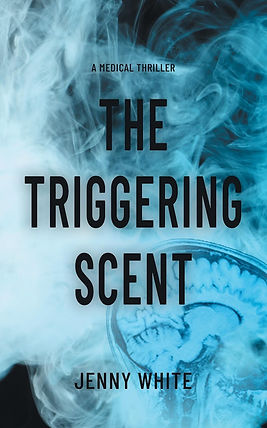
Finding your next step often starts with hearing how others moved through the same fog. Jenny White is a Canadian author and retired registered nurse whose medical thrillers follow Abbey Roberts RN through the ethical dilemmas and emotional fallout of hospital life. Her debut, The Triggering Scent, has been recognized as a best seller week title, and readers describe it as a well-written thriller with strong characters and realistic medical details.
If you want peer examples of recovery, our collection of brain recovery stories shares seven journeys of resilience.
Frequently Asked Questions
What emotional effects can a medical error have on a patient?
Patients often describe shock, anxiety, fear and depression after a harmful incident, and some develop symptoms consistent with trauma. Research on family members of injured patients found trauma symptoms can extend to loved ones as well. The psychological impact is real and can affect sleep, trust in clinical care and daily functioning. If distress lasts more than a few weeks or interferes with work and relationships, ask a family doctor about counselling or a referral to a psychologist covered under provincial health plans or employee assistance programs.
How can I cope emotionally after a medical error?
Start by naming what happened and how it affected you, then tell someone you trust, whether a family member, family doctor or a peer support group. Write down your questions and request a meeting to discuss the incident. Keep a simple record of symptoms and dates. Limit repeated retelling to people who help rather than amplify distress. Many provinces offer free health-system complaint and patient relations offices that can connect you with medical error support and counselling referrals.
Where can patients find mental health support after a medical error?
Options include your family doctor, provincial telehealth lines, employee assistance programs, and patient relations offices at the hospital or health authority where the incident occurred. Provincial patient ombudsman offices can guide you through complaints and connect you with patient safety support resources. Community organizations such as Patients for Patient Safety Canada offer peer support and mutual healing conversations. Costs vary; many counselling services are covered through provincial health plans or workplace benefits.
How should a healthcare provider disclose harm to a patient?
Disclosure should happen promptly, in plain language, with the patient and family present and a support person available. Explain what is known, what is still being investigated, and what will happen next. Accept responsibility for the facts without speculating on blame, and offer a sincere apology. Document the conversation. Medical error disclosure to patients builds trust and reduces the risk of prolonged psychological harm for everyone involved, including the clinician.
What support is available for healthcare workers involved in a medical error?
Hospitals and health authorities typically offer employee assistance programs, peer support networks, and formal counselling after a harmful incident. Some regions run critical incident stress management teams. Informal support from a trusted colleague matters too. The Mutual Healing Program brings patients and healthcare workers together for facilitated conversations in a safe environment. If guilt, shame or anxiety persists for weeks, ask occupational health about confidential psychological support.
Can a medical error cause trauma or anxiety?
Yes. Studies of patients and family members after harmful incidents report symptoms consistent with post-traumatic stress, including intrusive thoughts, avoidance and hypervigilance. Healthcare workers can experience similar responses, sometimes called second victim distress. Recovery is not uniform; some people regain well-being after a period of adjustment while others need professional treatment. If symptoms last beyond a month or disrupt daily life, seek a clinical assessment.
The hardest part of a harmful incident is rarely the paperwork; it is carrying the weight alone. At Jenny White, we write the stories that name that weight honestly, with authentic hospital settings, realistic clinical detail, and characters who face ethical dilemmas head-on. Get started with Jenny White and read The Triggering Scent to see resilience handled with the respect it deserves.


Comments