


.webp)


Jenny's Medical Thriller Blog
- jdfw3494
- May 25
- 6 min read
Why Medical Psychological Thriller Books Hit Hard
An ICU alarm is not background noise when you know what it means. It is a countdown. A warning. Sometimes the thin sound between recovery and catastrophe. That is why medical psychological thriller books land differently from ordinary suspense. They do not just ask who did it. They ask who failed, who knew, who lied, and what happens when the body becomes the scene of the crime.
For readers who crave tension with substance, this corner of thriller fiction delivers something sharper than a standard chase plot. It brings the reader into operating rooms, psychiatric wards, recovery units, addiction spirals, malpractice coverups, and private grief that never stays private for long. The best stories in this space are not only frightening because someone is dangerous. They are frightening because the system is under pressure, the diagnosis may be wrong, and the person holding the chart may be hiding something.
What makes medical psychological thriller books so addictive
At their best, medical psychological thriller books combine two kinds of dread. One is physical danger - illness, injury, sedation, surgery, dependency, death. The other is psychological instability - gaslighting, trauma, obsession, memory distortion, coercion, paranoia. Put those forces together and the result is deeply unsettling because the threat is both external and intimate.
A killer can break into a house. A clinician, caregiver, patient, or loved one can get inside your head. That difference matters. The genre thrives on vulnerability. A patient is already exposed. A survivor is already carrying fear in the body. A healthcare worker already knows how quickly a normal shift can turn into a disaster. The tension does not need to be manufactured. It is built into the setting.
This is also why realism matters so much. Readers can feel when medical detail is pasted in for effect. They can also feel when it comes from lived knowledge - when the timing of a code, the hierarchy in a hospital, the language of triage, or the emotional shutdown after a brutal case rings true. Accuracy is not just decoration. It raises the stakes because it makes the danger believable.
Why this genre feels more personal than a standard thriller
Many thrillers run on action. Medical psychological thrillers run on exposure. They take away control in ways readers instantly understand. Your mind can betray you. Your symptoms can be dismissed. A scan can reveal the unthinkable. A trusted professional can make one choice that ruins everything.
That emotional charge is what keeps readers up late. The genre often taps into fears people already carry: misdiagnosis, addiction, chronic pain, traumatic memory, infertility, brain injury, medication error, or the terror of not being believed. Even readers who have never spent time in a hospital know the feeling of having to trust somebody else with something precious. In these books, that trust is under siege.
For many readers, especially those who want more than surface-level suspense, this creates a deeper kind of investment. The question is not only whether the protagonist survives. It is whether they can hold onto reality, dignity, and agency while powerful forces close in.
The strongest medical psychological thriller books know medicine is never neutral
Hospitals are full of heroism, but they are also full of hierarchy, exhaustion, ego, and ethical pressure. That is where the richest stories live. A surgeon may be brilliant and reckless. A nurse may notice what others miss and still be ignored. A family member may weaponize a diagnosis. A patient may know the truth but lack the proof.
This complexity gives the genre its bite. Medicine in fiction works best when it is not treated as clean, perfect, or all-knowing. Real healthcare involves judgment calls, imperfect information, burnout, conflicting motives, and moments that can haunt people for years. When a thriller understands that, every chart note, every delayed test result, every whispered conversation outside a hospital room can carry menace.
The psychological side deepens that menace even further. Trauma changes perception. Grief distorts memory. Shame silences people. Addiction can make a truthful character look unreliable. That means the plot does not need cheap twists to feel intense. It can build pressure through doubt, secrecy, and moral compromise.

What readers should look for in the best medical psychological thriller books
Not every book that uses a hospital setting truly earns the label. The strongest ones usually share a few traits.
First, the medical world feels inhabited rather than staged. Procedures have consequences. Injuries do not vanish by the next chapter. Staff dynamics feel specific. The environment has its own tension, whether that is the relentless pace of emergency care or the eerie stillness of a locked ward at 3 a.m.
Second, the central psychological conflict is more than a gimmick. Memory loss, hallucination, PTSD, manipulation, and obsession can all be powerful elements, but they need emotional truth behind them. Readers can tell when mental strain is being used as a lazy plot device. They respond far more strongly when the character's inner fracture feels earned and human.
Third, the antagonist does not need to wear a black hat. In this genre, the most disturbing villains are often credible people with plausible motives. A doctor protecting a reputation. A spouse controlling access to care. A colleague covering a fatal mistake. Evil is frightening, but rationalized wrongdoing is often worse.
Finally, there should be consequences. The best suspense leaves marks. Bodies carry scars. Minds do too. If a story puts its characters through botched procedures, betrayal, or life-altering trauma, readers want the aftermath to matter.
Why authenticity changes everything
Readers in this genre are not only looking for a rush. They are looking for conviction. They want to feel that the author understands pain, pressure, and the private language of survival. That does not mean every writer needs a medical career, but it does mean authenticity shows on the page.
When an author brings real clinical knowledge or firsthand experience with illness, the fiction often gains a different gravity. The details stop feeling decorative. The emotional beats sharpen. Fear becomes more specific. So does courage.
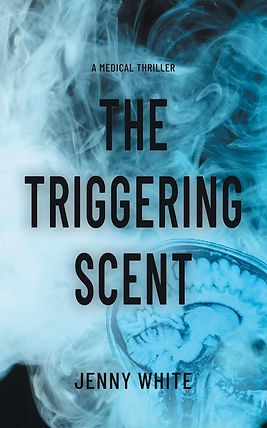
That is one reason readers are drawn to writers such as Jenny White, whose background in nursing and personal battles with serious illness bring a distinct authority to medically grounded suspense. The result is not just technical credibility. It is emotional credibility - the sense that the terror, endurance, and ethical conflict in the story have been lived close to the bone.
Who these books are really for
Medical psychological thriller books appeal to classic thriller readers, but they often reach beyond that crowd. They speak to healthcare professionals who know the stakes behind a flat monitor tone. They connect with survivors who have spent too much time in waiting rooms, under fluorescent lights, bargaining with outcomes. They also draw in book club readers who want suspense with something real to talk about after the last page.
This is especially true for readers who are tired of formula. If a generic action thriller leaves you cold, this genre can feel more urgent because the danger is recognizably human. It lives in systems, relationships, and bodies under stress.
That said, there is a trade-off. These novels can hit close to home. Readers who have experienced medical trauma may find them intense in a way that is both powerful and difficult. For some, that realism is exactly the point. For others, it depends on timing, subject matter, and how much darkness they want to sit with.
Why the genre keeps growing
The popularity of medical psychological thriller books is not an accident. Readers are increasingly sceptical of polished institutions and more interested in stories about hidden pressure, buried truth, and fragile trust. Medicine sits at the centre of all of that. It carries authority, vulnerability, money, ethics, and life-or-death consequence in a single setting.
Add psychological suspense to the mix and the genre becomes a natural home for modern fears. Who controls the narrative when a patient cannot speak for themselves? What happens when trauma makes a witness unreliable? How do people behave when reputation matters more than care? These are not abstract questions. They are brutally current, which gives the fiction extra force.
And still, the best books are not cynical for the sake of it. They understand that darkness works because it pushes against something worth saving - truth, survival, compassion, justice, or the stubborn refusal to surrender. Without that human core, the genre can become cold. With it, the story grips hard and lingers.
The lasting pull of medical psychological thriller books
A good thriller gives you adrenaline. A great one leaves you unsettled for reasons you cannot easily shake off. Medical psychological thriller books do that because they weaponize trust, vulnerability, and the frailty of the human body while refusing to look away from emotional cost.
They remind us that fear is often most powerful when it comes disguised as care, expertise, or certainty. They also remind us that survival is rarely simple. Sometimes it is physical. Sometimes it is mental. Sometimes it is the act of telling the truth after someone powerful tried to bury it.
If you want suspense that feels credible, emotionally dangerous, and impossible to brush off, this genre earns its place on your shelf. The strongest stories do not just race. They cut close - and that is exactly why readers keep coming back.


Comments