



Jenny's Medical Thriller Blog
- jdfw3494
- Oct 15, 2025
- 3 min read
The Silent Crisis: Understanding and Overcoming Nurse Burnout
As a retired RN who spent years witnessing the toll our profession takes on dedicated caregivers, I've seen firsthand how burnout doesn't just affect individual nurses—it impacts entire healthcare systems and, ultimately, patient care.
The Reality Behind the Scrubs
Nurse burnout isn't just feeling tired after a long shift. It's the emotional, physical, and mental exhaustion that builds up over time, creating a dangerous cycle that affects everything from decision-making to compassion fatigue. During my years in the ICU, I watched brilliant, caring nurses slowly lose their spark—and sometimes, their careers.
The statistics are sobering: studies show that up to 40% of nurses experience burnout, with ICU and trauma nurses facing even higher rates. But behind these numbers are real people struggling with impossible patient loads, administrative burdens, and the constant weight of life-and-death decisions.
The Perfect Storm: What Fuels Burnout
Staffing Shortages: When you're covering twice as many patients as you should, every task becomes a race against time. I remember shifts where we'd run from room to room, knowing we couldn't give each patient the attention they deserved.
Emotional Labor: We're expected to be strong for families in crisis, calm during emergencies, and compassionate even when we're running on empty. This emotional work is rarely acknowledged but takes an enormous toll.
Administrative Overload: Documentation, protocols, meetings—the paperwork never ends. Time spent on computers is time stolen from patient care, creating a constant internal conflict.
Workplace Culture: Toxic environments where nurses eat their young, where speaking up is discouraged, and where burnout is seen as a personal failing rather than a systemic issue.
The Warning Signs We Often Ignore
Burnout doesn't happen overnight. It creeps in slowly:
Dreading work or calling in sick more frequently
Feeling emotionally numb toward patients and colleagues
Making mistakes you wouldn't normally make
Physical symptoms: headaches, insomnia, frequent illness
Cynicism replacing the compassion that drew you to nursing
Questioning whether you chose the right profession
Breaking the Cycle: Strategies That Actually Work
Set Boundaries: Learn to say no to extra shifts when you're already stretched thin. Your well-being isn't selfish—it's essential for providing quality care.
Find Your Tribe: Connect with colleagues who understand the unique stresses of nursing. Sometimes just knowing you're not alone makes all the difference.
Practice Micro-Self-Care: You don't need a spa day (though that would be nice). Take five minutes to breathe deeply, step outside, or listen to your favorite song between patients.
Advocate for Change: Join committees, speak up about unsafe staffing, support union efforts. Individual coping strategies help, but systemic problems need systemic solutions.
Consider Your Options: Sometimes burnout is telling you it's time for a change—different unit, different role, or even different career path. There's no shame in pivoting.
The Ripple Effect of Recovery
When nurses prioritize their well-being, everyone benefits. Patients receive better care from providers who aren't running on empty. Families interact with nurses who have the emotional capacity for compassion. Healthcare systems function more effectively when turnover decreases and job satisfaction improves.
Moving Forward: A Personal Note
After retiring from nursing, I've found new purpose in writing medical thrillers that explore the realities of healthcare—including the toll it takes on those who dedicate their lives to healing others. These stories matter because they validate experiences that are too often dismissed or ignored.
If you're struggling with burnout, know that your feelings are valid. Your experience matters. And most importantly, there is hope for recovery and renewal, whether that's within nursing or in a new direction entirely.
What's your experience with nurse burnout? Have you found strategies that work? Share your thoughts in the comments below—your story might be exactly what another nurse needs to hear.
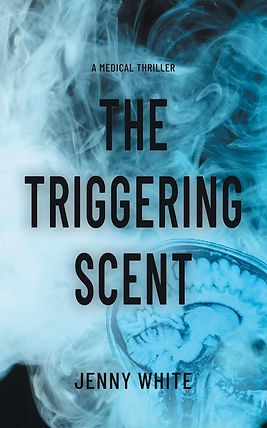
Jenny White is a retired RN and author of medical thrillers that explore the authentic realities of healthcare. Her debut novel, "The Triggering Scent," draws from real nursing experiences to create suspenseful narratives that honor the complexity of medical practice.


Comments