



Jenny's Medical Thriller Blog
When the Hospital Bed Becomes a Crossroads: Making Medical Decisions for Family
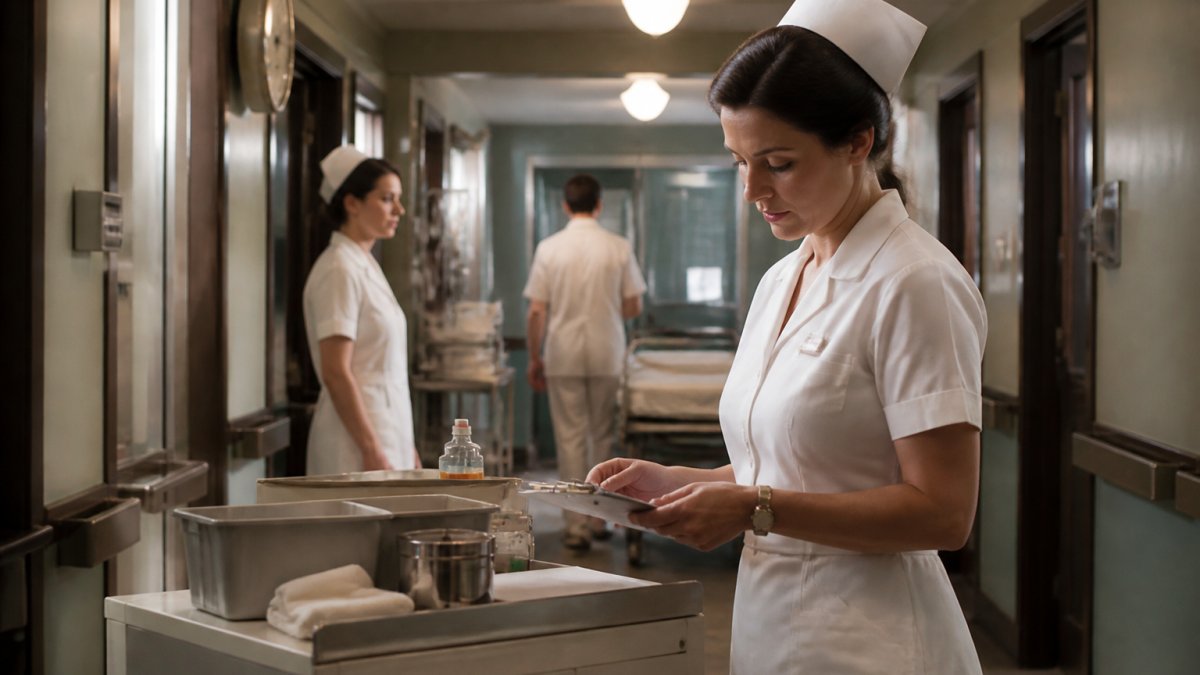
The fluorescent lights buzz overhead. The ventilator hums its mechanical rhythm. And there you are, holding a clipboard with papers that will determine someone else's fate—someone you love more than your own life.
Making medical decisions for a family member is one of the most overwhelming responsibilities we can face. Whether it's an elderly parent who can no longer speak for themselves, a spouse recovering from surgery, or a child too young to understand the implications, these moments test us in ways we never imagined.
The Weight of the White Coat
Doctors speak in measured tones about "quality of life" and "treatment options." They present statistics like 70% success rates and 30-day mortality risks. But behind those clinical terms lies a human being whose favorite song still makes them smile, who worries about their garden, who lights up when grandchildren visit.
The medical team sees the patient. You see the person.
When Time Becomes the Enemy
Emergency decisions hit like lightning. There's no time to research, no opportunity for second opinions, no luxury of sleeping on it. The doctor needs an answer now. Do we proceed with the risky surgery? Do we try the experimental treatment? Do we transfer to another facility?
Your mind races through decades of shared memories while trying to process medical jargon you've never heard before. What would they want? What would they choose if they could speak?
The Burden of "What If"
Every choice carries the shadow of alternatives. Choose surgery, and you wonder if you're putting them through unnecessary suffering. Choose comfort care, and you question whether you gave up too soon. The "what ifs" can haunt you long after the hospital discharge papers are signed.
But here's what I learned during my years in healthcare: there are rarely perfect decisions, only loving ones.
Finding Your North Star
When facing impossible choices, ask yourself:
What values did they live by?
What gave their life meaning?
How did they handle their own difficult decisions?
What would preserve their dignity?
Sometimes the most loving decision isn't the one that prolongs life—it's the one that honors how they lived.
The Unspoken Truth About Healthcare
Hospitals are designed to treat conditions, not necessarily to heal people. The system pushes toward intervention, toward doing something, even when sometimes the kindest choice is to stop fighting and start comforting.
I've seen families torn apart by disagreements over treatment plans. I've watched adult children struggle with guilt over decisions made in crisis moments. I've held hands with spouses who whispered, "I don't know what they would want."
You're Not Alone in This
The isolation of medical decision-making can feel crushing. But remember:
Healthcare teams are there to support you, not pressure you
Social workers can help navigate complex family dynamics
Chaplains offer comfort regardless of religious beliefs
Support groups connect you with others who understand
When the Machines Fall Silent
Whether your loved one recovers fully, lives with new limitations, or finds peace in their final days, you'll carry these decisions with you. Be gentle with yourself. You made choices from a place of love, with the information you had, in circumstances no one should have to face.
The hospital bed may be where the crossroads appeared, but love—messy, imperfect, human love—is what guided you through.
Moving Forward
These experiences change us. They teach us about resilience, about the fragility of life, about the strength we never knew we possessed. They also remind us to have those difficult conversations with our own families while we still can.
Because someday, someone we love might be standing at their own crossroads, holding their own clipboard, making decisions for us.
What medical decisions have shaped your family's story? How do you prepare for conversations about end-of-life care? Share your thoughts—sometimes the most healing thing we can do is know we're not walking this path alone.



Comments