



Jenny's Medical Thriller Blog
- jdfw3494
- Nov 19, 2025
- 3 min read

When Illness Strikes: Why Power of Attorney and Wills Aren't Just Legal Documents—They're Lifelines
As a retired registered nurse turned medical thriller author, I've witnessed firsthand what happens when families face medical crises without proper legal preparation. The stories I could tell would make your blood run cold—and some of them have made it into my novels.
The Hospital Room Reality Check
Picture this: It's 2 AM in the ICU. A patient lies unconscious after a massive stroke. The family is gathered, emotions running high, and critical medical decisions need to be made. But there's a problem—no one has legal authority to make those decisions.
I've seen this scenario play out countless times during my nursing career. Families torn apart not by illness, but by the legal chaos that follows when proper documentation isn't in place. It's a nightmare that's completely preventable.
What Exactly Are These Documents?
Power of Attorney (POA)
Think of a Power of Attorney as your voice when you can't speak for yourself. It's a legal document that gives someone you trust the authority to make decisions on your behalf. There are different types:
Financial POA: Handles your money, bills, and financial decisions
Medical POA (Healthcare Directive): Makes medical decisions when you're incapacitated
General POA: Covers both financial and personal matters
Wills
A Will is your final say on what happens to your belongings, money, and even your children's care after you're gone. Without one, the government decides for you—and trust me, they don't know your family like you do.
Why Illness Changes Everything
When you're healthy, these documents feel unnecessary. But illness has a way of stripping away our control faster than we ever imagined. Here's what I've witnessed:
The Medication Dilemma: A patient needs experimental treatment, but family members disagree. Without a medical POA, doctors' hands are tied while precious time ticks away.
The Financial Freeze: Bills pile up, mortgage payments are due, but the patient's accounts are frozen because no one has financial authority. The stress on families is devastating.
The Family Fracture: Without clear legal guidance, family members battle over decisions, turning tragedy into warfare.
The Medical Professional's Perspective
During my years in healthcare, I learned that these documents aren't just legal formalities—they're medical necessities. Here's why:
Time is Critical
In medical emergencies, every minute counts. Legal battles over who can make decisions waste precious time that could save lives or prevent further complications.
Clear Communication
When medical teams know exactly who has authority, they can focus on treatment instead of navigating family dynamics and legal uncertainties.
Reduced Family Stress
Families dealing with a loved one's illness are already under enormous pressure. Having clear legal authority removes one major source of stress and conflict.
Real Consequences of Being Unprepared
The names have been changed, but these stories are real:
Sarah's Story: When Sarah's husband had a heart attack at 45, she discovered she couldn't access their joint business accounts to pay employees or cover medical bills. The business nearly failed while lawyers sorted out financial authority.
The Johnson Family: Three adult children couldn't agree on their father's care after his Alzheimer's diagnosis. Without a medical POA, the case went to court, costing thousands and delaying treatment for months.
What You Need to Do (And When)
Don't Wait for a Health Scare
The time to create these documents is when you're healthy and thinking clearly. Once illness strikes, it may be too late—you might not be mentally competent to sign legal documents.
Choose Your People Carefully
Select someone who:
Shares your values
Can handle stress and make tough decisions
Lives close enough to act quickly when needed
Understands your wishes clearly
Make It Official
While some states accept simple forms, it's worth investing in proper legal advice. Laws vary by location, and mistakes can invalidate your documents when you need them most.
Communicate Your Wishes
Having the documents isn't enough. Make sure your chosen representatives understand your values, preferences, and specific wishes for different scenarios.
The Bottom Line
As someone who's seen both the medical and human sides of illness, I can tell you this: Power of Attorney and Wills aren't morbid preparations—they're acts of love. They protect your family from additional trauma during already difficult times.
Don't let your family's story become one of legal chaos and family conflict. Take action while you can still make these decisions clearly and calmly.
Your future self—and your family—will thank you.
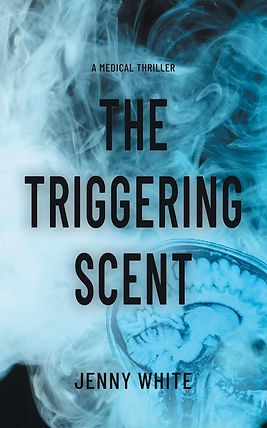
Jenny White is a retired registered nurse and author of medical thrillers that explore the complex realities of healthcare. Her debut novel, "The Triggering Scent," draws from real experiences in ICU and trauma care. Connect with her at www.jennywhite.ca


Comments