



Jenny's Medical Thriller Blog
- jdfw3494
- Nov 5, 2025
- 3 min read

The Dark Side of Modern Healthcare: Real Issues Behind the Fiction
As a retired registered nurse turned medical thriller author, I've witnessed firsthand the systemic issues plaguing our healthcare system. These aren't just plot devices for my novels—they're the harsh realities that inspired them.
The Staffing Crisis: When Lives Hang in the Balance
The nursing shortage isn't just a statistic—it's a life-or-death crisis happening in hospitals right now. I've worked shifts where one nurse was responsible for 12 ICU patients, each requiring constant monitoring. When you're running on fumes after a 16-hour shift, mistakes become inevitable.
The Reality:
Nurses are leaving the profession at unprecedented rates
Burnout leads to medication errors and missed critical signs
Hospitals are using travel nurses at triple the cost, creating instability
Patient safety suffers when staff are stretched beyond human limits
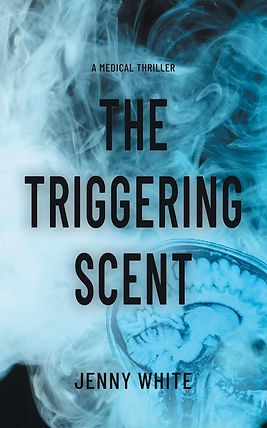
In my upcoming novel "The Triggering Scent," protagonist Abbey Roberts faces this exact scenario—exhausted, overwhelmed, and making the kind of split-second decisions that haunt healthcare workers forever.
Medical Malpractice: The Errors That Never Make Headlines
Every nurse has a story. The surgeon who operated on the wrong kidney. The medication mix-up between similarly named drugs. The ignored symptoms that led to preventable deaths. These aren't isolated incidents—they're systemic failures.
Common Issues I've Witnessed:
Drug calculation errors due to fatigue
Failure to diagnose because of time constraints
Communication breakdowns between departments
Equipment failures with inadequate backup protocols
The most terrifying part? Many errors go unreported, covered up by institutions more concerned with liability than learning.
The Addiction Epidemic Within Healthcare
Healthcare workers have unprecedented access to controlled substances, and the stress of the job creates perfect conditions for addiction. I've seen colleagues steal medications meant for patients, replace morphine with saline, and manipulate drug counts to cover their tracks.
The Hidden Crisis:
Healthcare workers are 5x more likely to abuse prescription drugs
Easy access combined with high stress creates dangerous situations
Patients suffer when their pain medication is diverted
Reporting colleagues feels like betrayal, so problems persist
Technology: Promise vs. Reality
Electronic health records were supposed to improve patient care. Instead, nurses spend more time documenting than providing actual care. The "christmas tree" effect—patients connected to so many machines they look like holiday decorations—creates information overload rather than better outcomes.
Current Challenges:
Systems that don't communicate with each other
Alert fatigue from too many false alarms
Time spent on documentation instead of patient interaction
Technology failures that compromise patient safety
The Business of Healthcare
When hospitals operate like businesses, patient care becomes a profit center. I've watched administrators make decisions based on quarterly earnings rather than patient outcomes. Beds are filled not based on medical need, but on insurance reimbursement rates.
The Bottom Line Impact:
Patients discharged too early to improve turnover
Unnecessary procedures to maximize billing
Staff cuts that compromise safety
Equipment purchases delayed to boost profits
Long-Term Care: Society's Forgotten Crisis
Nursing homes have become warehouses for the elderly, understaffed and under-regulated. The pandemic exposed what healthcare workers already knew—these facilities are often dangerous places where residents suffer neglect, abuse, and preventable deaths.
My second novel "Terror at the Manor" explores this dark world where vulnerable residents become victims of a system that's supposed to protect them.
What Can Be Done?
Real change requires acknowledging these problems exist:
Mandatory staffing ratios to ensure patient safety
Transparent reporting of medical errors and near-misses
Better support systems for healthcare worker mental health
Technology that serves patients, not just administrators
Accountability measures that prioritize care over profits
The Stories That Need Telling
As someone who's lived these realities, I write medical thrillers not just to entertain, but to expose the systemic issues that put patients at risk. Fiction allows us to explore these dark truths in ways that news reports and statistics cannot.
Every medical thriller I write is grounded in real experiences—the exhausted nurse making a critical error, the surgeon whose ego costs lives, the administrator who values profits over patients. These stories matter because they reflect the reality behind closed hospital doors.
The healthcare system is broken in ways that would shock most people. But acknowledging the problems is the first step toward fixing them.
Jenny White is a retired registered nurse and author of medical thrillers. Her debut novel "The Triggering Scent" explores the darker side of healthcare through the eyes of nurse Abbey Roberts. Connect with Jenny at jennywhite.ca for more insights into the real stories behind medical fiction.


Comments